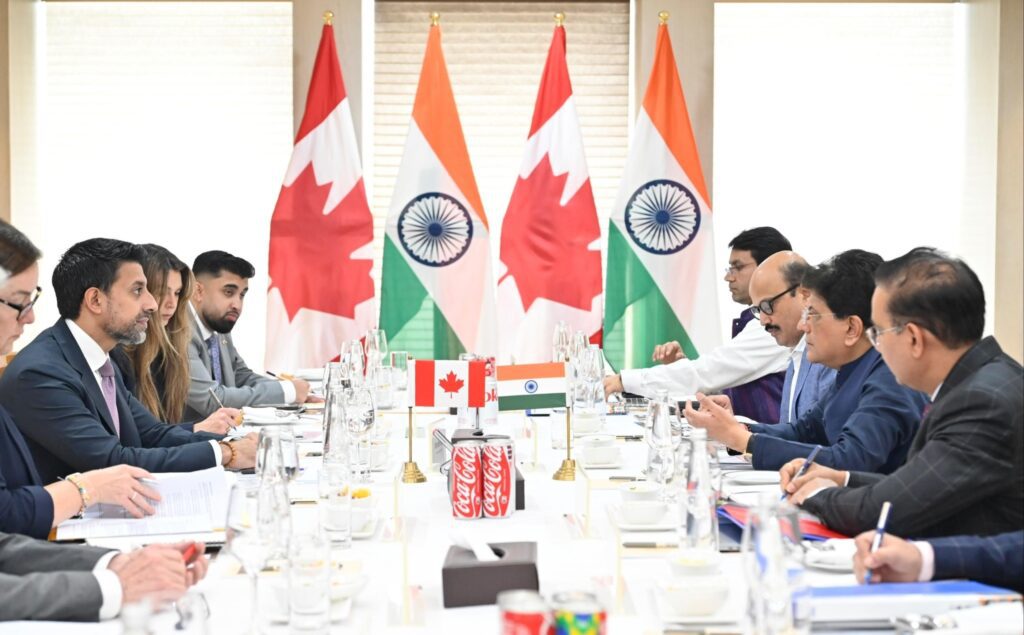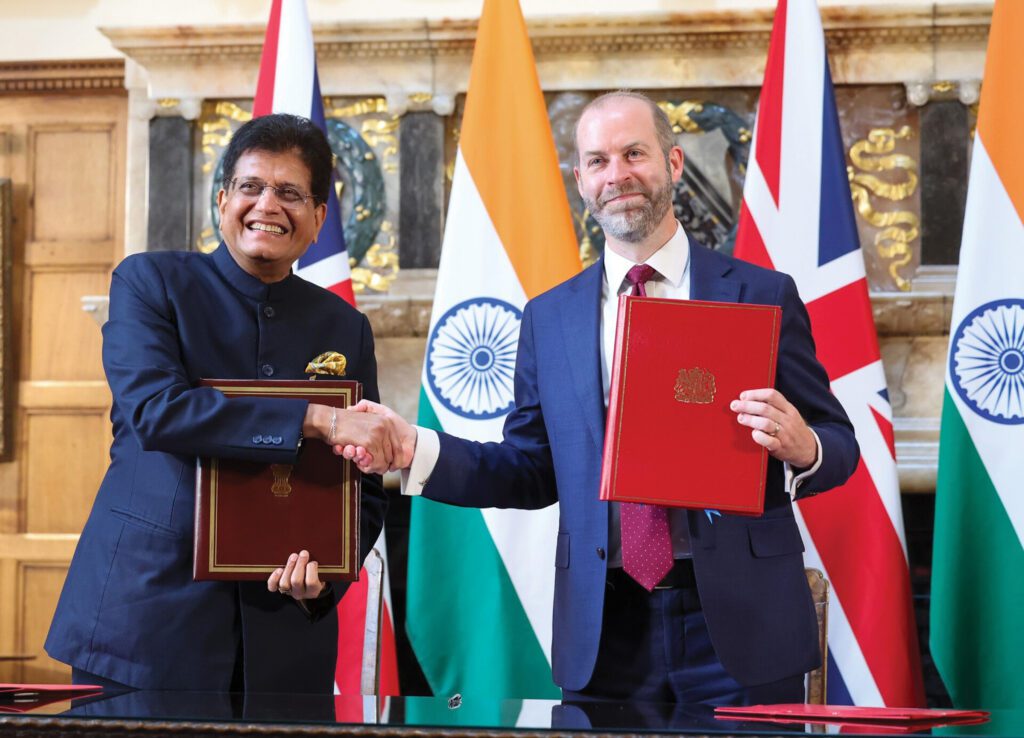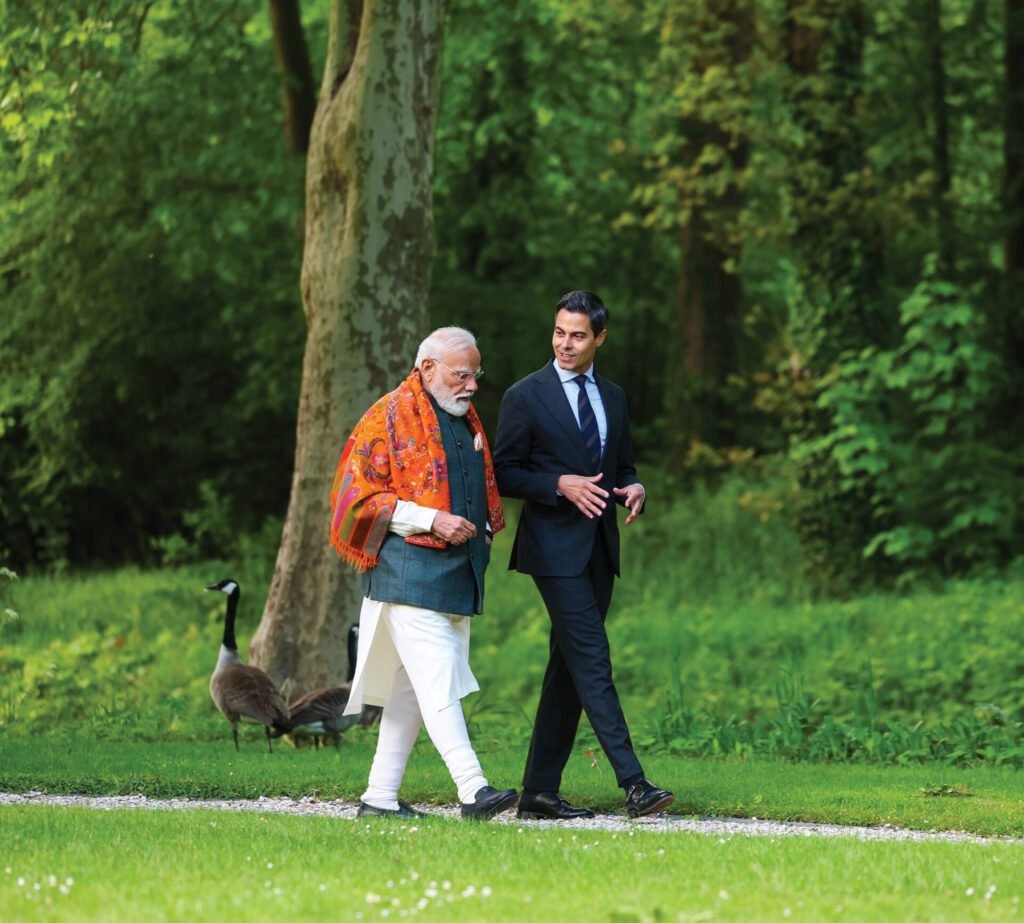
Prime Minister Narendra Modi visited the Netherlands on 16–17 May 2026 during the second leg of his five-nation tour of Europe and the Gulf. During the visit, he held talks with Dutch Prime Minister Rob Jetten and called on King Willem-Alexander and Queen Máxima. The visit marked a major milestone in bilateral relations, with the two countries elevating their ties to a Strategic Partnership for 2026–2030. Beyond the symbolic upgrade, the visit produced a wide-ranging set of outcomes covering semiconductors, critical minerals, clean energy, water management, trade facilitation, education, health, and mobility. Coming at a time when both countries are seeking more resilient supply chains and closer cooperation in emerging technologies, the agreements underscore the growing importance of the Netherlands in India’s engagement with Europe and its ambition to build innovation-led international partnerships.
India–Netherlands Strategic Partnership (2026–2030)
India and the Netherlands formally elevated bilateral ties to a Strategic Partnership and adopted a five-year roadmap covering economic cooperation, technology, defence, innovation, mobility, and sustainable development.
What It Means
- Gives long-term strategic direction to bilateral relations.
- Expands cooperation into emerging technologies and security.
- Creates institutional mechanisms for regular policy dialogue.
- Positions the Netherlands as a key partner in India’s Europe strategy.
Restitution of Chola Copper Plates
The Netherlands returned the 11th-century Chola Copper Plates to India. The inscriptions record a land grant made by Chola rulers to a Buddhist monastery in present-day Tamil Nadu.
What It Means
- Strengthens cultural diplomacy.
- Supports historical and archaeological research.
- Enhances preservation of India’s heritage.
- Sets a positive precedent for the restitution of cultural artefacts.
Mobility and Diaspora Cooperation
The two sides agreed to strengthen mobility arrangements and deepen engagement with the Indian diaspora in the Netherlands.
What It Means
- Easier movement of students and professionals.
- Greater academic and research exchanges.
- Expanded employment opportunities.
- Stronger people-to-people ties.
Tata Electronics–ASML Semiconductor Partnership
Tata Electronics and Dutch semiconductor equipment giant ASML will cooperate in support of India’s semiconductor ambitions, including the Dholera fabrication project.
What It Means
- Supports India’s semiconductor mission.
- Brings advanced technology and expertise.
- Integrates India into global semiconductor supply chains.
- Encourages high-value manufacturing investment.
Critical Minerals Cooperation
The two countries agreed to collaborate on securing supplies of critical minerals essential for clean energy technologies, batteries, and advanced manufacturing.
What It Means
- Strengthens supply-chain resilience.
- Supports electric vehicle production.
- Enhances energy security.
- Reduces dependence on concentrated global sources.
Kalpasar Project Cooperation
The Netherlands will provide technical expertise for Gujarat’s Kalpasar Project, which aims to create a freshwater reservoir across the Gulf of Khambhat.
What It Means
- Improves water security.
- Supports irrigation and agriculture.
- Brings world-class Dutch water-management expertise.
- Contributes to long-term climate resilience.
Green Hydrogen Roadmap
India and the Netherlands adopted a roadmap to expand cooperation in green hydrogen production, investment, technology, and trade.
What It Means
- Supports India’s clean-energy transition.
- Creates opportunities for new investments.
- Encourages technology collaboration.
- Helps build future export markets.
Joint Working Group on Renewable Energy
A new Joint Working Group will coordinate cooperation on green hydrogen, bioenergy, battery storage, circular feedstocks, and renewable technologies.
What It Means
- Creates a formal mechanism for cooperation.
- Encourages industrial partnerships.
- Promotes technology sharing.
- Supports research and innovation.
Capacity Building for Energy Transition
NITI Aayog and Dutch partners renewed cooperation on capacity building for sustainable energy transition.
What It Means
- Strengthens policy coordination.
- Improves technical expertise.
- Supports deployment of clean-energy technologies.
- Enhances long-term energy security.
Customs Mutual Administrative Assistance Agreement
The agreement allows customs authorities in both countries to exchange information and cooperate more closely on trade-related matters.
What It Means
- Reduces delays in trade.
- Improves transparency.
- Strengthens customs enforcement.
- Lowers transaction costs for businesses.
Other Outcomes
Additional agreements covered floriculture development in Tripura, dairy training and animal husbandry cooperation, health collaboration, higher education partnerships, academic exchanges between Nalanda University and the University of Groningen, and archival cooperation between Leiden University Libraries and the Archaeological Survey of India. Collectively, these initiatives seek to strengthen agricultural productivity, public health, research collaboration, cultural preservation, and people-to-people ties between the two countries.