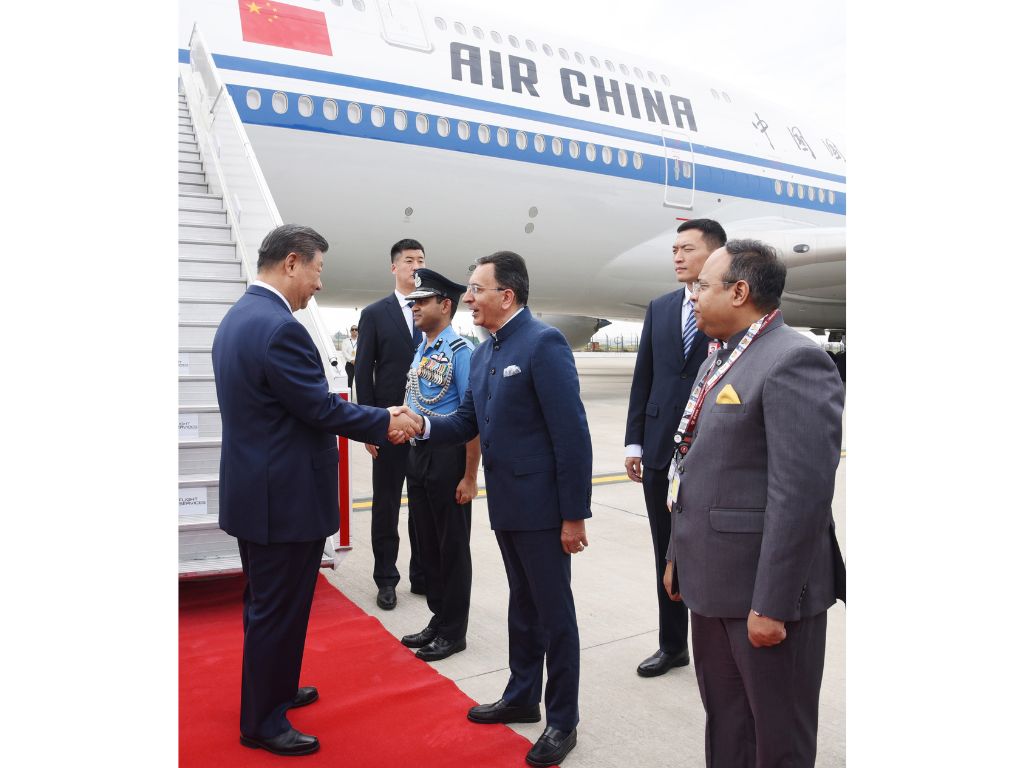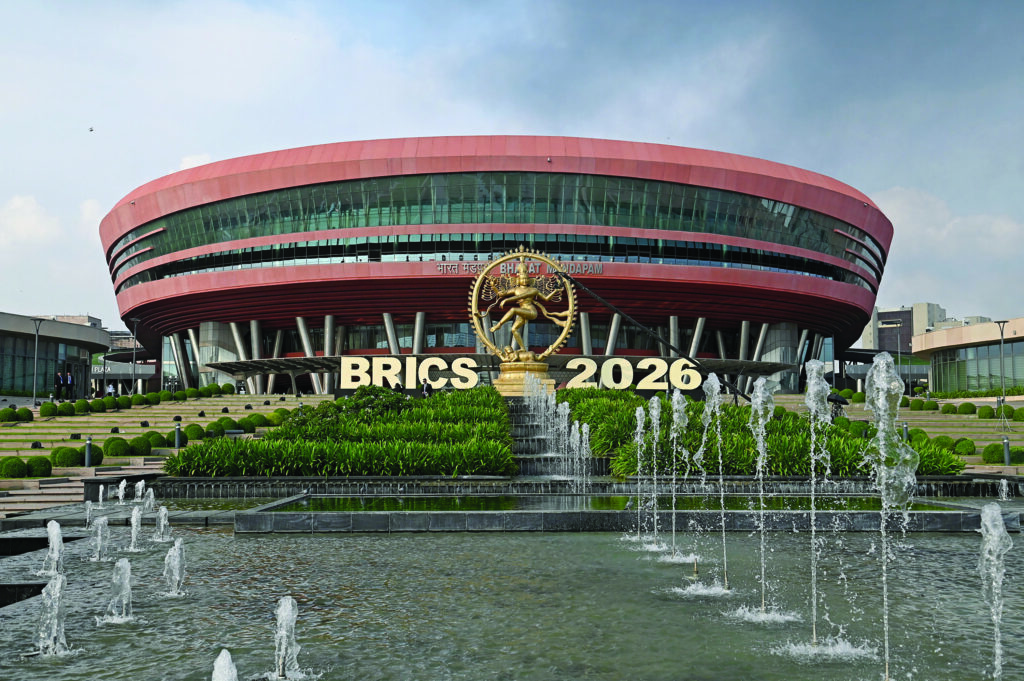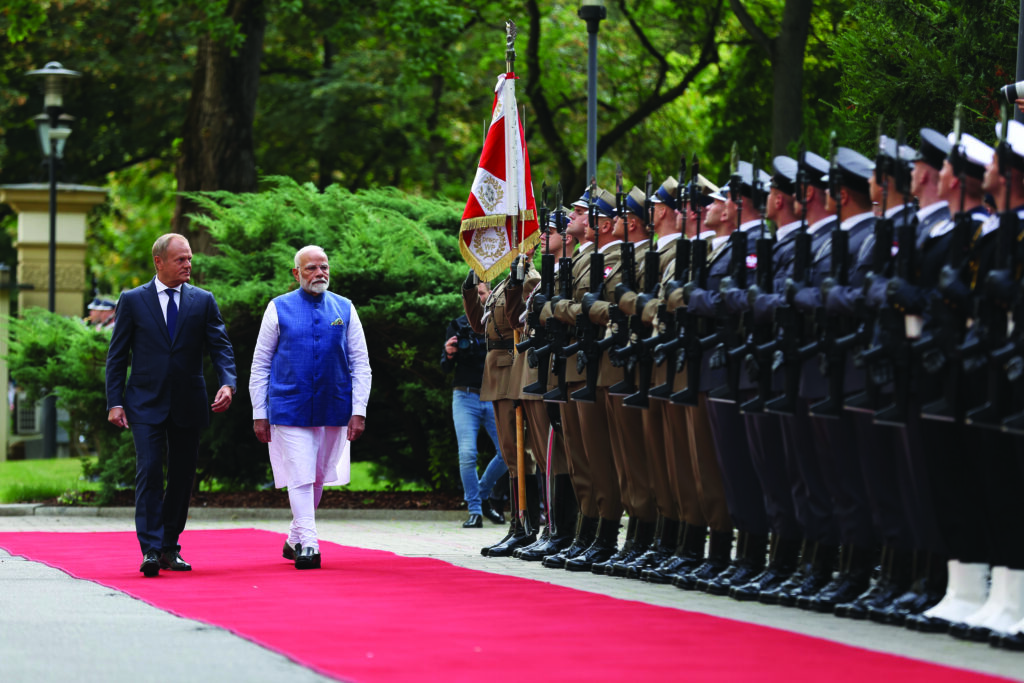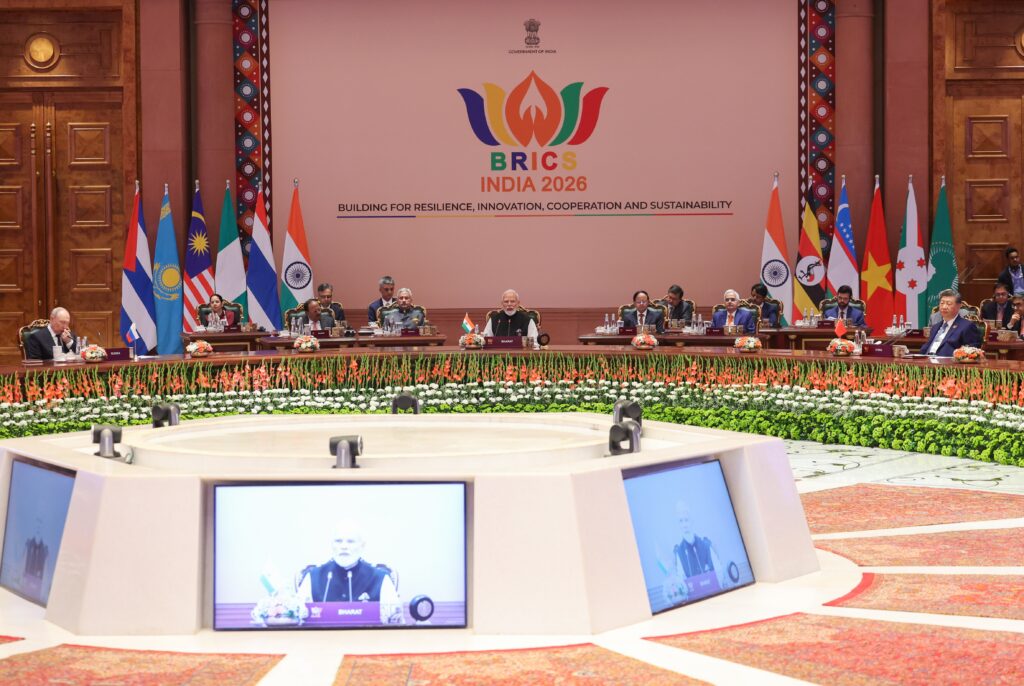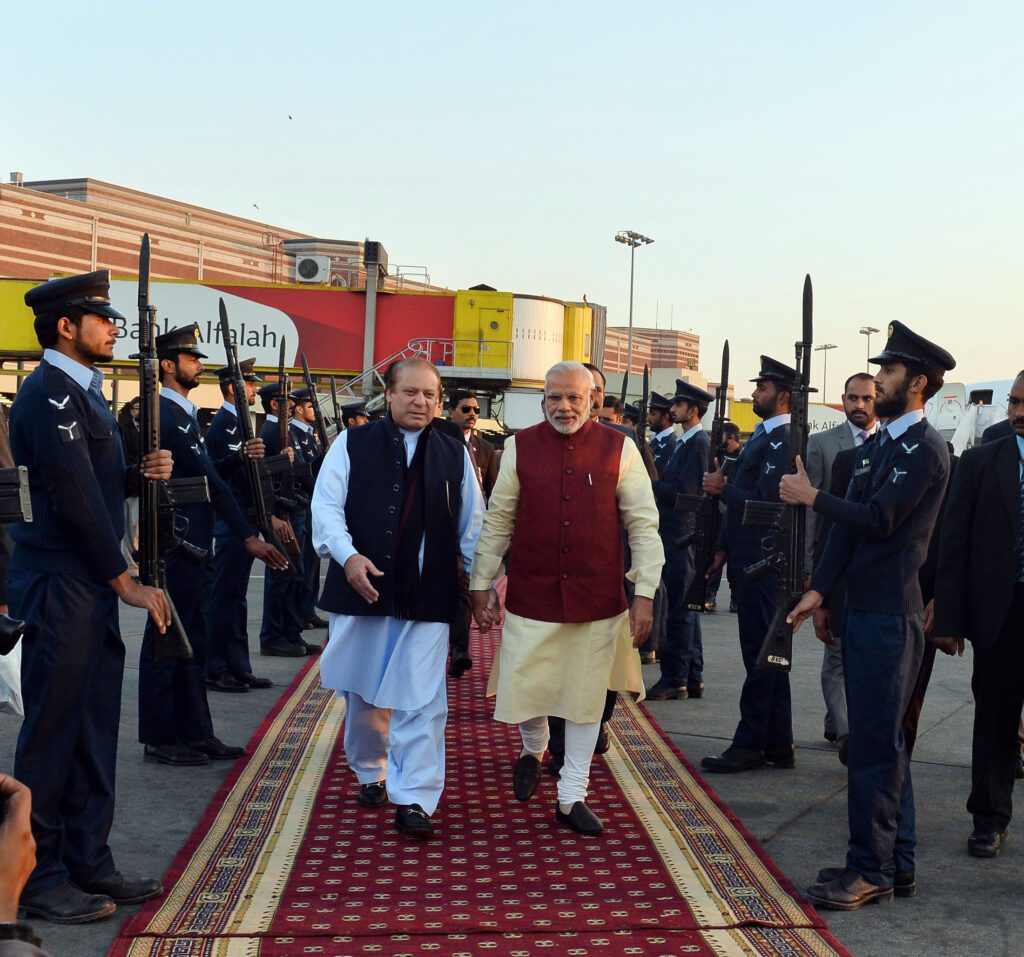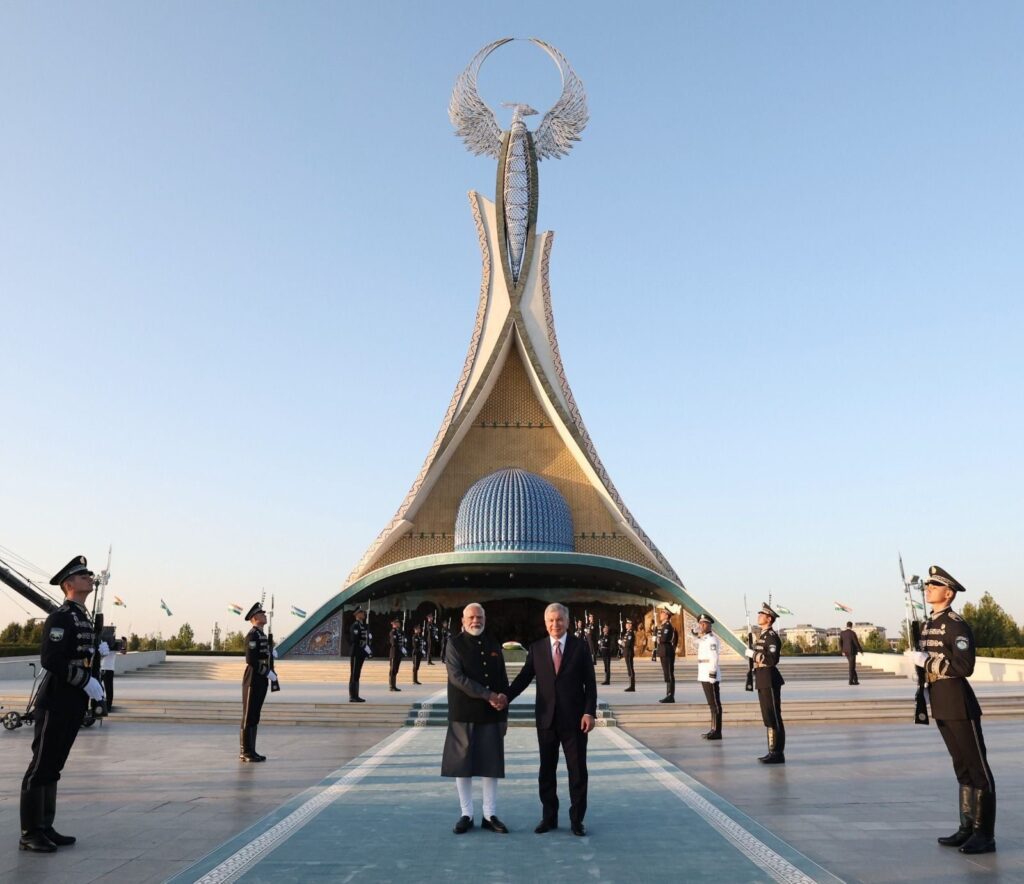
Prime Minister Narendra Modi’s four-day visit to Central Asia, from 29 August to 1 September 2026, had two distinct but connected parts. In Tashkent, he made a State Visit to Uzbekistan, with the focus firmly on the bilateral relationship. In Bishkek, he attended the 26th Shanghai Cooperation Organisation (SCO) Summit, placing India’s engagement with Central Asia within a wider Eurasian setting.
Why Central Asia Matters to India
Prime Minister Narendra Modi’s recent visit to Uzbekistan and the Kyrgyz Republic has once again brought Central Asia into focus in India’s foreign policy. The region matters to New Delhi for both strategic and practical reasons. India has cultivated close political ties with all five Central Asian republics, but geography has always been a problem. Pakistan’s refusal to provide transit access has cut off the most direct land route, leaving India to look towards Iran and routes such as the International North-South Transport Corridor (INSTC) and Chabahar port. These were again highlighted at the fourth India-Central Asia Dialogue in June 2025.
The recent visit also showed why access to the region is about more than geography. Central Asia has important reserves of uranium, energy and critical minerals, all of which are becoming more significant as India seeks to diversify its supply chains. In Tashkent, India and Uzbekistan agreed to deepen cooperation on critical minerals and welcomed progress towards a long-term uranium arrangement. The two sides also discussed transport, digital payments, pharmaceuticals, technology, education and defence.
There is a larger geopolitical calculation behind this engagement. China has built a substantial economic presence in Central Asia, while Russia remains an important security actor. India is unlikely to compete with either in terms of scale. Its approach is more modest: build relationships in areas where Indian capabilities can offer practical value, from pharmaceuticals and digital infrastructure to education, technology and capacity building.
That makes the sequence of the recent visit important. Tashkent was about strengthening what India can build bilaterally; Bishkek was about placing that engagement within the wider Eurasian framework of the SCO. The challenge now is to turn these relationships and agreements into sustained economic and strategic presence.
Tashkent: A Strategic Partnership Upgraded
The clearest bilateral outcome of the visit came in Uzbekistan. India and Uzbekistan agreed to elevate their relationship from a Strategic Partnership to a Comprehensive Strategic Partnership. The new framework covers trade and investment, transport connectivity, digital transformation, energy, critical minerals, healthcare, pharmaceuticals and education. The official Indian outcome document records 11 agreements and arrangements and five major announcements covering culture, Buddhist heritage, minerals, tourism, diplomatic training, higher education, science and environmental cooperation. A Gujarat-Samarkand partnership was also announced.
The two sides set a target of taking bilateral trade beyond $5 billion by 2030 and agreed to strengthen mechanisms for economic cooperation. The target also exposes the central weakness in the relationship: political ties have moved faster than commercial ties. Reaching it will depend on market access, investment, logistics and financial links.
Critical Minerals and Uranium
Resource cooperation is among the more consequential parts of the new partnership. India and Uzbekistan agreed to strengthen cooperation on critical and strategic minerals, including geological exploration, mining, processing and value addition. The two sides welcomed progress towards a long-term uranium supply arrangement. The official record indicates progress towards a long-term arrangement, but does not publicly set out its quantity, duration or commercial terms. It would therefore be premature to call it a fully disclosed uranium supply contract.
Critical minerals may prove even more important over the longer term. India’s demand for minerals used in electronics, advanced manufacturing, clean-energy technologies and defence is growing. Uzbekistan can potentially contribute to these supply chains, but the relationship will have to move beyond simply securing access to deposits. The emphasis on exploration, processing and value addition suggests an interest in connecting Central Asian resources with Indian technological and manufacturing capabilities. This builds on the 2025 India-Central Asia Dialogue’s focus on rare earths and critical minerals. For now, this remains an opportunity rather than an established supply chain.
Connectivity and Digital Payments
Connectivity remains the hardest practical problem in India’s Central Asia strategy. This makes the transport component of the Uzbekistan agreement especially important. The India-Uzbekistan Joint Statement calls for cooperation on multimodal transport and logistics corridors, including efforts to reduce costs and improve freight connectivity. This sits alongside the wider effort to make the INSTC and Chabahar more useful.
India also secured a more immediate form of connectivity in the digital sphere. NPCI International Payments Ltd and Uzbekistan’s National Interbank Processing Centre signed a commercial agreement enabling Indian UPI applications to scan Uzbekistan’s Unified National QR code, UZQR, for merchant payments.
This is not a substitute for a transport corridor. Its significance lies in offering India a form of economic cooperation without requiring it to match China’s infrastructure financing in scale. The governments also identified cooperation in artificial intelligence, space, cybersecurity and clean energy.
Defence, Healthcare and Human Capital
Security cooperation remains an established part of India-Uzbekistan relations. The two sides reaffirmed cooperation against terrorism and violent extremism and agreed to expand defence and security ties, including capacity building and defence industries. Military exchanges and the DUSTLIK exercise remain important.
Healthcare and pharmaceuticals offer another area of complementarity. India announced 100 Lal Bahadur Shastri scholarships for Hindi-language studies and an Indian Council for Cultural Relations Sanskrit Chair at Tashkent State University of Oriental Studies. The two countries also agreed to conserve Buddhist heritage sites, particularly Fayaz Tepa and Kara Tepa in Termez. India announced a $1 million grant for afforestation in the Aral Sea region.
These initiatives show that India’s Central Asian diplomacy is not confined to strategic and commercial interests.
Bishkek: Taking the Strategy to the SCO
The Bishkek leg operated on a different level. The 26th SCO Summit marked the organisation’s 25th anniversary. India used it to promote Security, Connectivity and Opportunity and press for tangible outcomes. Security remained the most politically important element. PM called for a comprehensive approach to terrorism, covering not only attacks but also financing, recruitment, radicalisation and safe havens. The summit produced the Bishkek Declaration and a wider package of decisions and agreements. According to the SCO’s official account, 28 documents were approved, including a protocol amending the SCO Charter. The outcome is significant, but the SCO’s diverse membership means consensus tends to produce broad language.
Terrorism and the India-Pakistan Dimension
The summit declaration reaffirmed opposition to terrorism and rejected double standards. PM stressed the wider ecosystem sustaining terrorism, including financing, recruitment and radicalisation.wider ecosystem sustaining terrorism. Pakistan’s presence gave the issue an obvious bilateral dimension, but it would be too simplistic to call the outcome an Indian diplomatic victory. SCO consensus must accommodate China, Russia, Iran and the Central Asian states. India’s more durable objective is to strengthen counter-terrorism as an institutional concern without making the SCO primarily an India-Pakistan forum.
Connectivity and Sovereignty
Connectivity was the other major Indian priority. India reiterated that connectivity initiatives should respect sovereignty and territorial integrity, consistent with its objection to projects such as the China-Pakistan Economic Corridor. The problem for New Delhi is practical. Rejecting a route does not create another one. India therefore has to work simultaneously through bilateral partnerships, the SCO, Chabahar, the INSTC and multimodal logistics. Central Asian interest in Chabahar gives India a possible route around its geographical disadvantage.
The SCO Beyond Security
The Bishkek summit also underlined that the SCO is more than a security organisation. Its agenda includes energy, climate change, nuclear safety and drug control. For India, less contentious areas such as digital transformation, science and technology, healthcare and energy offer room to build influence. India’s objective is not to reshape the SCO around itself, but to build a useful role within an organisation where China and Russia have greater structural weight.
Russia, Iran and the Wider Eurasian Picture
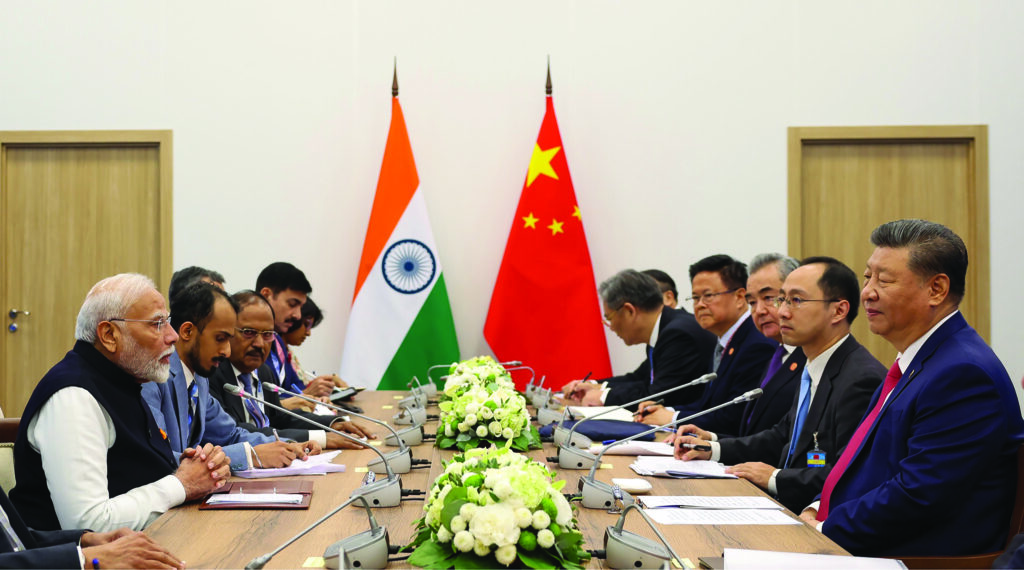
On the sidelines, PM met Russian President Vladimir Putin to discuss political, economic, defence, energy, space and regional issues, reiterating India’s preference for dialogue and diplomacy.met Russian President Vladimir Putin. Iran is equally relevant, even though it was not the focus of the Uzbekistan leg. For India’s Central Asia strategy, Iran is important because Chabahar offers the principal potential gateway from the Indian Ocean to the region. India’s Central Asia policy therefore cannot be separated from developments in Iran, Afghanistan, Russia, China and Pakistan, all of which affect access to markets and resources.
What Comes Next?
The significance of the Tashkent-Bishkek visit will ultimately depend on implementation.
The Uzbekistan relationship now has a broader institutional framework, a trade target of more than $5 billion by 2030, a critical-minerals agenda, progress towards a long-term uranium arrangement, digital-payment cooperation and new initiatives in transport, healthcare, education and culture. The $5 billion target should therefore be treated as a benchmark, not an achievement. Its value will depend on whether trade, investment, logistics and financial connectivity improve.
India has built diplomatic goodwill, but goodwill is not influence. China’s economic presence is much larger, Russia remains a major security actor, and Central Asian states pursue multi-vector foreign policies. India does not need to displace China or Russia to make its Central Asia strategy worthwhile. It needs to become a partner that the region finds useful, reliable and increasingly difficult to ignore.
The Tashkent-Bishkek sequence is therefore significant. Tashkent supplied the bilateral substance; Bishkek, the multilateral setting. Uzbekistan offers a test of deeper Indian economic engagement, while the SCO places India alongside China, Russia, Iran, Pakistan and the Central Asian states. After more than a decade of sustained outreach, India clearly has a Central Asia policy. The question is whether India can turn diplomatic presence into durable economic and strategic stakes in a region increasingly important to Eurasia.
Note: This explainer has been researched, edited, and fact-checked by India’s World staff and prepared with AI assistance.