The history of international relations is as much a story of merchants, corporations, and capital as it is of states, diplomats, and armies. Yet there is little agreement on how business and state power interact in world politics. How do the major theories of international relations make sense of this relationship?
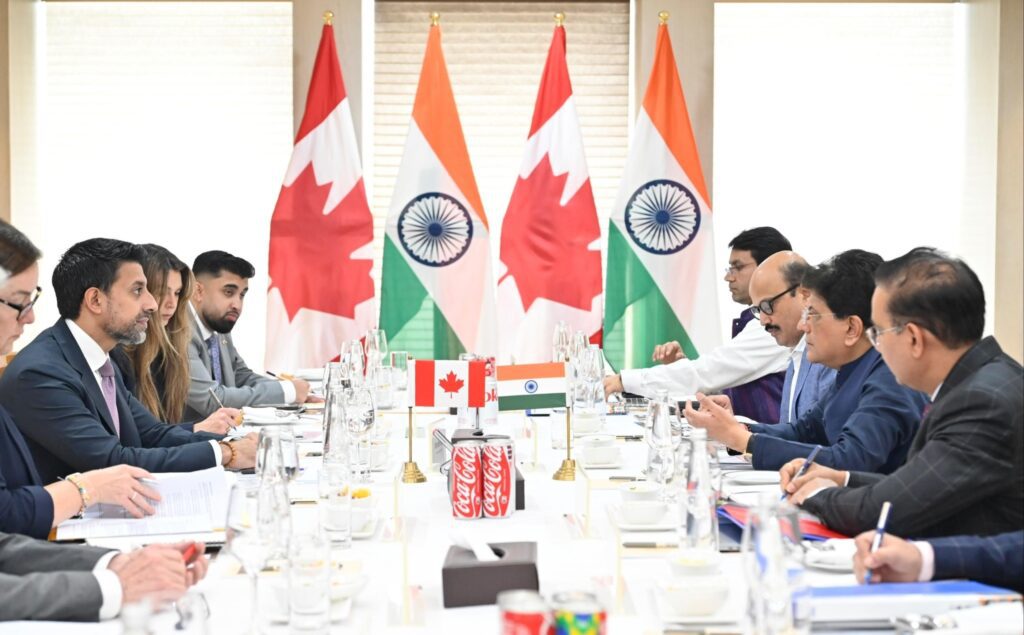
In 2022, the G7 put a price cap on Russian oil after Moscow invaded Ukraine. Europe also began reducing its direct import of Russian oil. India stepped in. It purchased Russian oil at discounted rates. Its state-owned and private firms refined Russian crude and sold energy products to Europe and other buyers on the global market.
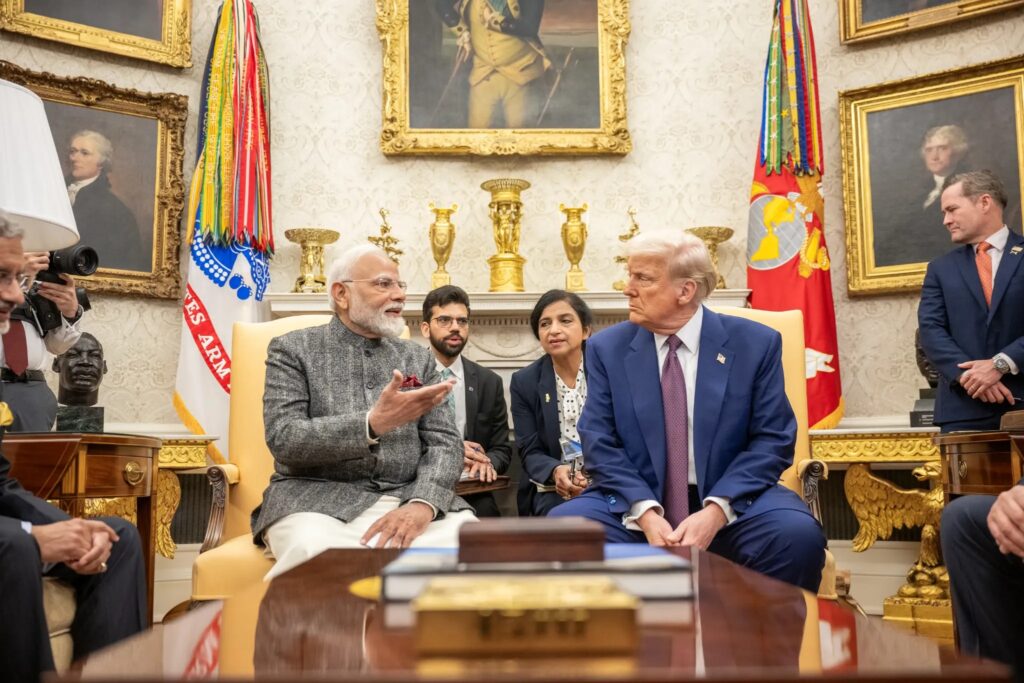
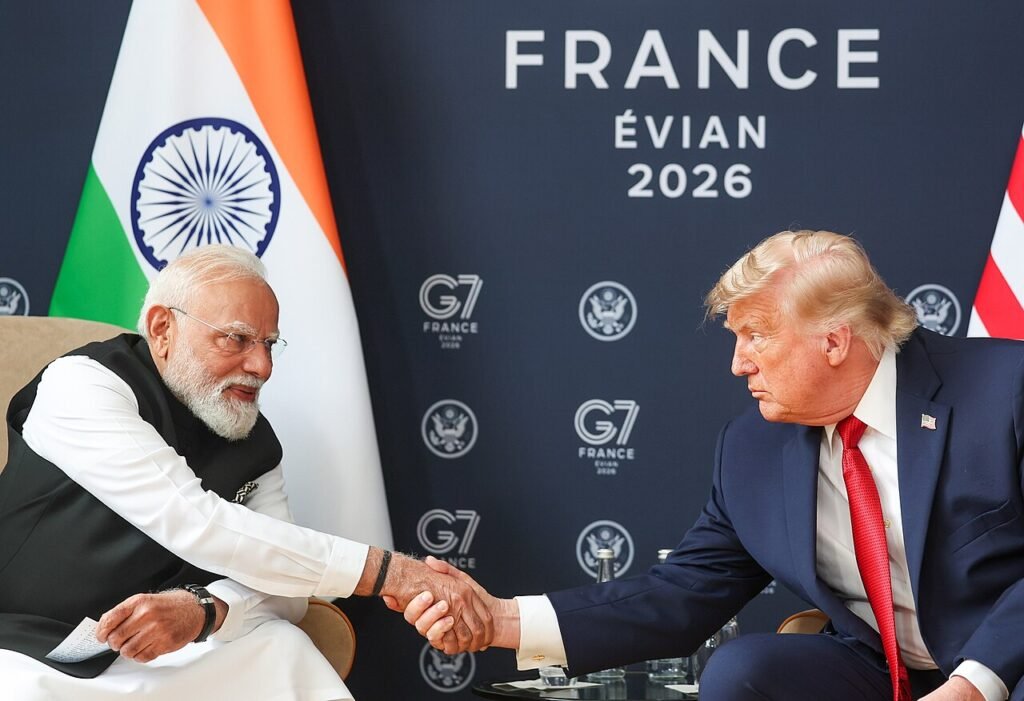
The arrangement worked until Europe sanctioned Nayara (in 2025, for its half-ownership by Russia’s Rosneft) and the United States President Donald Trump put pressure on India to stop importing Russian oil. During its best days, the arrangement had created a hybrid transnational order in which Russia continued to export its crude into the global energy market, India saved on its fuel imports, Europe’s energy pressure was relieved, and the Western sanctions regime on Russian oil worked. What made this possible was cooperation between Indian and Russian private and state-owned businesses collaborating with their two governments.