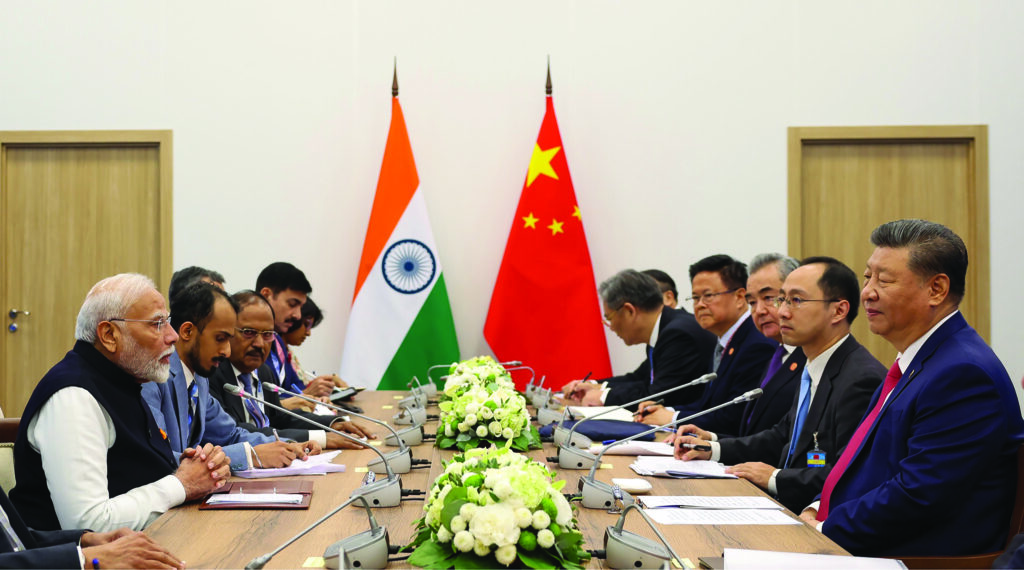
Can two superpowers govern the world together? For years, American strategists have debated the possibility. China, however, remains sceptical. Its rejection of the G2 concept has evolved into a sophisticated diplomatic doctrine that may prove as consequential as the idea itself.
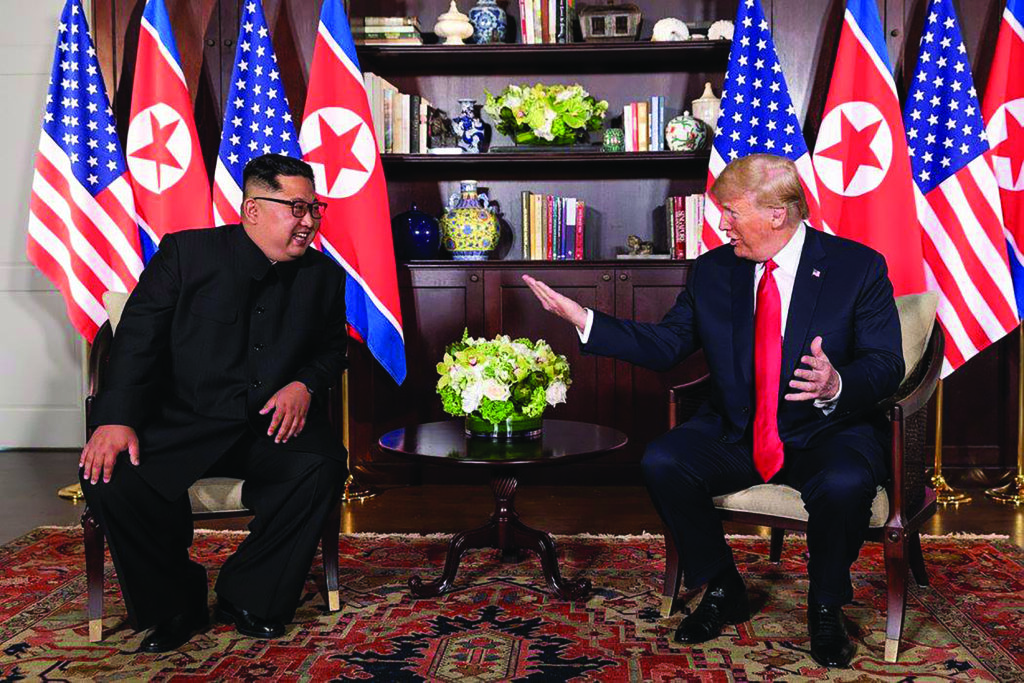
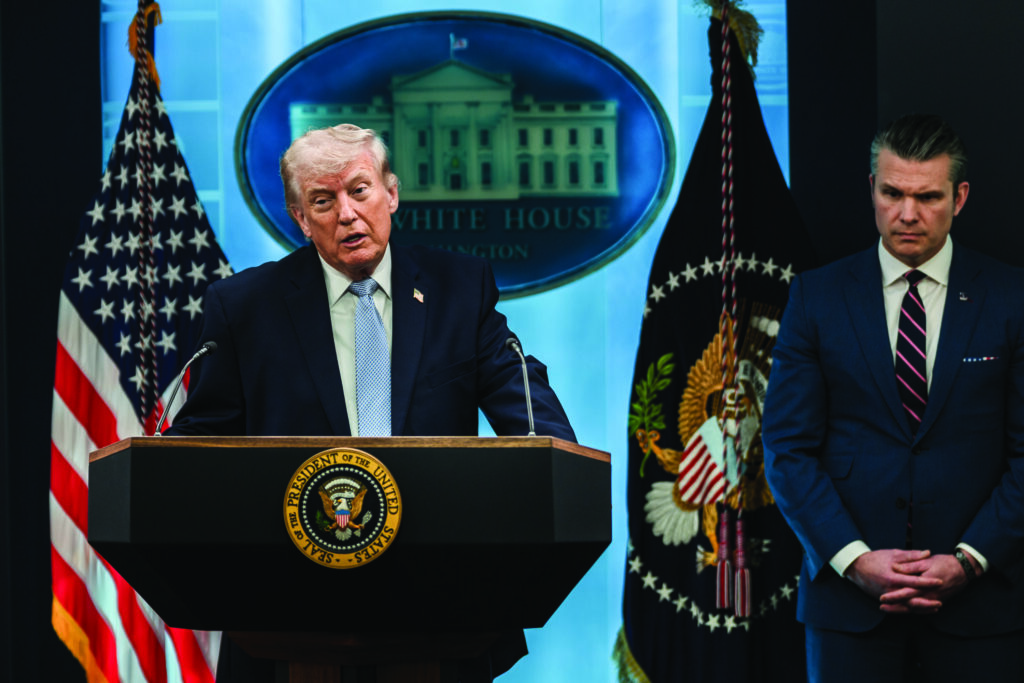
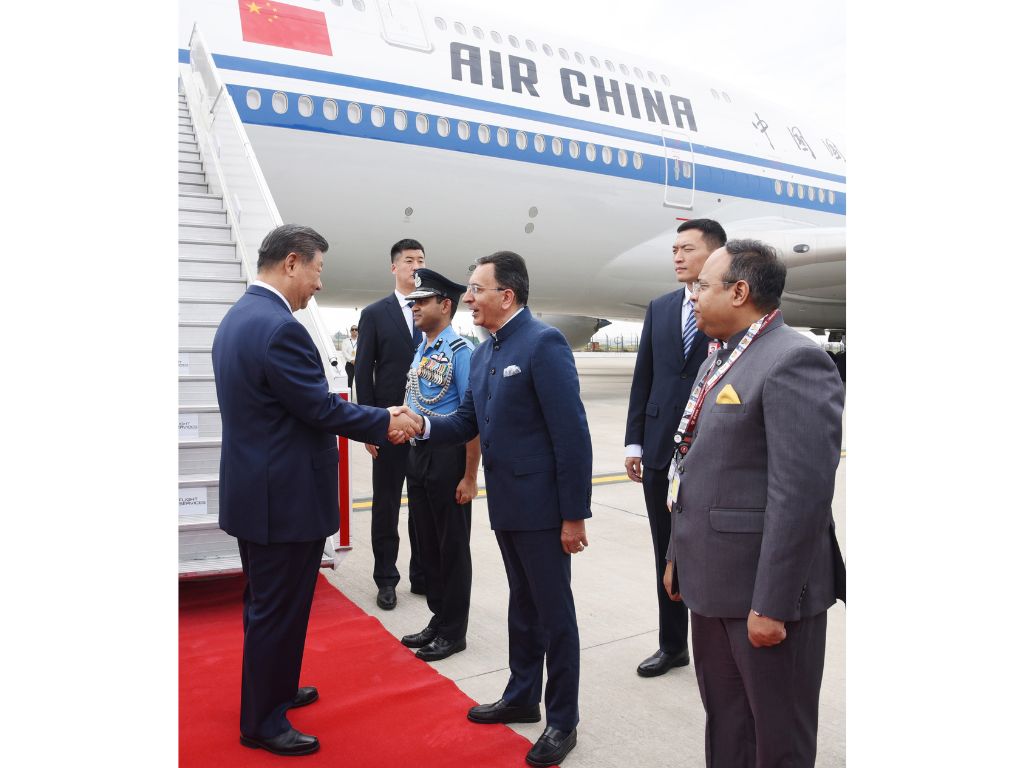
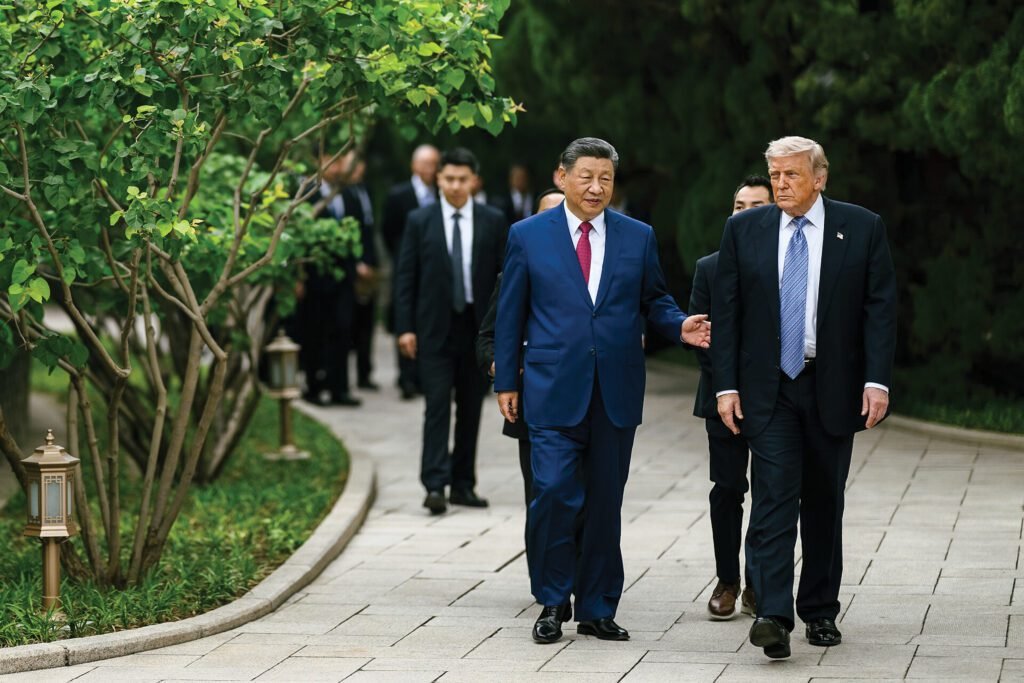
Since 2025, President Trump has made clear his interest in a G2 world, as US–China relations shifted from rapid tit-for-tat escalation to managed, sector-specific negotiations. He hailed his meeting with Chinese President Xi in Busan as a “G2” summit in October 2025 and, following his state visit to China in May 2026, again alluded to a bilateral G2 framework.
These developments have inevitably sparked major international concerns about the G2 hypothesis—the idea that the United States and China might jointly manage global affairs through great-power coordination. With clear intent from the Trump administration, the concern is more on how China would react to such an initiative. However, China has only demonstrated a steady and categorical rejection, with a pragmatic posture for its own multilateralism pursuit. A deeper look into nearly two decades of navigating G2 discourse with the United States can further help to understand its fundamental calculus regarding the future of global governance.