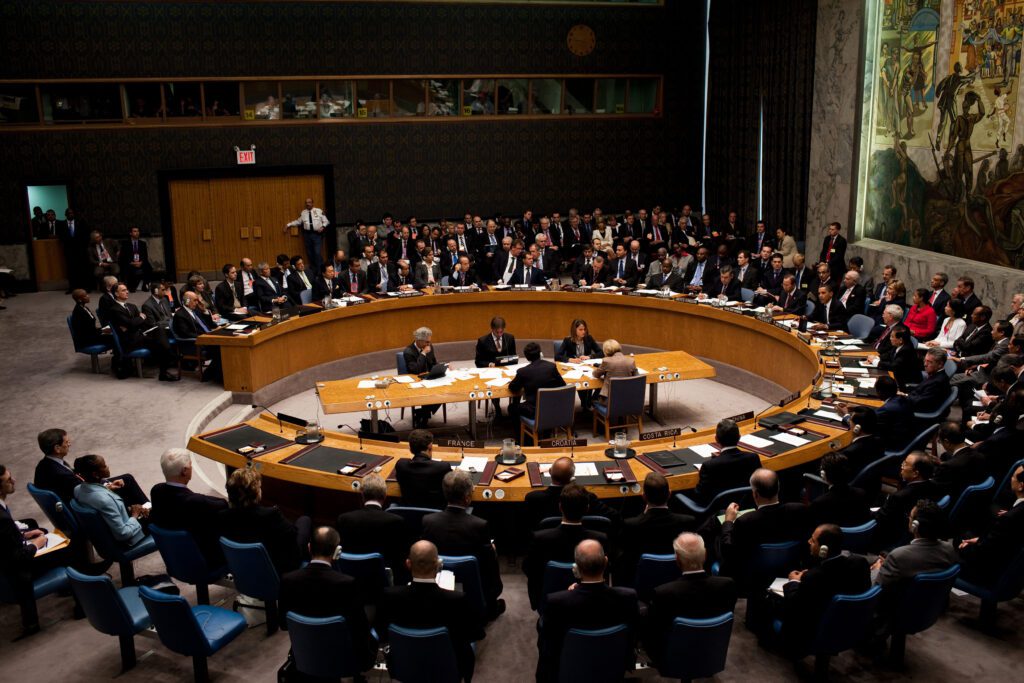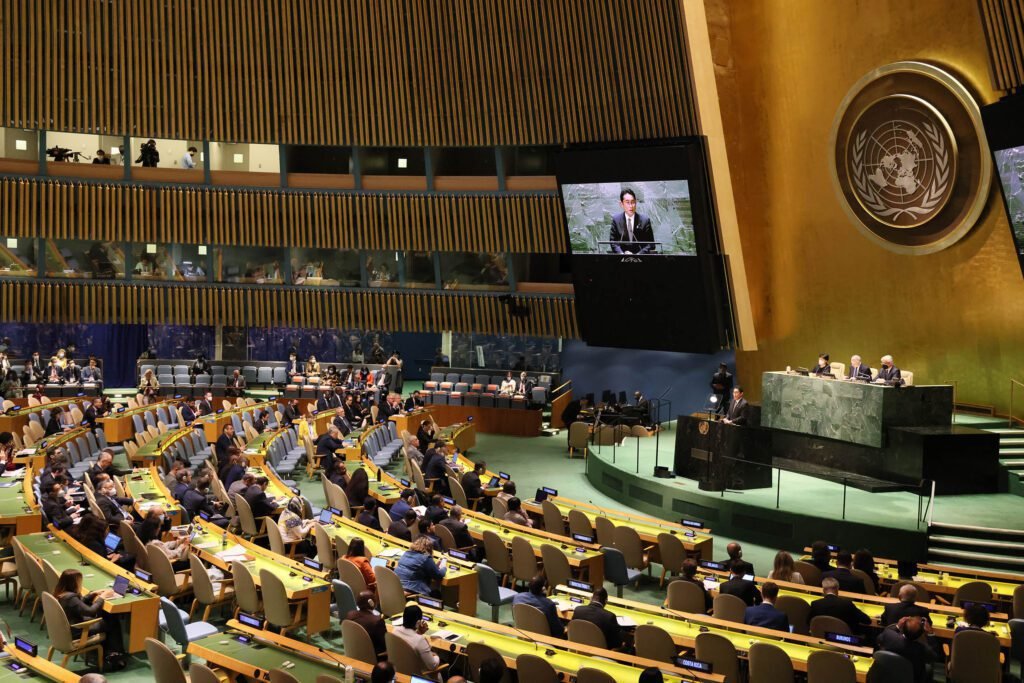
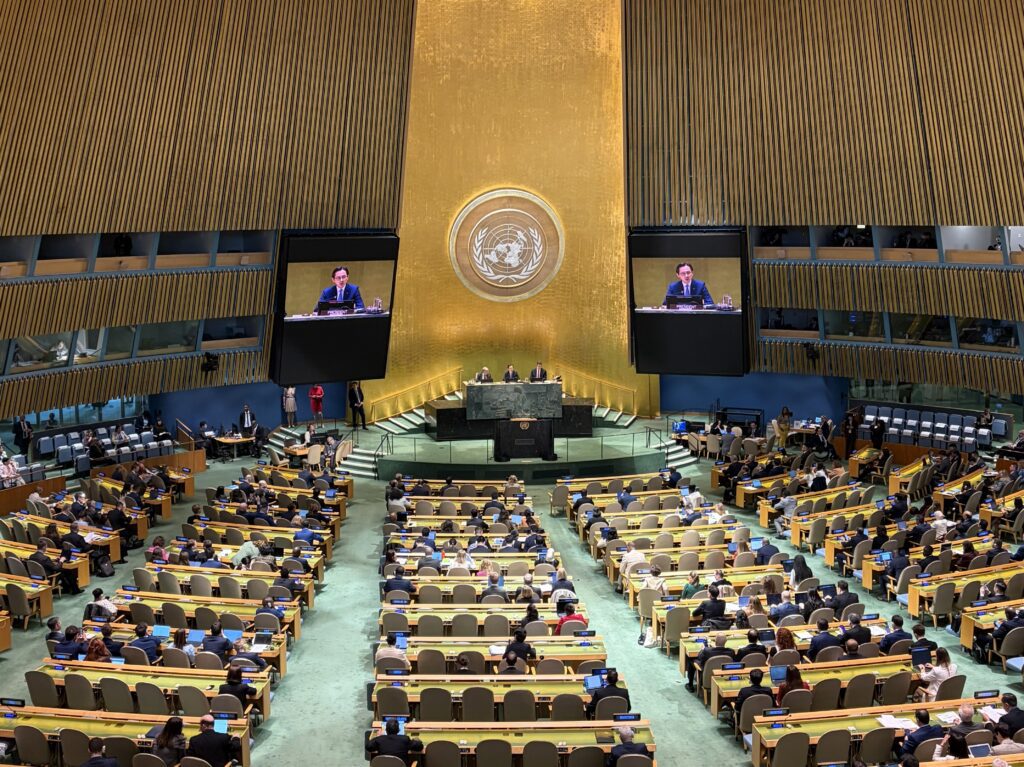
The 2026 Review Conference of the Parties to the Treaty on the Non-Proliferation of Nuclear Weapons (NPT) concluded on 22 May in New York without an agreed substantive outcome document. Often seen as a barometer for the health of the NPT, this marked the first time in the five-decade history of the treaty’s review process that three consecutive such conferences have failed to reach an agreement. While consensus ultimately broke down over a regional issue – namely Iran, and references to its non-compliance with its non-proliferation obligations – there were several highly contentious issues that States Parties strongly disagreed over with each other.
Although it could be argued that the success of a Review Conference need not depend on a final document, and that its absence is therefore more symbolically than substantively unfortunate, a pattern of three consecutive “failures” goes beyond mere process to signal significant pressure on the NPT itself. A second consecutive Review Conference ending without an agreement in 2022 was already unprecedented. What, then, can be said of the third, that marks 16 years since the last consensus document, and 21 years by the time States Parties meet again for the next Review Conference in 2031?