China’s rapidly expanding nuclear arsenal tells only part of the story. The deeper shift lies in Beijing’s evolving deterrence strategy, which is steadily reshaping the Indo-Pacific’s strategic landscape and raising difficult questions for India.
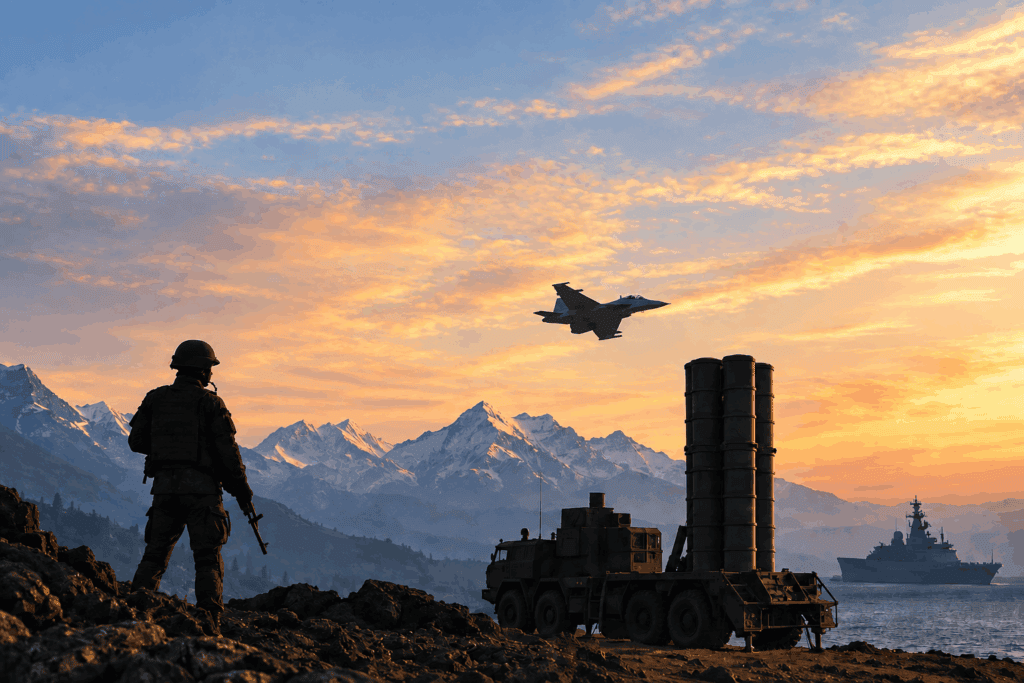
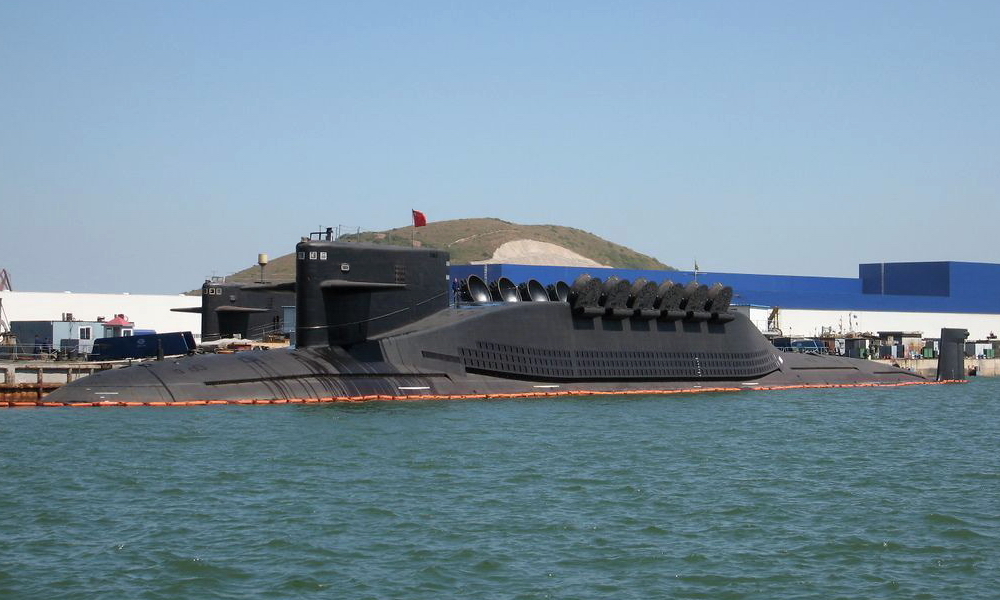
After remaining roughly stagnant around 200–250 for almost four decades, China’s nuclear warhead numbers are believed to have undergone a meteoric rise in recent years. Assessments by the US Department of Defense, the Nuclear Notebook of the Bulletin of Atomic Scientists and the annual SIPRI report more or less agree that the figures have steadily risen from 320 in 2020, to 350 in 2021, to 500 in 2024, 600 in 2025 and 620 in 2026. The year-on-year increase in warhead numbers makes it the world’s fastest-growing arsenal. But accretion in numbers is only one part of China’s new nuclear story. Of even greater significance are progressive improvements in its nuclear delivery platforms with the development and deployment of road-mobile missiles, solid-fuelled ICBM silos, nuclear-capable aircraft with air-launched ballistic missiles, and the second-generation Jin class SSBNs with long-range, accurate SLBMs.