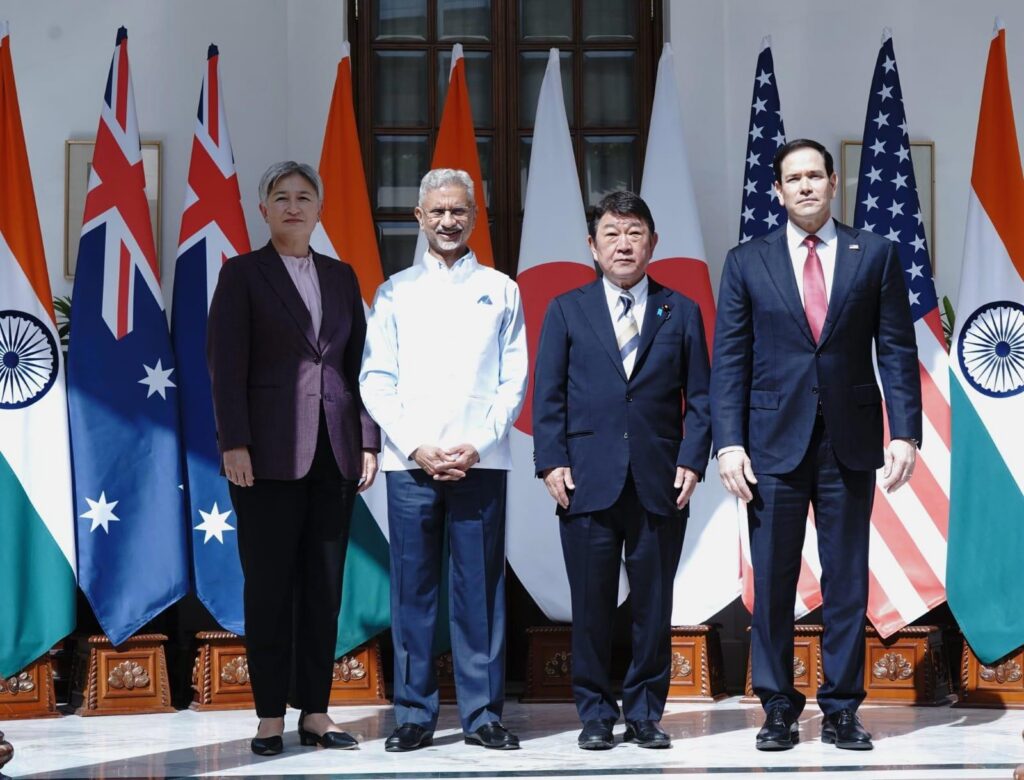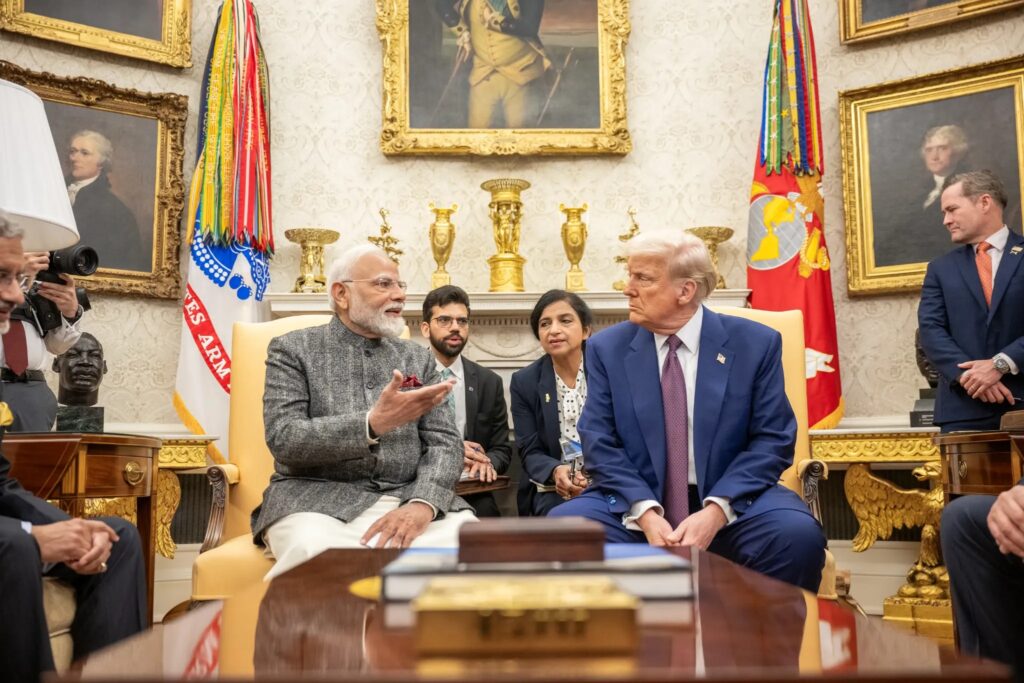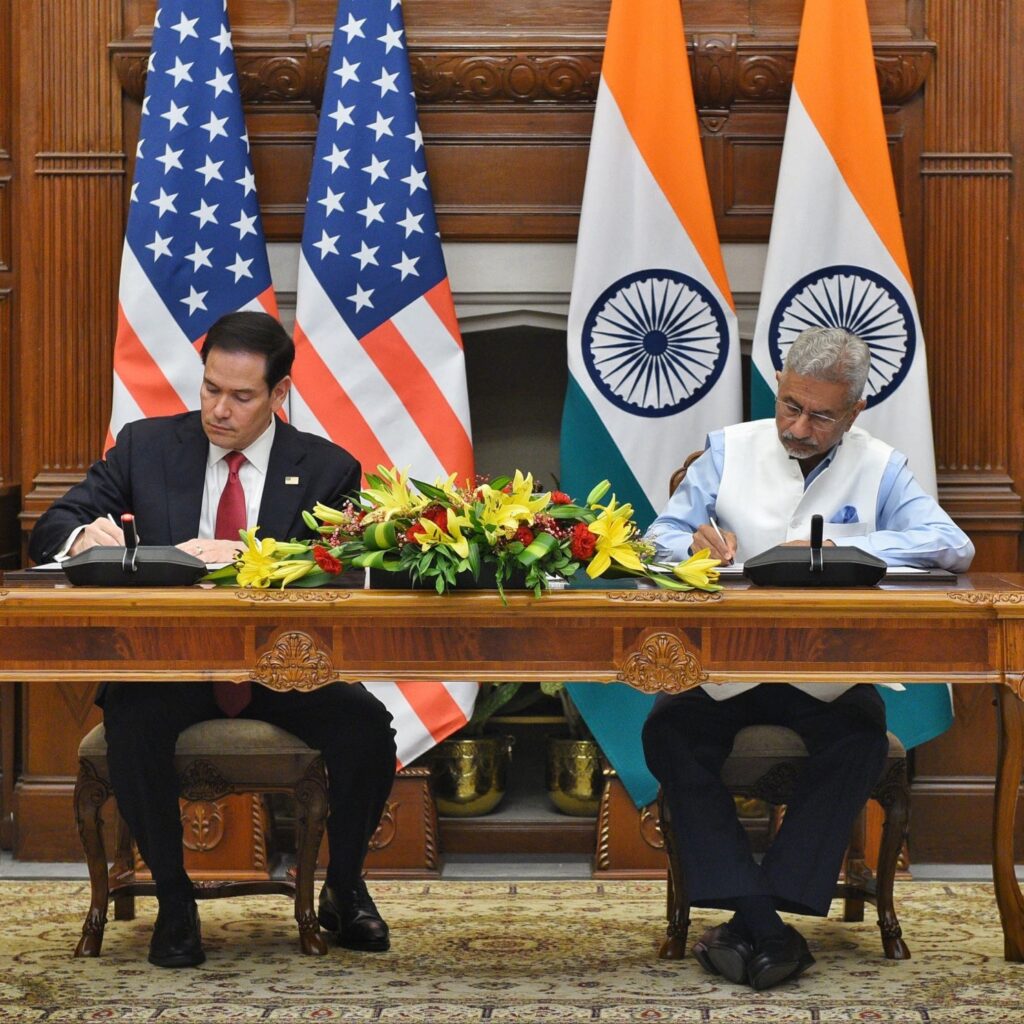

In his discussion document, “Trump 2.0’s Indian Subcontinent Strategy”, Abhishek Kadiyala, research analyst at the Takshashila Institution, examines the second Trump administration’s approach to the Indian subcontinent. Unlike the first Trump administration, which announced a formal South Asia Strategy in 2017, the current administration has not articulated a comparable regional strategy. Drawing on official statements, congressional hearings, national security documents, legislation, and budget allocations, Kadiyala identifies six American interests in the region: preventing a hostile power from dominating it; safeguarding Indian Ocean sea lanes; strengthening the strategic capacity of regional partners; expanding defence, trade, and technology ties with India; keeping the region from becoming a strategic priority for Washington amid competing global commitments; and winning the economic competition with China while avoiding military confrontation. The report finds considerable continuity in security engagement since the Biden administration, but greater divergence in economic and humanitarian policy. Its central argument is that India remains the anchor of American strategy, even as the administration’s approach increasingly strains the relationship.
Counter-terrorism has gradually declined as an American priority in the region, especially since the US withdrawal from Afghanistan in 2021. Intelligence-sharing, military exercises, and cooperation against the financing of designated terrorist organisations continue, but dedicated counter-terrorism programmes and military assistance have been reduced or phased out. This shift has become more consequential since 2025, when Bangladesh experienced a surge in Islamist radicalism, while India, Afghanistan, and Pakistan faced large-scale terror attacks. The administration has nevertheless continued to prioritise state-to-state competition over Islamist terrorism. The 2025 National Security Strategy did not explicitly identify Islamist terrorism as a core national security challenge. Kadiyala points to the gap between this approach and regional concerns, notably after the Pahalgam attack in 2025. India expected greater American support, but US-Pakistan ties appeared to improve soon afterwards, particularly at the leadership level. Kadiyala argues that American cooperation continues through Congress, the military, and bureaucratic institutions, but is politically unreliable in times of crisis, a limitation that also applied under the previous administration.
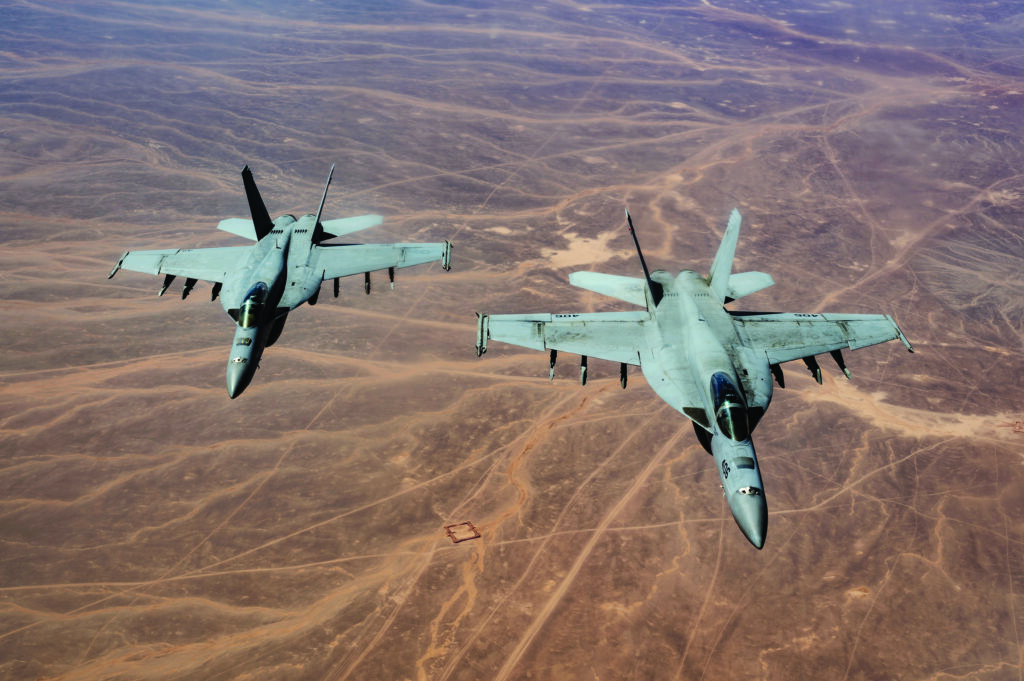
Maritime security has moved ahead of counter-terrorism to become the principal priority of American security engagement in the region. Growing Chinese maritime activity in the Western Indian Ocean, including research and surveillance operations, has added to Washington’s concerns. The conflict in West Asia and the closure of the Strait of Hormuz have further demonstrated the vulnerability of international shipping routes. Kadiyala notes that Indian Ocean sea lanes account for nearly 46% of global trade by volume and pass through three critical chokepoints. Yet American military capabilities in the region remain limited, partly because of competing commitments in the Western Pacific and elsewhere. Washington consequently expects regional partners, particularly India, to assume a greater role in maritime security. This expectation does not always align with India’s priorities, given its volatile northern land boundary and the need to balance maritime commitments against the demands of growth.
Defence manufacturing presents a more closely aligned area of cooperation. The wars in Ukraine and West Asia have exposed limitations in the American defence industrial base, prompting Washington to seek greater production partnerships with allies and regional partners. The 2026 National Defense Authorization Act directs the establishment of an Indo-Pacific Industrial Resilience initiative to develop a collective defence industrial base. India is identified as a potential partner, while Bangladesh, Nepal, and Sri Lanka find no mention in the legislation. Kadiyala examines several US-India arrangements announced during 2025–26, including cooperation between Anduril and Mahindra on autonomous underwater vehicles, L3Harris and Kalyani Strategic Systems on communications and surveillance technologies, and GE Aerospace and Hindustan Aeronautics Limited (HAL) on F414 engine co-production. The arrangements are at different stages. In the GE-HAL case, which Kadiyala lists as finalised, agreement on technical matters had been reached by April 2026, but commercial negotiations and the formal contract remained outstanding at that point. Kadiyala nevertheless identifies American reluctance over technology transfer as a continuing obstacle to deeper cooperation.
Economic engagement has been the most contentious dimension of Trump 2.0’s regional policy. US goods trade with the subcontinent increased from $150.3 billion in 2024 to $173.3 billion in 2025, but the tariffs announced in April 2025 generated considerable uncertainty. Pakistan secured a reduction from 29% to 19% in exchange for joint exploration of potential oil reserves, alongside a separate critical minerals memorandum of understanding. Kadiyala describes these arrangements as weakly institutionalised, with the renewed relationship resting considerably on personal ties between Trump and Pakistan’s military leadership. Bangladesh also negotiated a reduction from 37% to 19%, with exemptions for its garment industry, although the agreement requires the use of American cotton and fabric. Sri Lanka, which faced a 44% tariff, did not pursue an immediate agreement, but the report presents it as a model for the administration’s trade goals: its soybean imports from the US rose by 30% in 2024 and by a further 66% in 2025. India initially faced a 26% tariff, which rose to nearly 50% following an additional levy linked to its purchases of Russian oil. A February 2026 framework set the rate on most Indian goods at 18%. On 15 October 2026, Commerce and Industry Minister Piyush Goyal said the first phase of the bilateral trade agreement had been finalised and was undergoing legal drafting, with signing still pending. Cooperation has continued through the US-India COMPACT (Catalyzing Opportunities for Military Partnership, Accelerated Commerce & Technology) initiative, launched in February 2025, and initiatives in nuclear energy. Kadiyala also discusses the Lindsey O. Graham Sanctioning Russia and Iran Act of 2026, signed into law on 18 September 2026. The Act gives the US administration authority to impose further measures, including duties on goods from major importers of Russian-origin energy. Kadiyala argues that the legislation exposes the growing divergence between the two countries’ trade interests. On 16 October, however, President Trump issued an executive order waiving the application of the Act’s Russia-related sanctions, restrictions, and duties until further notice.
The reduction of American foreign assistance has considerably changed the humanitarian dimension of US engagement. According to Kadiyala, the administration reduced the operational strength of the United States Agency for International Development (USAID) by 94% and its spending by 50%. Nearly 83% of its programmes were cancelled, with more than 90% of contracts terminated. Bangladesh and Nepal were among the most severely affected countries. In Bangladesh, the aid cuts affected at least 600,000 people, especially through the abrupt end of reproductive health and tuberculosis programmes. The report also discusses the impact on Rohingya refugees, while noting that the State Department continued assistance to refugee camps. Nepal experienced an almost complete withdrawal of American assistance from its healthcare and development sectors. Afghanistan and Pakistan also faced worsening food shortages and declining access to healthcare and support for women’s rights. The administration has redirected assistance towards infrastructure, security, and commercial projects. India has benefited from this change through its inclusion as a core partner in the $850 million America First Opportunity Fund and the resumption of the $500 million Millennium Challenge Corporation programme in Nepal, which supports infrastructure projects within Nepal and between Nepal and India.
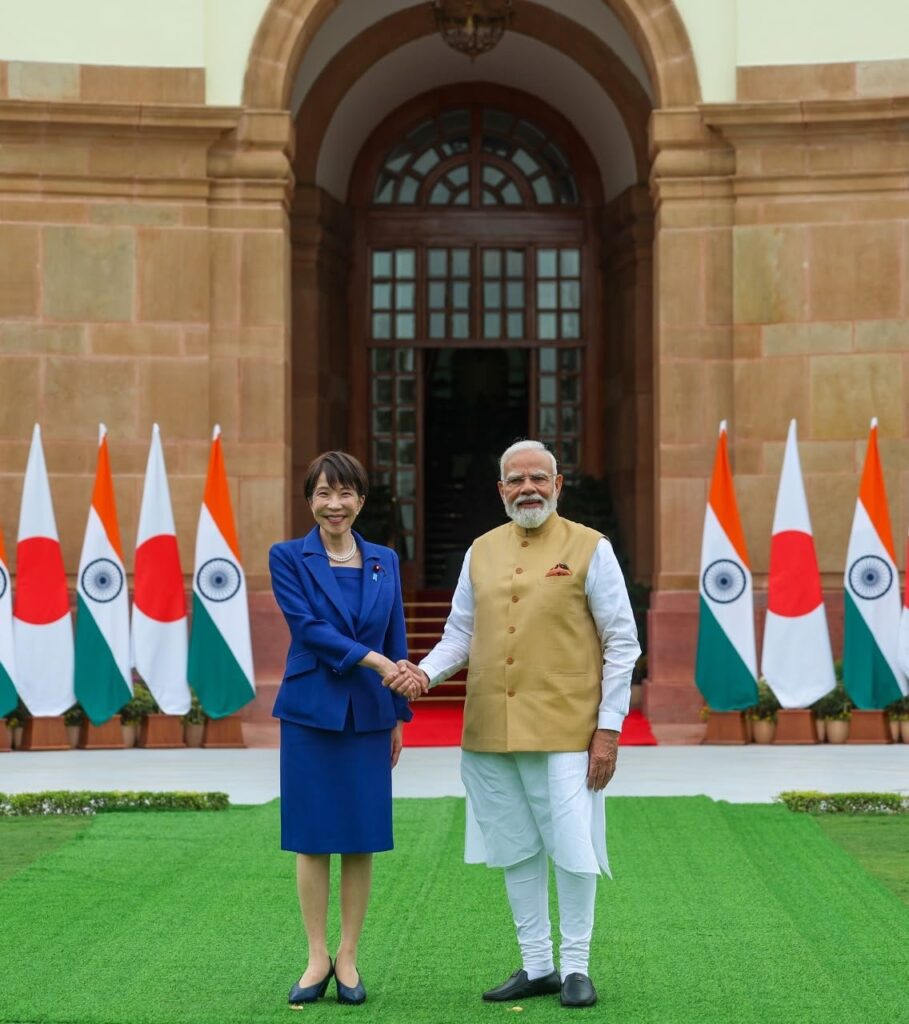
In the final section, Kadiyala returns to India’s position in American regional strategy. India’s geographical location, military capabilities, economic weight, and interest in countering China make it difficult for Washington to pursue its regional objectives without New Delhi. Yet American engagement with Pakistan and smaller regional countries has caused unease in India. The tariff dispute, changes to the H-1B visa system, deportations, and Trump’s response to Operation Sindoor have further damaged confidence in the relationship. Kadiyala cites a decline in American favourability in India from nearly 60% in 2019 to 45% in 2026. New Delhi has responded in part to the uncertainty by maintaining its political and economic engagement with Russia, expanding ties with China, and remaining active in BRICS and the Shanghai Cooperation Organisation. He identifies a clear distinction in the American approach: while engagement with smaller regional states remains conditional and transactional, Washington’s relationship with India continues to be structural and expanding. Nevertheless, he cautions that the political and economic costs of maintaining this partnership are becoming increasingly difficult for New Delhi to justify. As Kadiyala writes in his conclusion, “For India, its ties with the US are important, but the domestic political and economic costs of these ties are increasingly outweighing its benefits”.