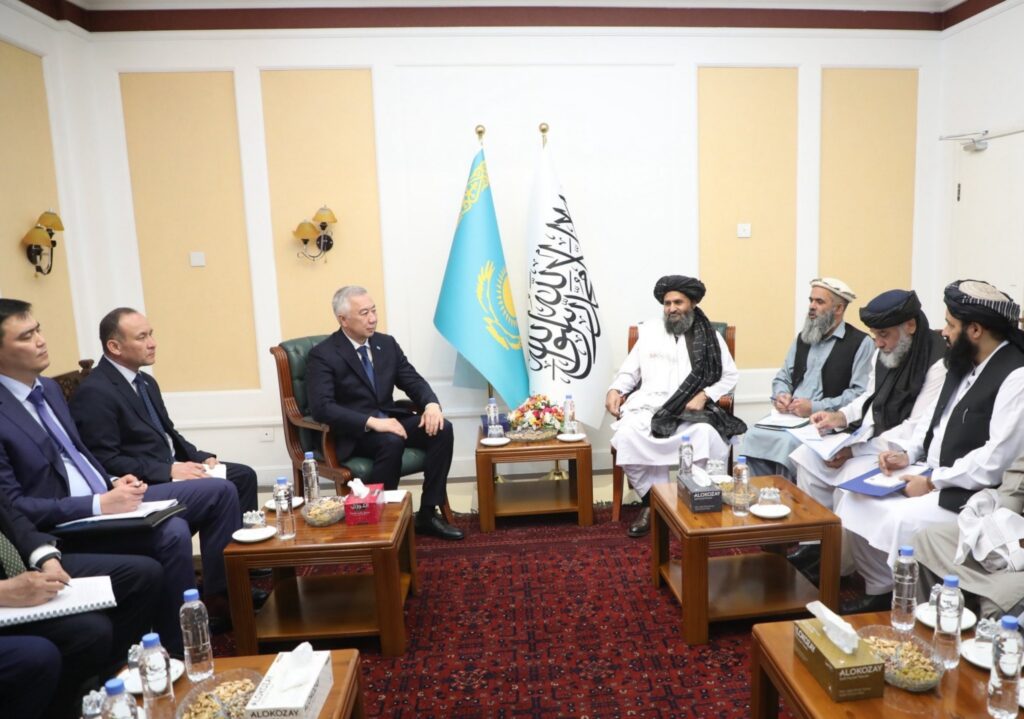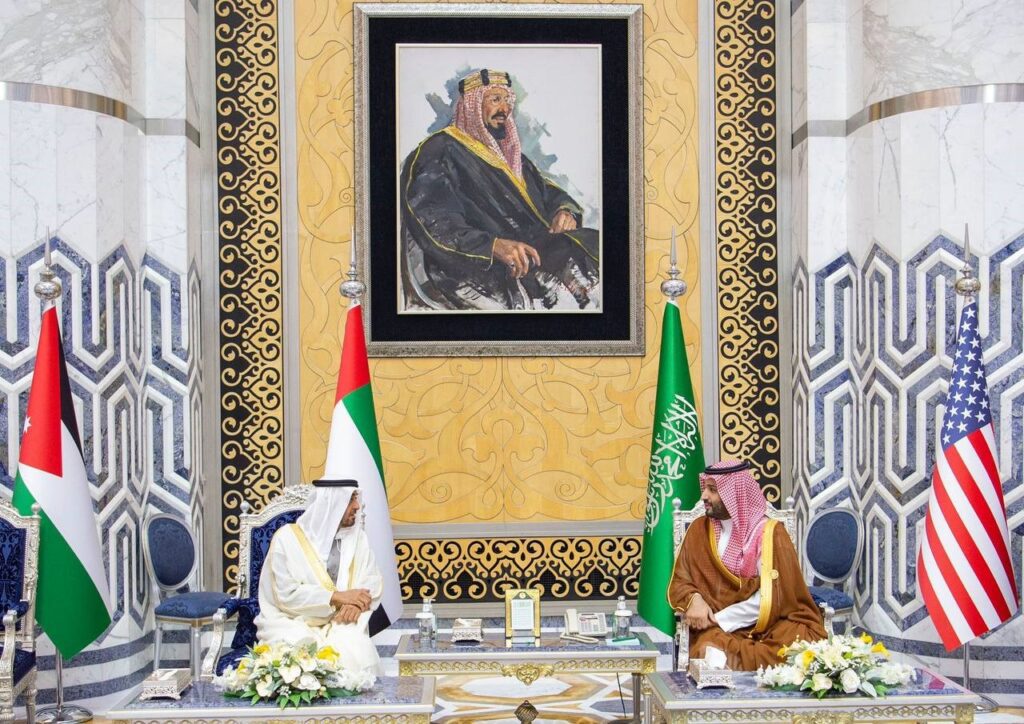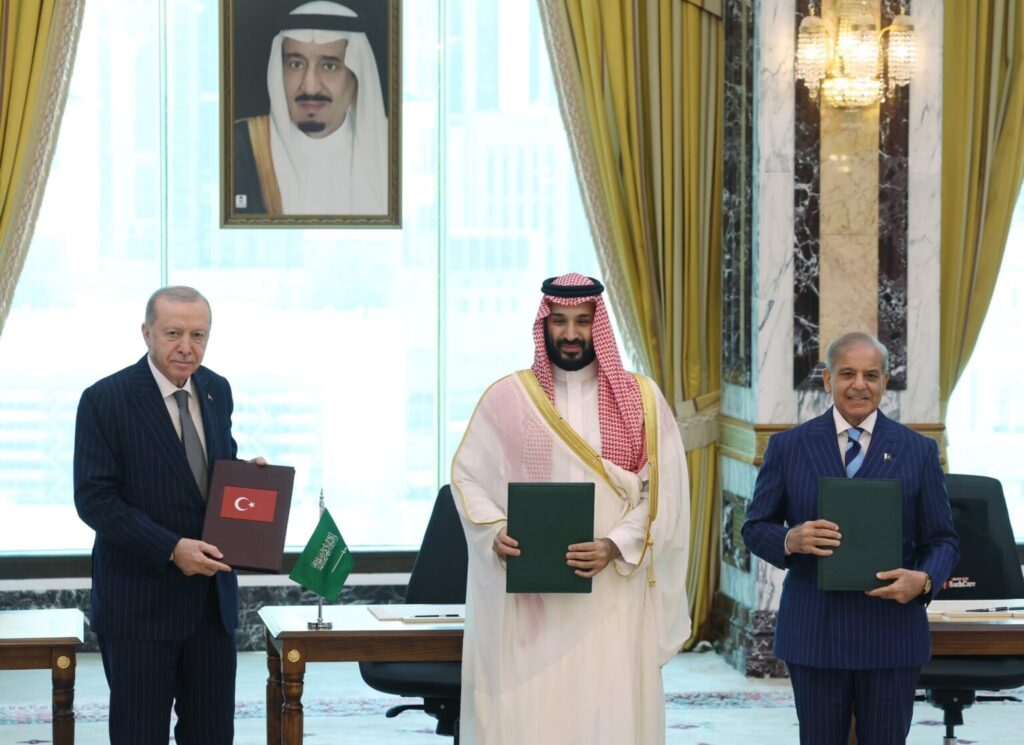
In August, Saudi Arabia, Türkiye, and Pakistan inked an agreement establishing what has been described as a “NATO-style” collective-defence framework. The pact is portrayed as a defensive alliance and remains open to new potential members seeking peace and stability.
Since its advent, the Mecca Pact has attracted two competing interpretations. One treats it as a watershed moment in the region’s strategic architecture; the other plays it down as just another attempt by states with security anxieties to reassure one another without putting together a genuinely integrated defensive alliance.