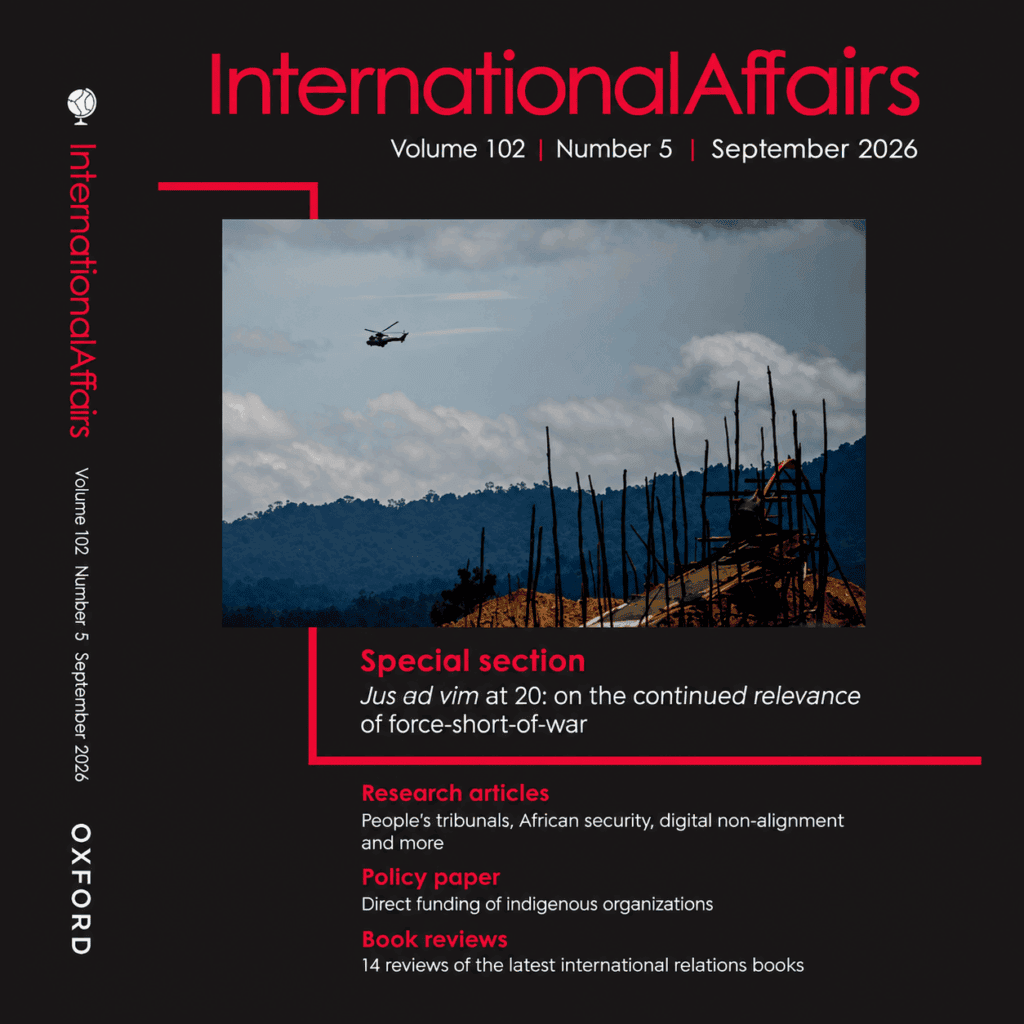
In his article, “An Indian perspective on jus ad vim”, published in International Affairs in 2026, Dr Kaushik Roy (Professor of History at Jadavpur University, Kolkata), examines the relationship between ancient Indian thinking on warfare and the contemporary Western concept of jus ad vim, which concerns the use of force below the threshold of war. The article explores how Indian strategic thought can inform contemporary debates on limited force, coercion, and the management of conflict.
Roy draws a parallel between tusnimyuddha, or “silent war”, and jus ad vim. Both challenge a rigid distinction between war and peace by recognising that states can pursue strategic objectives through actions short of full-scale military conflict. The discussion situates this idea within the distinction between kutayuddha, or deceitful warfare, and dharmayuddha, or righteous warfare. Together, these concepts illustrate how Indian strategic thought accommodates unconventional methods while also addressing the need for restraint.
Roy argues that strategic culture should not be understood as a fixed doctrine. Instead, it develops through an ongoing relationship between indigenous intellectual traditions and contemporary political circumstances. In the Indian context, he identifies a shift after 2014 towards a greater willingness to employ limited force while seeking to control escalation. He connects this approach to the Land Warfare Doctrine–2018 and its references to kopa (anger), yana (military expedition), and gudayuddha (concealed warfare), which provide a vocabulary for understanding different forms of strategic action.
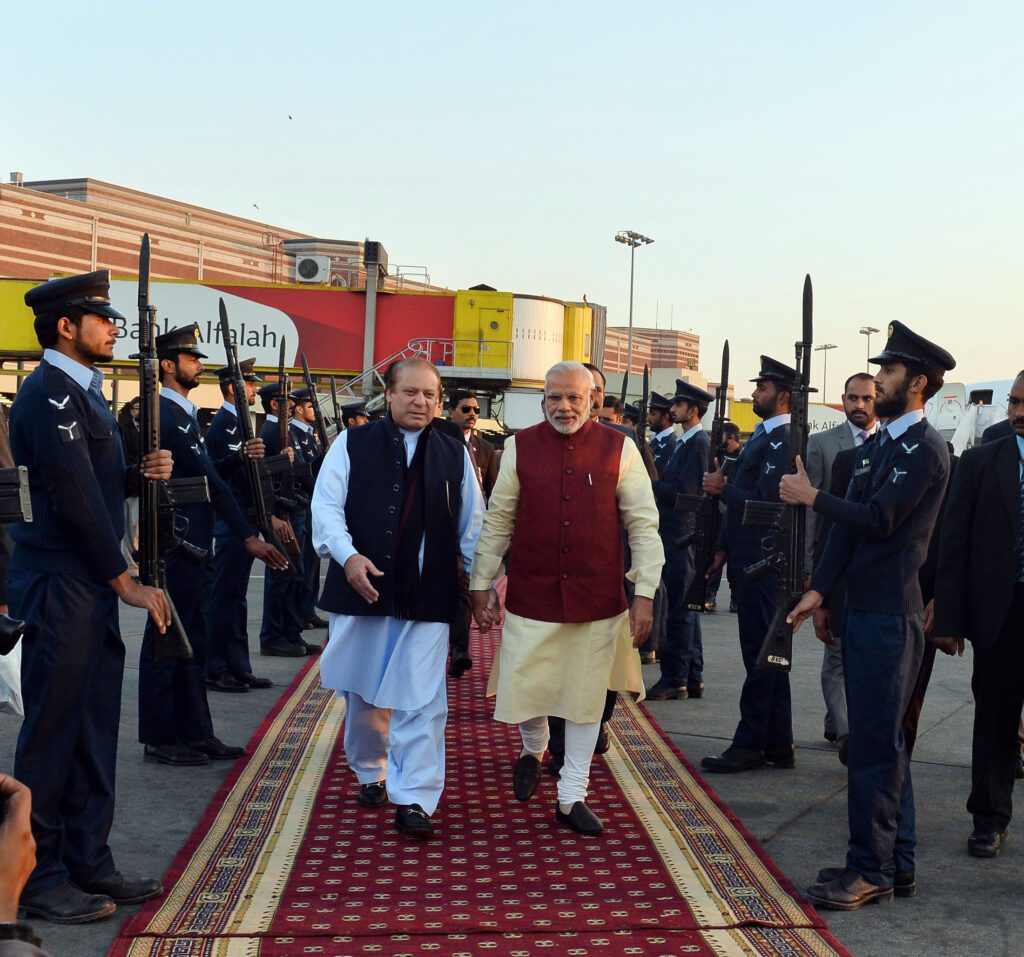
India’s responses to Pakistan illustrate the changing use of force below the threshold of full-scale war. Roy discusses Operation Parakram, the Cold Start doctrine, the response to the Uri attack, and the Balakot airstrikes, tracing how India has sought to combine military pressure with escalation management. These examples demonstrate how limited force can serve as a strategic instrument while remaining distinct from an attempt to initiate conventional war.
The discussion also considers India’s approach to China, including the Doklam and Galwan confrontations, alongside the Act East policy and the development of strategic partnerships. Roy’s analysis extends beyond conventional military operations to include cyber activities and other non-kinetic tools. Intelligence, propaganda, and information operations form part of the wider strategic environment in which states seek to influence opponents without necessarily crossing the threshold into open warfare.
Roy concludes by examining Operation Sindoor and the suspension of the Indus Waters Treaty as examples of India’s broader range of responses to security challenges. He presents tusnimyuddha as a way of understanding how states can apply pressure, signal resolve, and seek to contain conflict through military and non-military means. At the same time, such strategies cannot by themselves provide a lasting resolution to underlying disputes.
Taken together, Roy’s analysis is useful for understanding how India’s responses to security challenges can be interpreted through the relationship between indigenous strategic thought and contemporary security practices. By connecting tusnimyuddha with jus ad vim, the article contributes to wider debates about the ethical and strategic limits of using force below the threshold of war, particularly the relationship between coercion, restraint, and de-escalation.