
Zambia’s Hichilema Wins Second Term
The Development: Zambians voted in presidential and parliamentary elections on 13 August 2026. President Hakainde Hichilema was declared re-elected with about 60% of the vote, defeating Brian Mundubile. The result has been disputed by the opposition, which alleges irregularities. Tensions increased after courts were closed on the final day for filing an election challenge, while Mundubile and his running mate were subsequently questioned by police over alleged treason.
The Take: Hichilema’s victory provides continuity for Zambia’s debt restructuring and economic reform programme, but the disputed aftermath could test the country’s democratic institutions. His role as SADC’s incoming chairperson also gives the controversy a wider regional significance.
SADC Strengthens Regional Mediation
The Development: On 17 August 2026, leaders of the Southern African Development Community met in Durban for the bloc’s 46th Ordinary Summit. South African President Cyril Ramaphosa was elected chairperson for 2026–27, with Zambian President Hakainde Hichilema named incoming chairperson. The summit also appointed former Botswana President Mokgweetsi Masisi and former Mozambican President Joaquim Chissano to the SADC Panel of Elders to support mediation, conflict prevention and preventive diplomacy.
The Take: SADC is strengthening its own regional mechanisms at a time of overlapping economic and security pressures. Bringing former presidents into the Panel of Elders gives the bloc an additional instrument for preventive diplomacy and conflict management.
Africa Rethinks Conflict Prevention
The Development: The African Union is holding an extraordinary summit in Luanda, Angola, on 29–30 August 2026 to strengthen mechanisms for conflict prevention and resolution. The meeting is assessing the effectiveness of existing continental mechanisms and seeking practical measures to improve early warning, conflict prevention, coordination, African financing for peace and the role of the Peace and Security Council.
The Take: The summit reflects a renewed effort to strengthen African ownership of peace and security. Its significance will depend on whether it produces stronger mechanisms and resources rather than another reaffirmation of existing commitments.
China Deepens Strategic Ties with Indonesia
The Development: On 21 August 2026, China and Indonesia agreed to deepen defence cooperation and expand collaboration on critical minerals, energy and technology during their first Comprehensive Strategic Dialogue and second 2+2 ministerial meeting in Jakarta. The two sides also discussed increased military exercises and a proposed joint munitions factory in Indonesia.
The Take: Indonesia continues to pursue strategic autonomy while deepening ties with Beijing. The combination of defence cooperation, critical minerals and defence-industrial collaboration shows how economic and security relationships are becoming increasingly intertwined across the Global South.
Turkey, Saudi Arabia and Pakistan Build a New Security Triangle
The Development: On 7 August 2026, Turkey, Saudi Arabia and Pakistan signed the Mecca Joint Defence Agreement, under which an armed attack against one member would be regarded as an attack against all three. The agreement provides for greater political and military coordination and joint defence cooperation.
The Take: The agreement creates a new layer of security cooperation among three influential Muslim-majority states outside the traditional Western alliance structure. Its significance will depend on whether it develops into a sustained defence mechanism or remains primarily a political response to the region’s deteriorating security environment.
Pacific Islands Forum Faces a China Test
The Development: The 55th Pacific Islands Forum Leaders Meeting is taking place in Palau from 30 August to 4 September. It follows disagreements among Pacific foreign ministers over a joint response to China’s July missile test. Taiwan’s planned participation in summit-related events has added another layer to the region’s growing strategic competition.
The Take: The Pacific’s strategic importance is rising, but regional governments continue to resist a simple choice between China and Western powers. The Palau summit will test whether the Forum can maintain a common regional position while its members pursue different security and economic relationships.
BRICS Pushes Economic Coordination
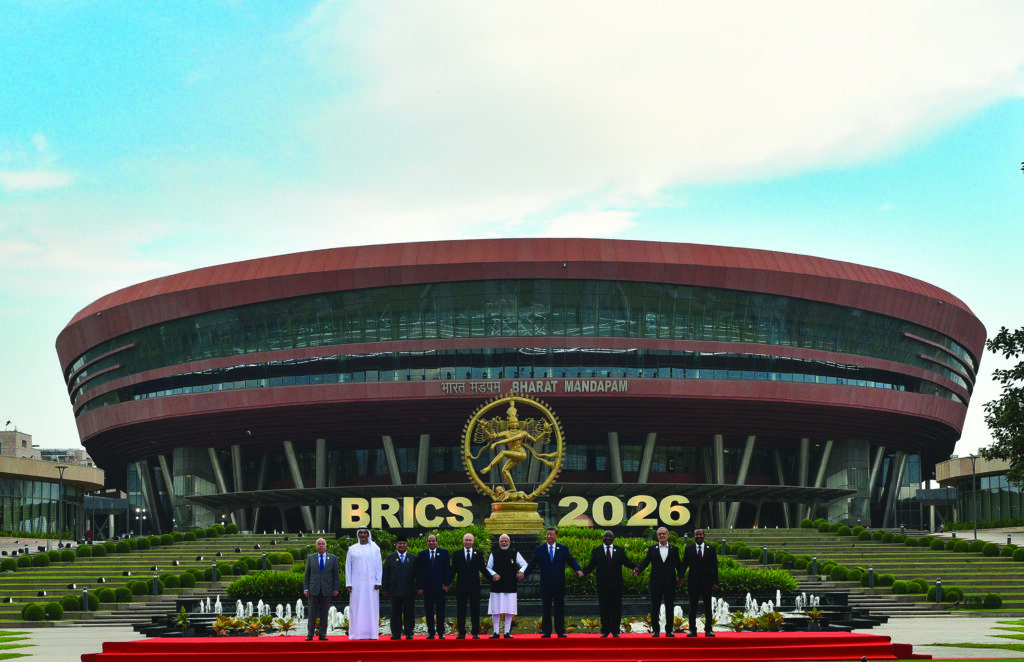
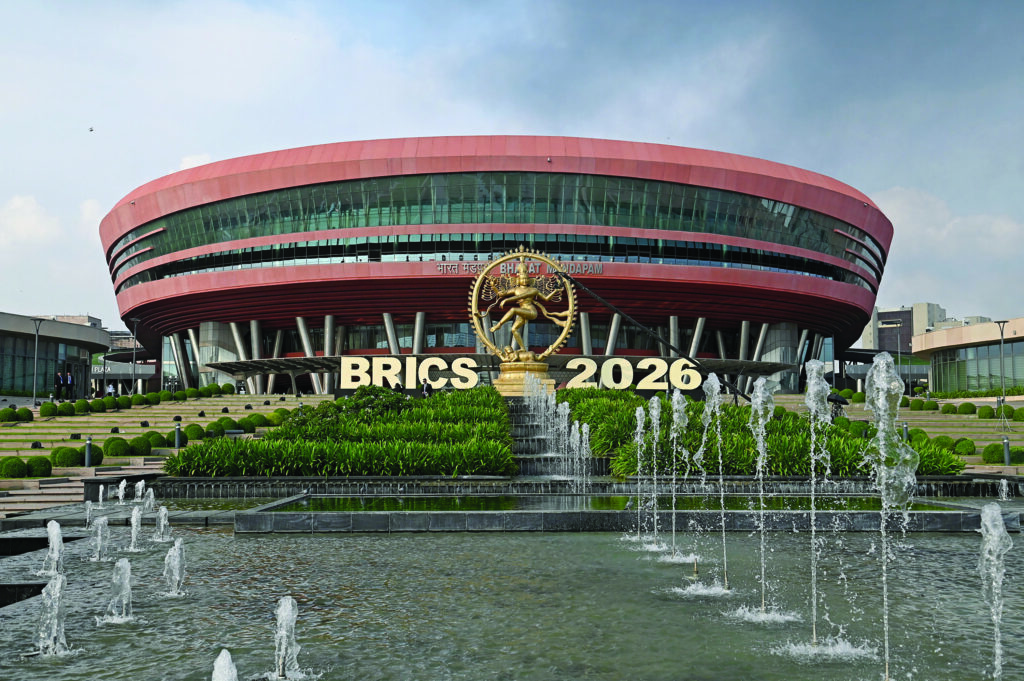
The Development: India’s 2026 BRICS chairship is gathering momentum ahead of the 18th BRICS Summit in New Delhi on 12–13 September. Member states have been advancing cooperation on trade, industrial development, supply chains, small businesses and other areas of economic coordination.
The Take: BRICS is increasingly attempting to translate its political weight into practical economic cooperation. The focus on supply chains and industrial capacity reflects a broader Global South effort to reduce vulnerability to geopolitical fragmentation while expanding its influence over the global economic order.
Haiti Struggles to Create Conditions for Elections
The Development: CARICOM and the Organisation of American States have stepped up engagement with Haiti as the country prepares for elections scheduled to begin with a presidential and legislative vote on 13 December 2026. The timetable remains dependent on security conditions and adequate funding, as armed groups continue to pose a major challenge to the political transition.
The Take: Haiti’s transition is now a race between the electoral calendar and the country’s security crisis. Regional involvement underscores the Caribbean dimension of the crisis, but the central question is whether security conditions can improve enough for a credible political process to take place.