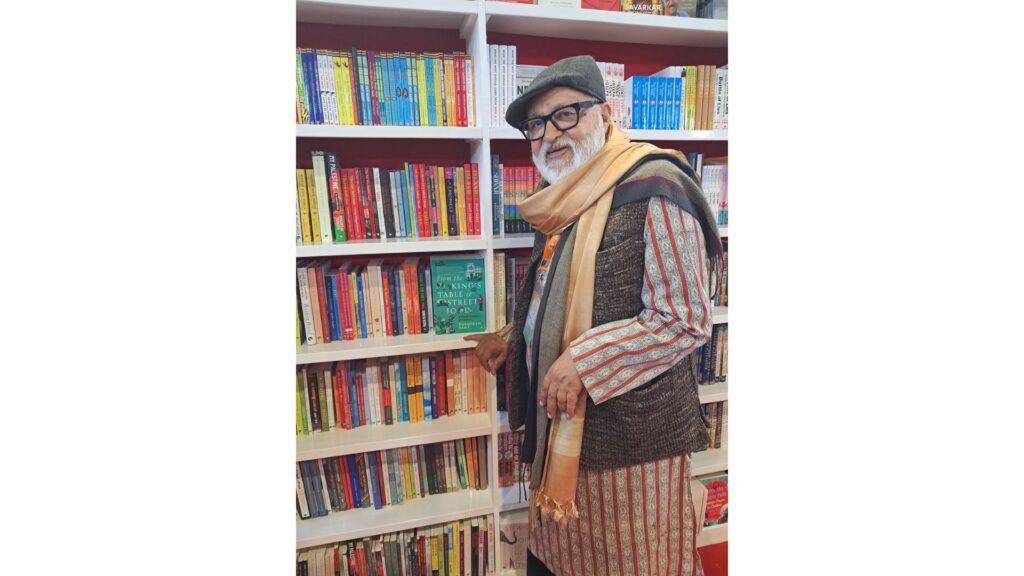
In his 13 August 2026 expert commentary, ‘Is the Shanghai Cooperation Organisation the future of multilateralism? India may be the test’, Vince Cable, a Distinguished Fellow at ODI Global and an adviser to its Centre for Geopolitics of Global Change, examines whether the Shanghai Cooperation Organisation (SCO) can sustain meaningful cooperation among countries with very different interests and political systems. He argues that India’s continued engagement with the SCO is an important test of the organisation’s relevance and of whether multilateral cooperation can work despite deep geopolitical rivalries.
Cable begins by highlighting the SCO’s considerable demographic and economic weight. Its members account for 42 per cent of the world’s population and 36 per cent of global GDP at purchasing power parity, although the organisation attracts far less attention than the G7. He asks whether the SCO is simply a ‘vacuous talking shop’ or a serious attempt to build cooperation across political divisions. The organisation has expanded since the Shanghai Five, with India and Pakistan joining in 2017, Iran in 2023 and Belarus in 2024. Its agenda now extends beyond border management to economic cooperation, connectivity, trade and investment, although Cable notes that relatively little has been achieved in concrete terms.
Counter-terrorism is one of the SCO’s more developed areas of cooperation. Cable highlights the Regional Anti-Terrorist Structure (RATS) in Tashkent, which supports intelligence sharing, training and institutional cooperation. He also notes the SCO’s use of the formulation of the ‘three evils’: terrorism, separatism and extremism. Yet members do not necessarily interpret these threats in the same way, with India and Pakistan in particular holding different views on some of the underlying problems. Cable therefore presents the SCO’s central challenge as whether an organisation containing such deep rivalries can produce practical cooperation.
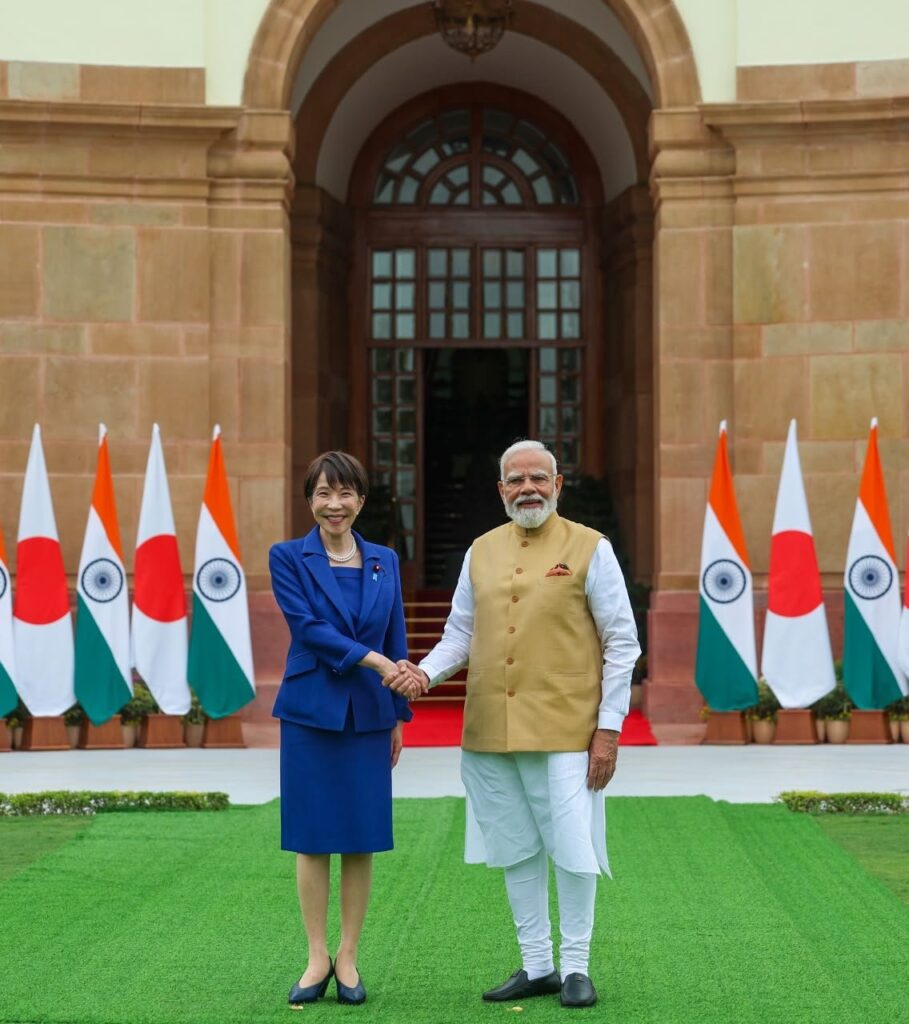
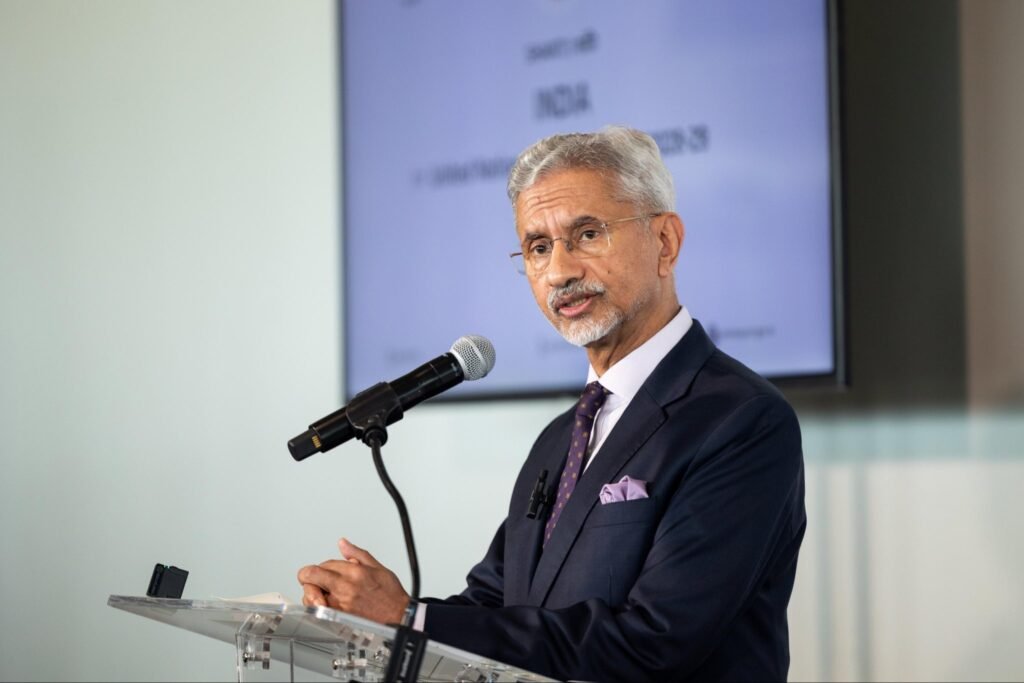
India’s role is central to Cable’s analysis. He argues that New Delhi has an interest in remaining inside a China-dominated organisation rather than allowing China and Pakistan to shape it without Indian participation. Chinese support for Indian membership also helps Beijing present the SCO as a broader and more inclusive organisation. Cable identifies areas of convergence between India and other SCO members, including concerns about secondary US sanctions and an interest in reducing dependence on the dollar. India’s relationship with Russia is another factor, given Russia’s role as a defence supplier, oil provider and market for Indian exports.
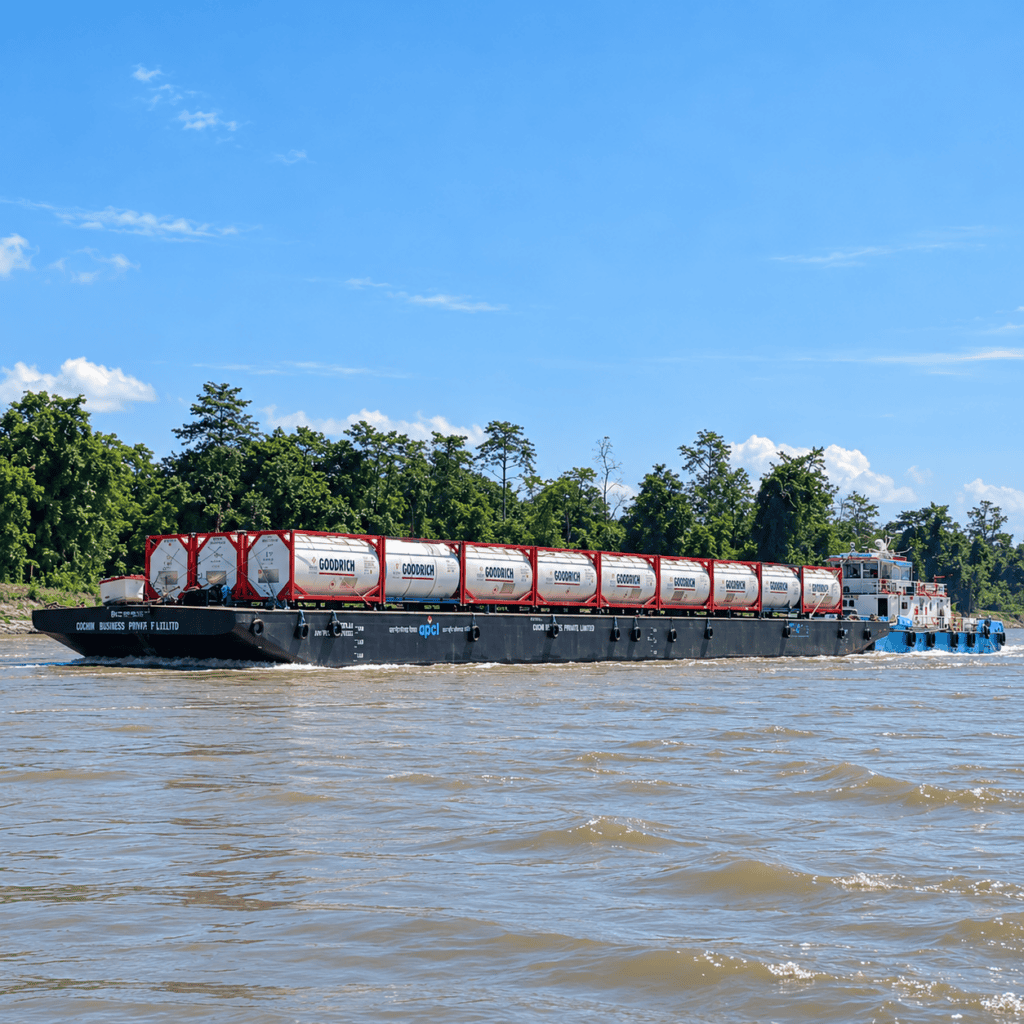
Cable also examines India’s interest in Central Asian connectivity. He points to projects such as the International North-South Transport Corridor and notes India’s interest in cooperation on cybersecurity and digital forensics through RATS. At the same time, he stresses the asymmetry between India and China in the region. China has invested heavily in Central Asian infrastructure and expanded its strategic position through the China-Pakistan Economic Corridor, giving Beijing greater economic and infrastructural influence.
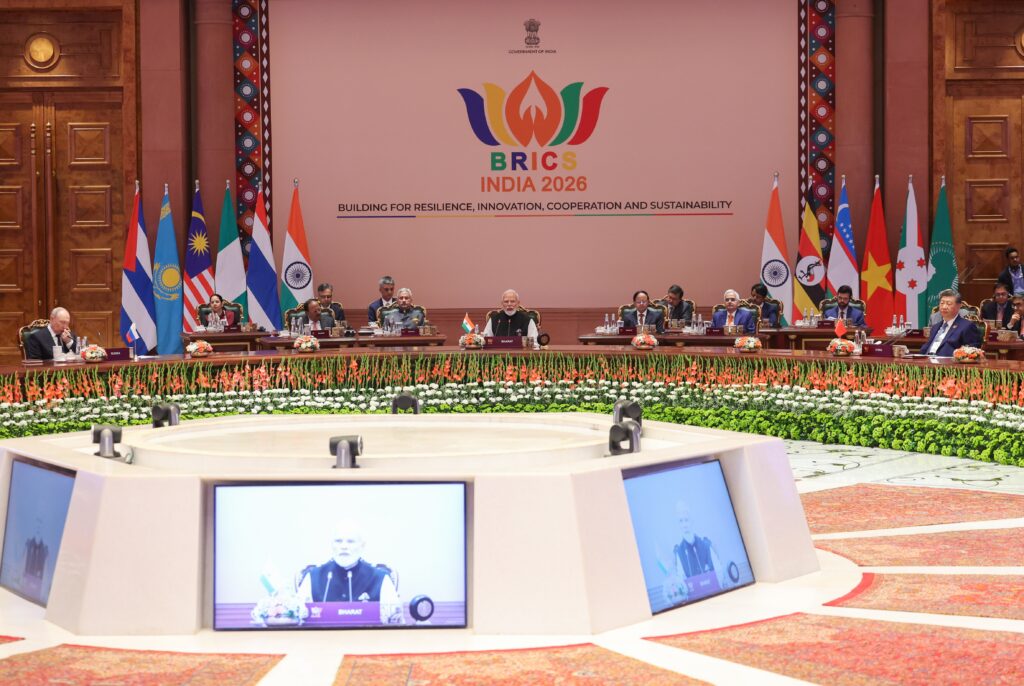
Economic cooperation within the SCO, Cable argues, faces significant limits. India remains cautious about deeper economic integration with China because of concerns about Chinese industrial competition. He notes that India stayed out of the Regional Comprehensive Economic Partnership and remains reluctant to reduce trade barriers or open its market more widely to Chinese investment. Multilateral development banking therefore offers a more politically manageable area of cooperation. Cable points to India’s participation in the Asian Infrastructure Investment Bank and the BRICS New Development Bank, as well as its support for a proposed SCO Development Bank. He argues that such institutions should operate on professional, non-political lines rather than becoming instruments of Chinese strategic interests.
The broader framework for India’s SCO policy, Cable argues, is ‘multi-alignment’ rather than traditional non-alignment. India is not equidistant between China and the United States. Cable describes China as an adversary and points to India’s security relationships with the United States, Japan and Australia through the Quad. At the same time, India maintains pragmatic relations with China, Russia and other powers where interests overlap. Cable sees this as a form of hedging, but argues that the strategy is being tested by geopolitical crises, particularly in the Middle East. India’s ability to maintain relations with the Gulf states, Iran, Israel, Russia and the United States has not insulated it from the wider consequences of regional conflict, including disruption around the Strait of Hormuz.
Cable concludes that India continues to see practical value in the SCO despite its limited achievements. New Delhi wants greater emphasis on economic cooperation, supports the proposed Development Bank, values counter-terrorism cooperation through RATS, seeks stronger ties with Central Asia and wants English to remain an SCO working language. Cable accepts that the SCO ‘is a talking shop’, but argues that this does not make it irrelevant. Its significance lies in providing a forum for structured dialogue among states with serious disagreements. With four nuclear-armed states and Iran among its members, he concludes that the organisation’s capacity to sustain dialogue and provide ‘jaw-jaw’ as an alternative to ‘war-war’ gives it continuing strategic value.