A state banquet is never just a meal. Behind every dish, menu, and carefully chosen ingredient lies a story of power, memory and identity.
What happens when food moves from the dining table to a diplomatic table?Can a menu reveal something about a nation? Perhaps more than we imagine. From the state banquet at the 2001 Agra Summit to larger questions on food security, Pushpesh Pant looks at food as a window into diplomacy, culture, and identity. He recalls how the Agra menu sought to bring alive a culinary India that existed before Partition—one that could acknowledge a shared inheritance without erasing difference. But for Pant, India’s extraordinary diversity should also find its way onto the plate, through its many regions, ingredients, traditions and culinary histories.
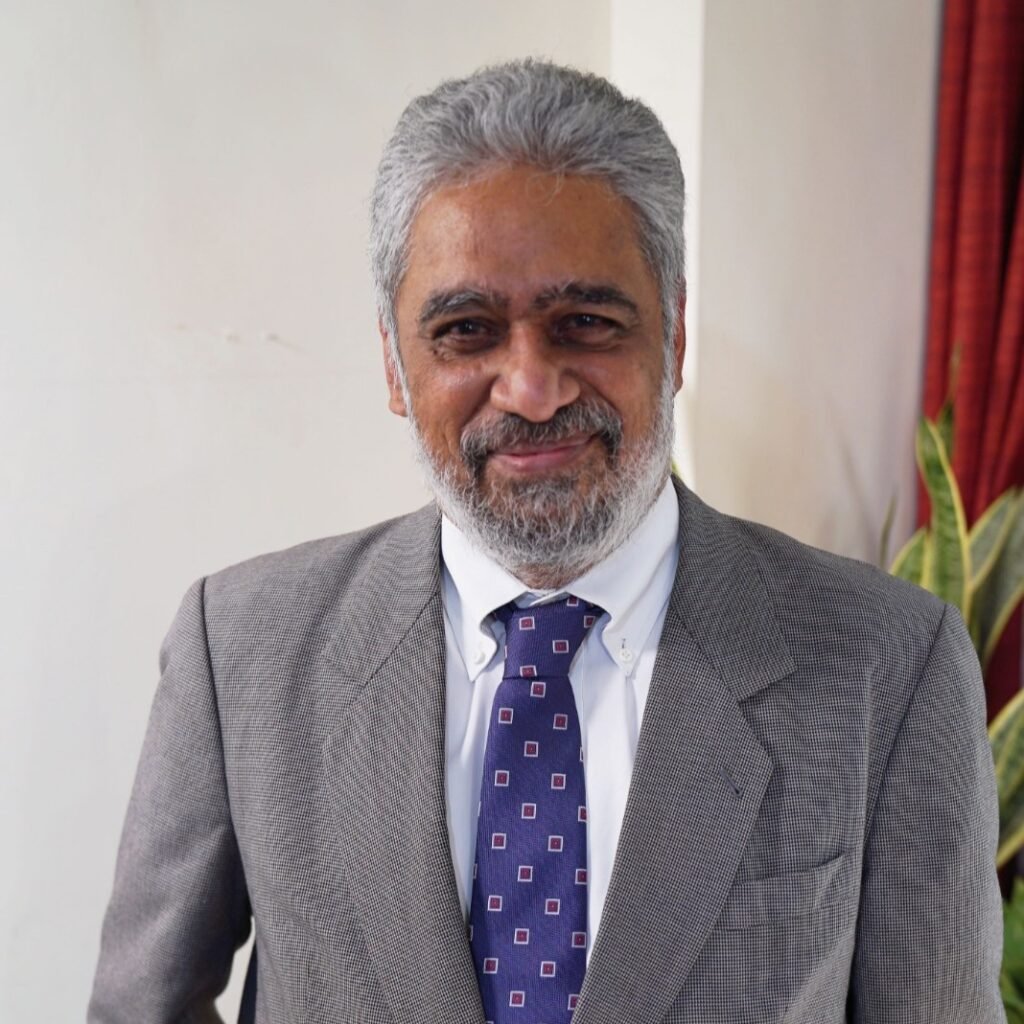
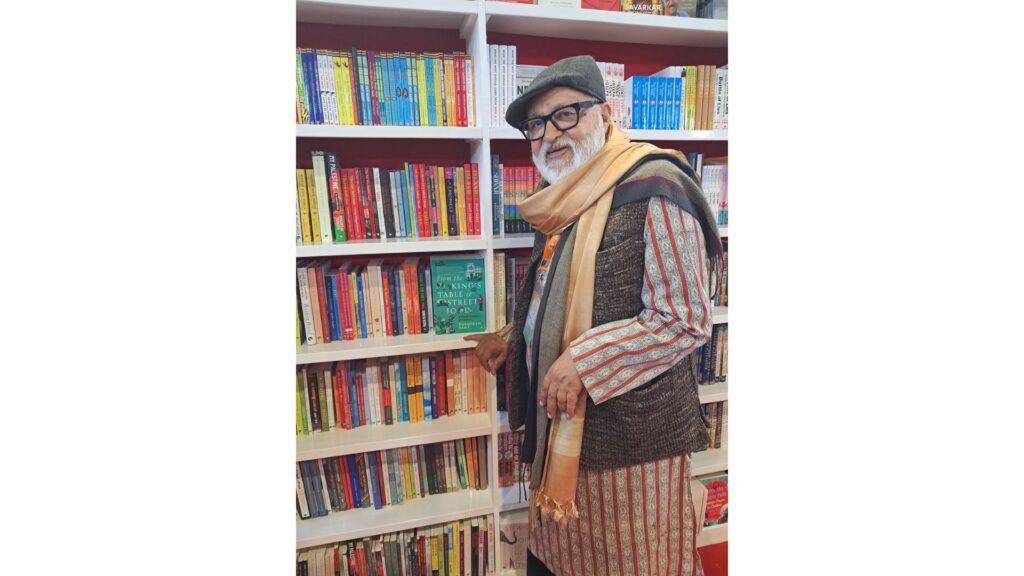
A former professor of international relations at Jawaharlal Nehru University, Pushpesh Pant is an acclaimed academic, food critic and an historian. His book The Cookbook was recognised as one of the best cookbooks of 2011 by The New York Times. A familiar face on television, he has explored Indian culinary heritage and royal heritage through Raja, Rasoi aur Anya Kahaniyaan. In recognition of his contributions, he was awarded the Padma Sri in 2016.