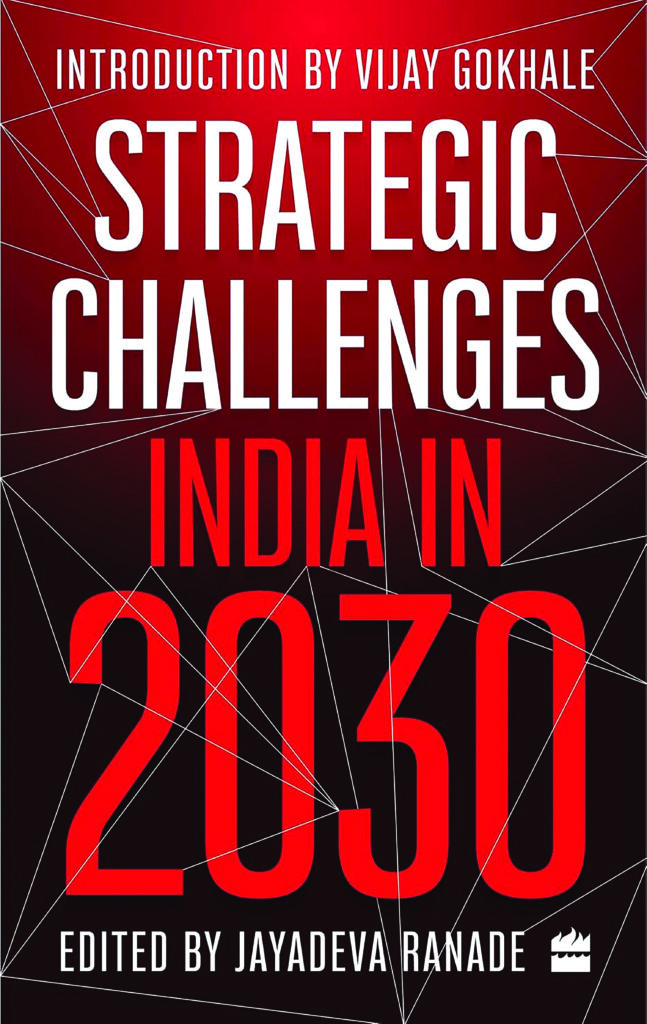
The decade ahead will test India’s ability to manage a rapidly changing strategic environment shaped by great-power competition, technological disruption, and evolving security challenges. Strategic Challenges: India in 2030, edited by Jayadeva Ranade, offers an assessment of the choices and challenges that could define India’s trajectory towards 2030. The volume, comprising 10 chapters, brings together contributions from eminent strategic experts, thinkers, and members of the military community, offering an inclusive perspective based on their firsthand knowledge and understanding of India’s security environment. By examining numerous imminent regional and functional challenges that India could face during the present and the next pivotal decades, the book raises an important question: whether India is adequately prepared to address these challenges.
The volume identifies both China and Pakistan as India’s immediate strategic challenges, which need to be dealt with wisely. It argues that China could pose a civilizational threat to weaken India internally and damage its credibility regionally, while Pakistan could exploit high-technology capabilities and the possibility of a two-front challenge involving both Pakistan and China. In the following chapters, Jayadeva Ranade elucidates how countries like the USA and Russia could support New Delhi in maintaining its strategic independence in the face of these challenges. The book argues that, due to shared democratic values and geostrategic compulsions, India and the US could enhance their partnership. Similarly, India–Russia relations, often described as an “all-weather friendship”, could regain greater significance due to their longstanding strategic convergences and mutual trust.
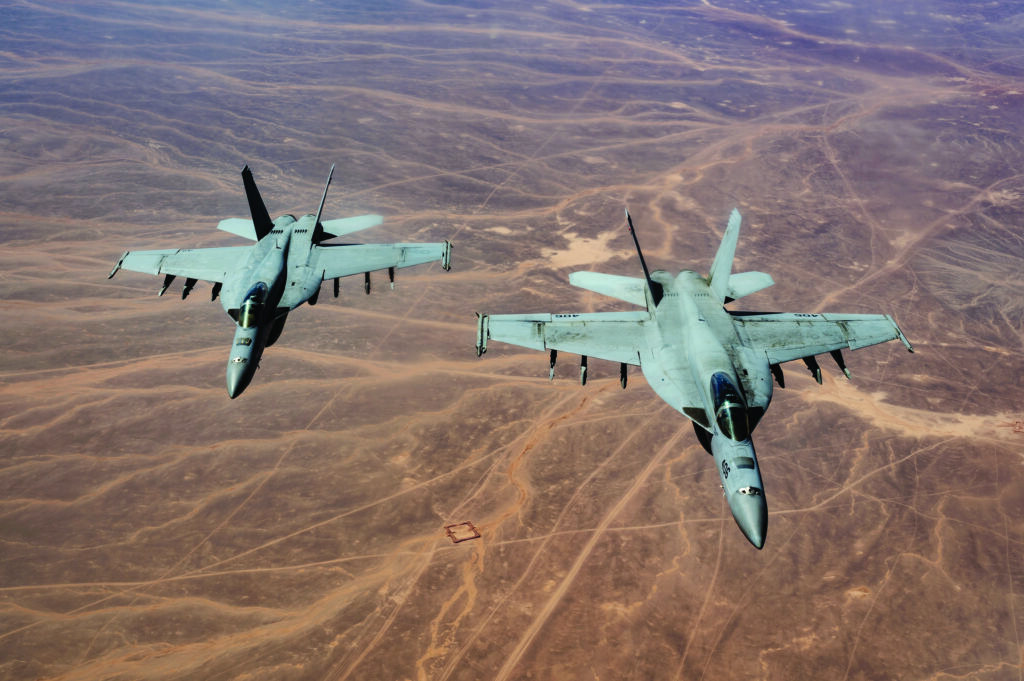
In the subsequent chapters, the contributors highlight the emergence of new technologies and their role in the changing nature of warfare, while also examining strategic challenges in maritime security and the air or space domains. In this context, the book stresses that India needs to be prepared, as China is preparing for future wars by developing lethal autonomous weapon systems, electromagnetic-spectrum warfare capabilities and space-based weapons. To address these challenges, the contributors suggest that India adopt jointness, integrated military planning, rapid experimentation with emerging technologies, and indigenisation of deterrence capabilities to respond to threats from China, Pakistan or both.
However, the volume’s strong focus on military and technological preparedness leaves relatively less space for examining broader dimensions of national power, including economic resilience, diplomatic capacity, and institutional reforms. Since future strategic competition will extend beyond conventional military domains, a more integrated discussion of these factors could have further strengthened the analysis. Nevertheless, the book succeeds in highlighting several critical areas where India needs sustained attention and long-term planning.
In the concluding chapters, Ranade argues that India should reduce its dependence on other countries for critical technologies and focus on fundamental military reforms capable of delivering asymmetric responses to emerging threats. He emphasises that while building new partnerships is essential, India must also maintain longstanding relationships such as its ties with Russia, continue engagement with all major countries including China, and resolve unsettled matters with smaller neighbours that have complicated its foreign policy for decades.
Overall, Strategic Challenges: India in 2030 is a thought-provoking contribution that merits attention. It adopts a problem-solving approach and provides insights into current and future policy priorities that deserve consideration by India’s strategic thinkers, policymakers, and political leadership.