India’s April 2026 diplomatic calendar centres on concrete economic processes, with Bharat Steel 2026 scheduled for 16–17 April at Bharat Mandapam in New Delhi. Organised under the Ministry of Steel and conceived as a global platform, the event brings together international industry leaders, investors, and policymakers to deliberate on steel supply chains, trade frameworks, technological innovation, and raw material security. The conference signals India’s effort to position itself within global industrial networks at a moment when raw material security and trade diversification are reshaping manufacturing priorities across major economies.
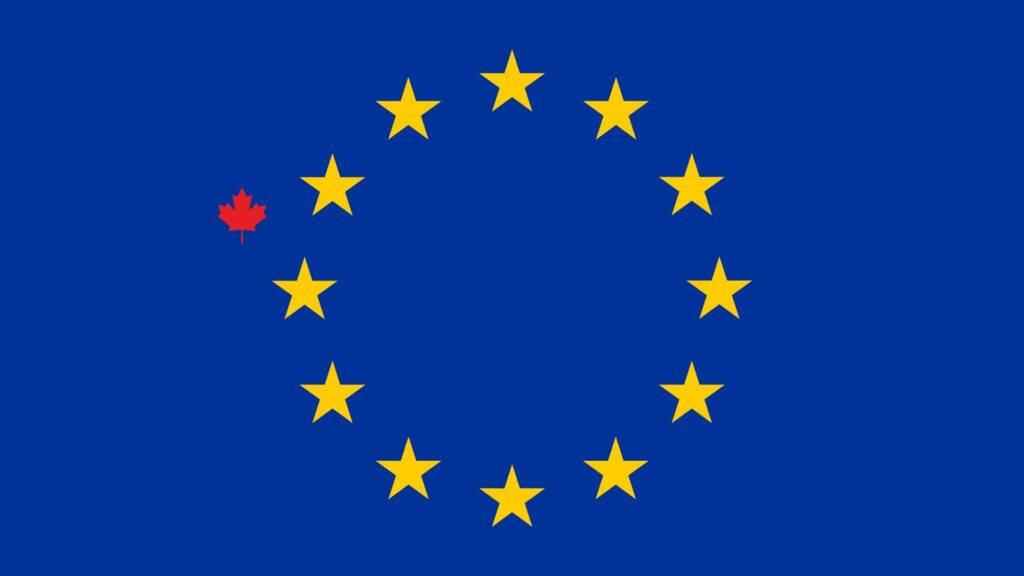
These economic engagements unfold against the backdrop of India’s formal restart of Comprehensive Economic Partnership Agreement (CEPA) negotiations with Canada, with Terms of Reference signed on 2 March 2026 to expand bilateral trade and investment. While some reports suggest that the first negotiating round could take place in April or May, no official schedule has been announced. The talks follow years of stalled engagement and reflect a recalibration of bilateral economic relations with a middle power that offers complementary strengths in resources, technology, and services sectors.
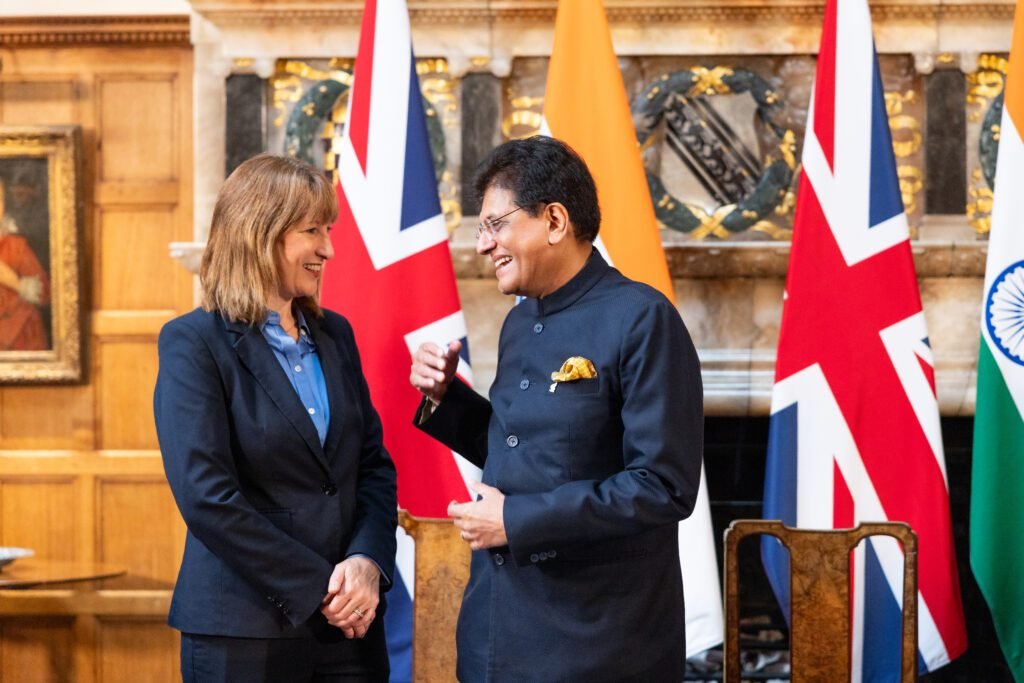
On the bilateral trade front, the India–UK Free Trade Agreement, signed on 24 July 2025, is moving towards implementation, with official indications that it could enter into force in 2026, potentially around April, subject to completion of domestic procedures. A separate Social Security Agreement between India and the UK was signed on 10 February 2026, after being committed to during the July 2025 FTA negotiations. If the FTA implementation is completed around April, it would mark a significant post-Brexit economic alignment and expand market access for both economies, while the social security arrangement addresses a longstanding barrier to professional mobility between the two countries.
On the strategic front, multiple media reports suggest the expected induction of India’s nuclear-powered ballistic missile submarine INS Aridhaman in the April–May window, though this has not been formally announced. The induction would strengthen India’s sea-based nuclear deterrent and enhance strategic autonomy in the Indian Ocean, where great power competition is intensifying. These developments unfold as India remains actively engaged in West Asia-linked diplomatic issues, where energy security, regional stability, and strategic balancing continue to figure prominently in New Delhi’s external engagement priorities for 2026.
India’s diplomatic calendar for April 2026 will be anchored primarily in energy security, as the ongoing Iran war continues to disrupt global supply chains and maritime flows through the Strait of Hormuz, through which a substantial share of India’s oil and the overwhelming majority of its LPG imports transit. India is likely to continue its efforts to stabilise the situation in the region, while expanding the diversification of its energy sources.