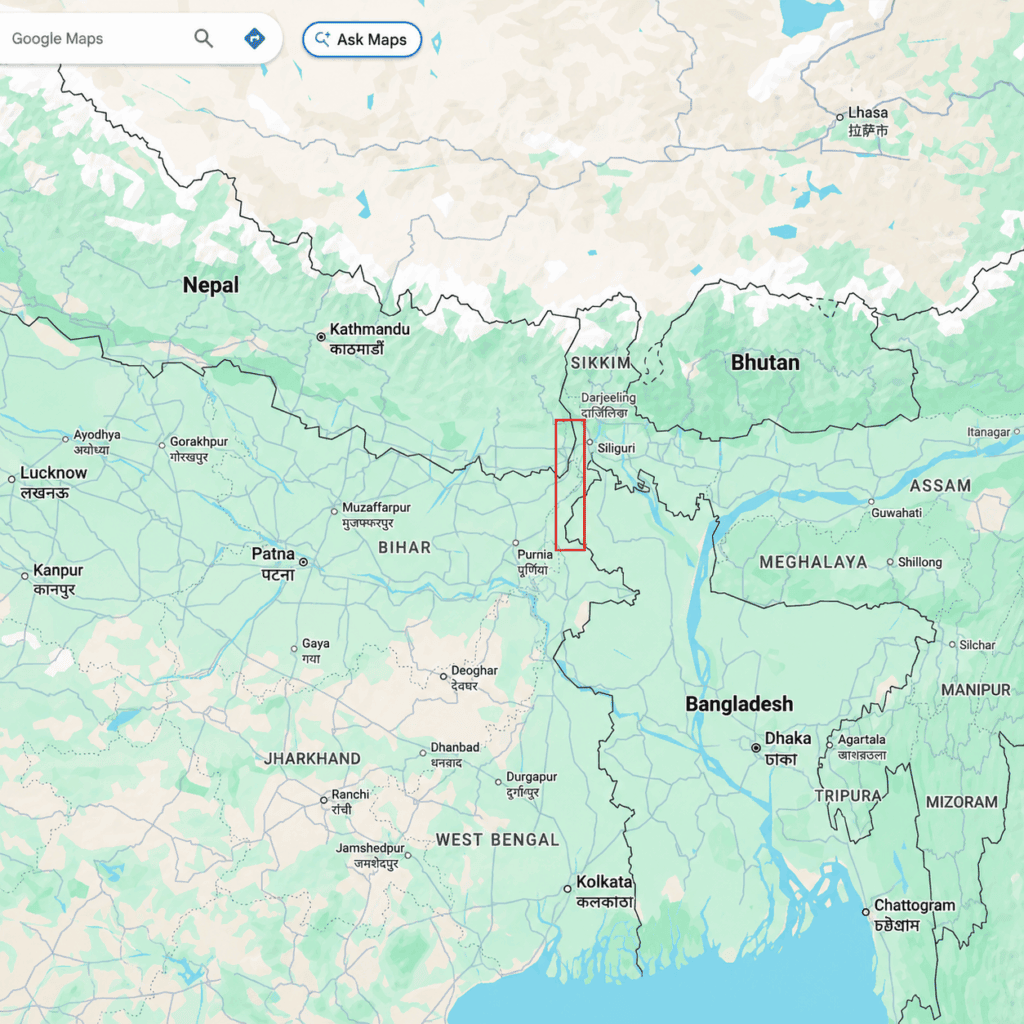
The Bharatiya Janata Party’s (BJP) victories in West Bengal and Assam in May 2026 were not just electoral verdicts. They reflected the growing centrality of migration in shaping India’s approach towards Bangladesh. In both states, the campaign debate moved beyond familiar border rhetoric and centred instead on enforcement, citizenship verification, and demographic anxiety. BJP leaders repeatedly framed undocumented migration as a governance and security issue requiring visible state action after the elections.
In Assam, where Chief Minister Himanta Biswa Sarma has long built political capital around detention, eviction, and expulsion rhetoric, the renewed mandate reaffirmed support for his hardline approach to migration control as he promised to invoke the Immigrants (Expulsion from Assam) Act, 1950. Meanwhile, in West Bengal, the BJP projected the verdict as support for an “Assam-style” approach towards undocumented migration. More importantly, the verdicts reinforced a wider political climate in which migration is increasingly shaping the terms through which India engages Bangladesh itself.