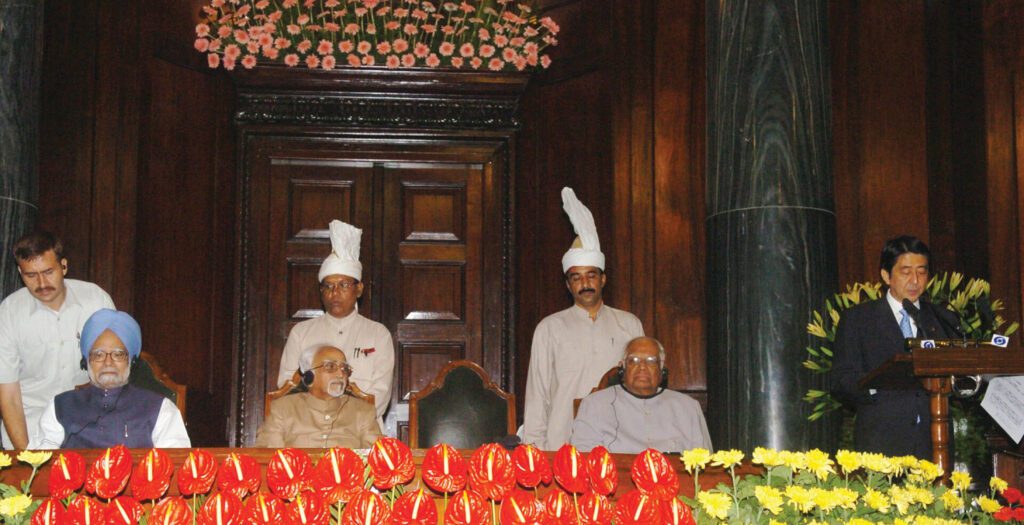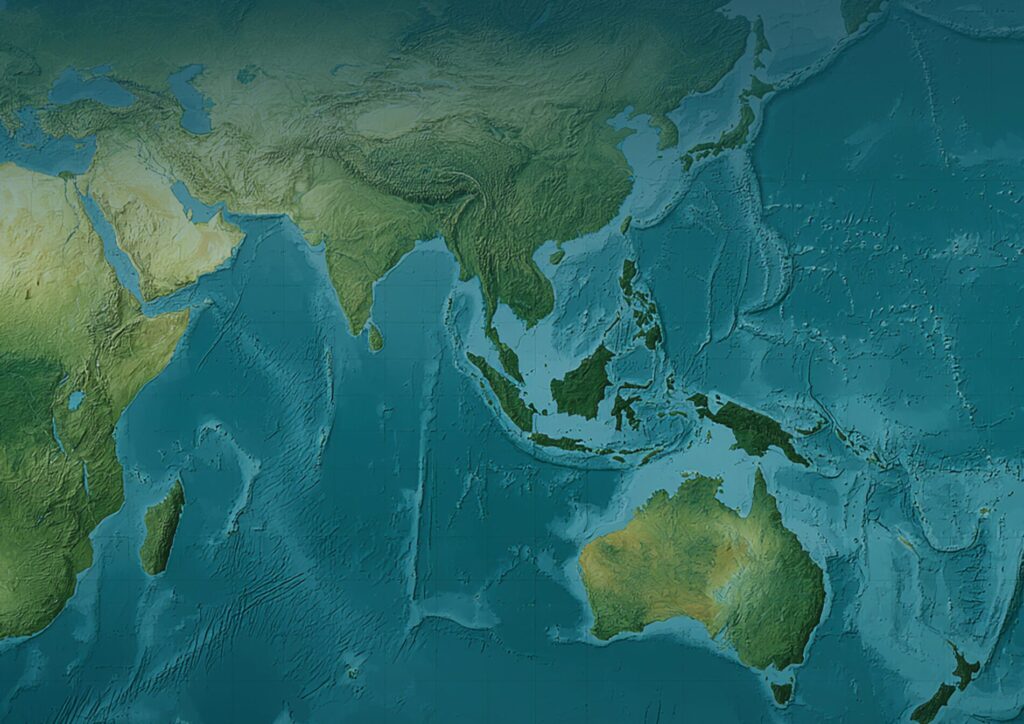
Nearly four years after the tragic assassination of former Prime Minister Shinzo Abe in Nara in July 2022, the domestic Japanese discourse surrounding his tenure remains profoundly fractured. Within the archipelago, assessments of his legacy are routinely heavily polarised, divided along the familiar, deeply entrenched fault lines of Abenomics, constitutional revisionism, and the perennial complexities of historical memory. Yet, when we shift our analytical gaze beyond Japan’s borders, the conversation has evolved on an entirely different, far more pragmatic track. This divergence between domestic contestation and international appraisal is, in itself, analytically revealing. Within the strategic communities of Washington, Canberra, New Delhi, Ottawa, and increasingly Brussels, Abe is rarely analysed merely as a polarising conservative nationalist (anymore). Instead, he is widely recognised as the principal architect of a durable strategic vocabulary that has fundamentally reshaped the geopolitical contours of the 21st century.
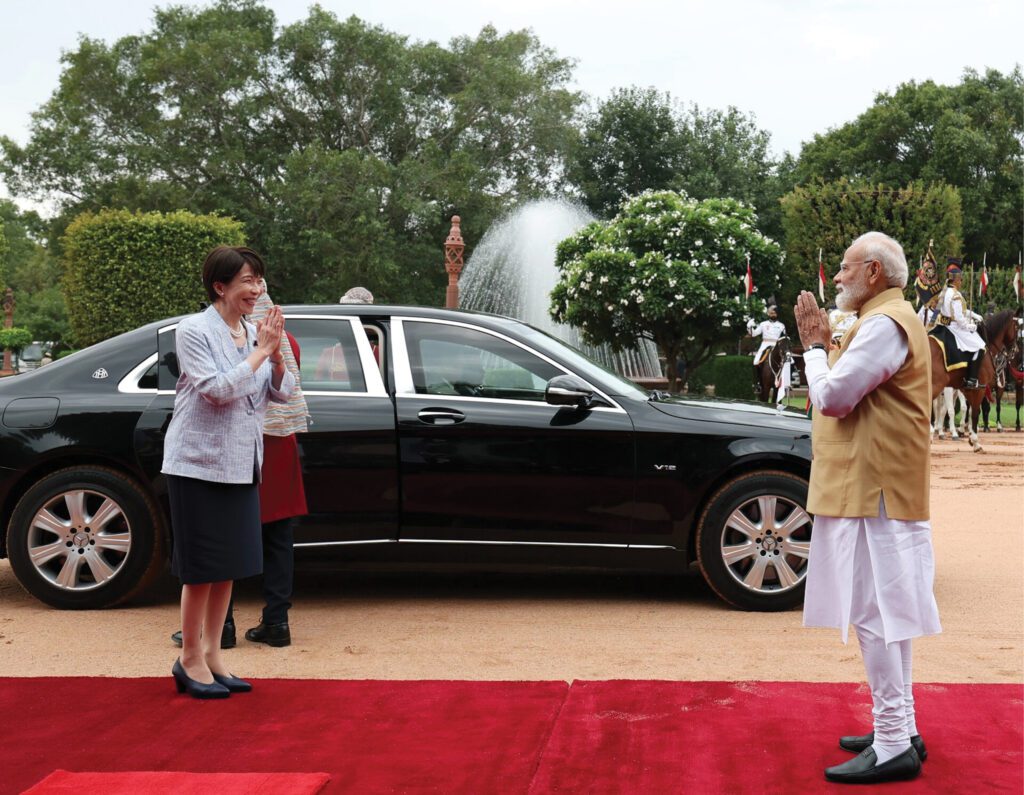
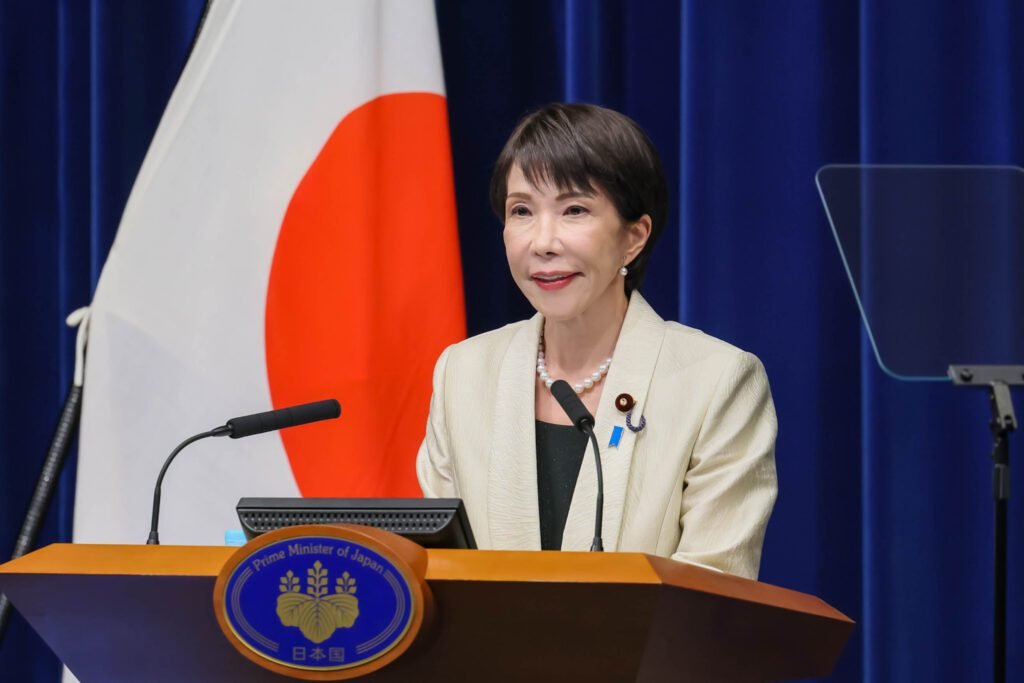
Understanding this phenomenon requires a disciplined analytical separation of the man’s ideological convictions from his tangible statecraft. It is precisely this rigorous distinction that must guide our assessment of Prime Minister Sanae Takaichi, who assumed office in October 2025 and is widely, perhaps too simplistically, read as Abe’s direct ideological heir. As Japan navigates a complex 2026 characterised by a second Trump administration in Washington and intensifying structural competition with Beijing, Takaichi inherits a standard, not merely a name.