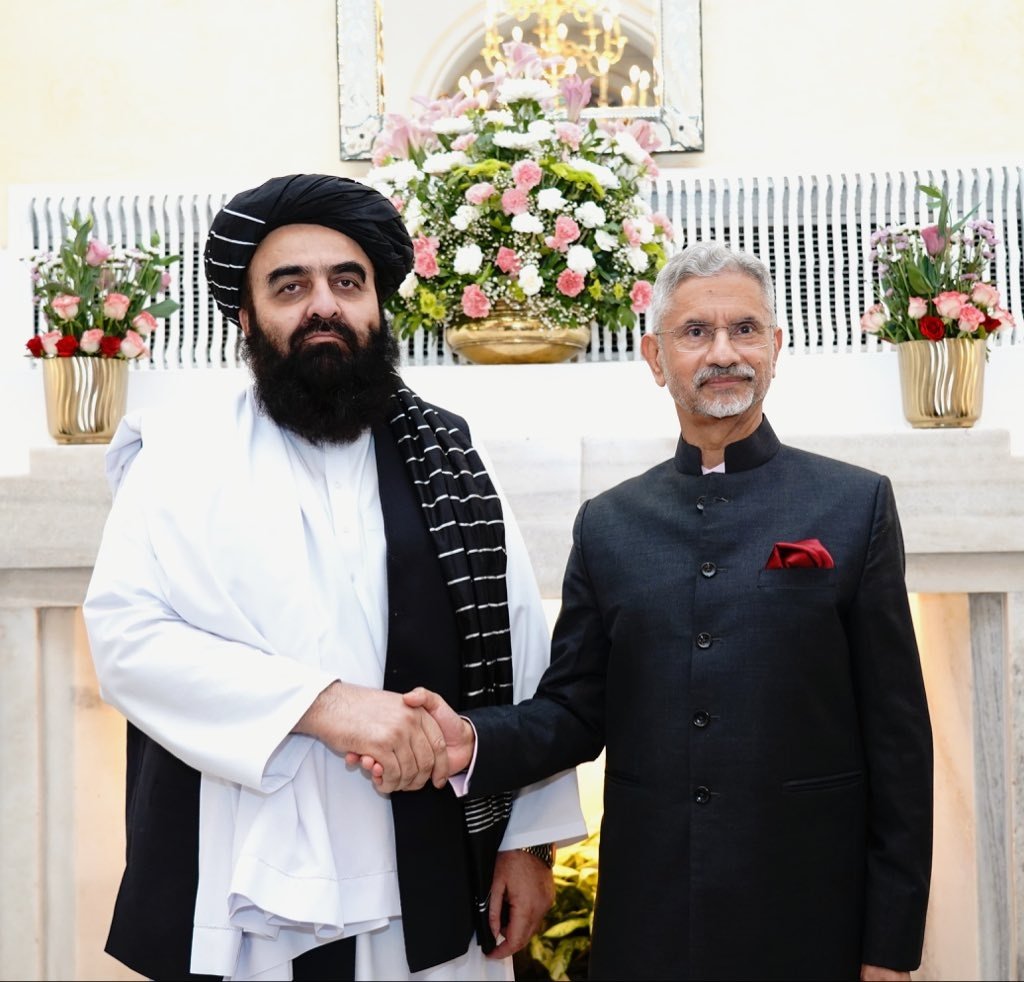
On 28 May 2026, Russian Security Council Secretary Sergei Shoigu met Afghan Defence Minister Mohammad Yaqoob in Moscow to sign a formal military cooperation agreement between the Russian state and a government that Russia’s own Supreme Court had designated a terrorist organisation until April 2025. The deal’s details have not been fully disclosed, but Yaqoob, briefing reporters at Kabul airport on his return, was narrow in his framing: Afghanistan has large stocks of Soviet-era weapons, helicopters, and aircraft that need maintenance, and those agreements must be signed with the countries that produced them. These types of defence frameworks generally cover weapons transfers, manufacturing licences, and joint research. It’s not clear whether this one does.
This agreement was not the start of Moscow’s move to Kabul. Speaking at a press briefing on the sidelines of the Shanghai Cooperation Organisation (SCO) summit in Astana in July 2024, Vladimir Putin said the Taliban is an ally in the fight against terrorism. In April 2025 Russia’s Supreme Court removed the Taliban from its list of banned terrorist organisations, and in July 2025 Moscow formally recognised the Islamic Emirate and accepted Kabul’s ambassador in Moscow. Russia remains, as of June 2026, the first and only country to formally recognise the Taliban government.Russia has also kept alive the Moscow Format on Afghanistan, a multilateral dialogue that has continued to function even as most Western-led forums on the issue have gone into hibernation. The military pact is the logical terminus of this sequence, shifting Russia-Taliban relations from diplomatic engagement to direct security cooperation.