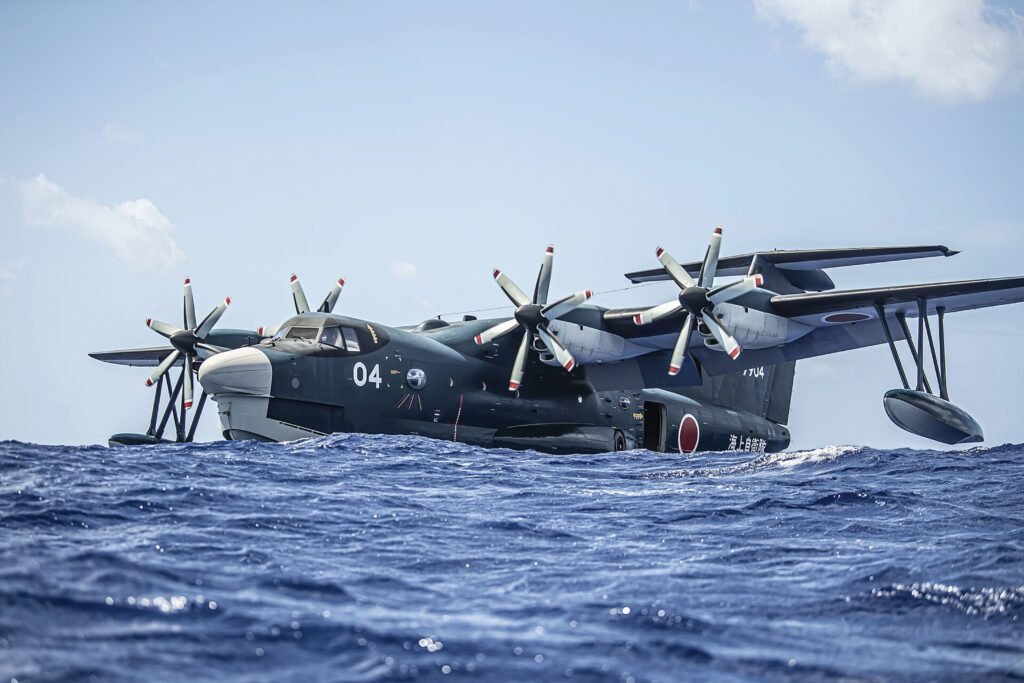
Japan’s decision to relax defence export restrictions marks one of the most consequential shifts in its post-war security policy. As Tokyo seeks stronger partnerships to navigate an increasingly contested Indo-Pacific, India has emerged as a natural partner. Can the two countries translate strategic convergence into meaningful defence-industrial cooperation?
Japan’s defence industry’s main customer throughout the country’s postwar history has been its Self-Defence Forces, owing to the renunciation of war under Article 9 of the Constitution. That is now set to change. On 21 April 2026, Prime Minister Sanae Takaichi’s cabinet unshackled the defence industry from strict export restrictions by reviewing the Three Principles on Transfer of Defense Equipment and Technology and its implementation guidelines.
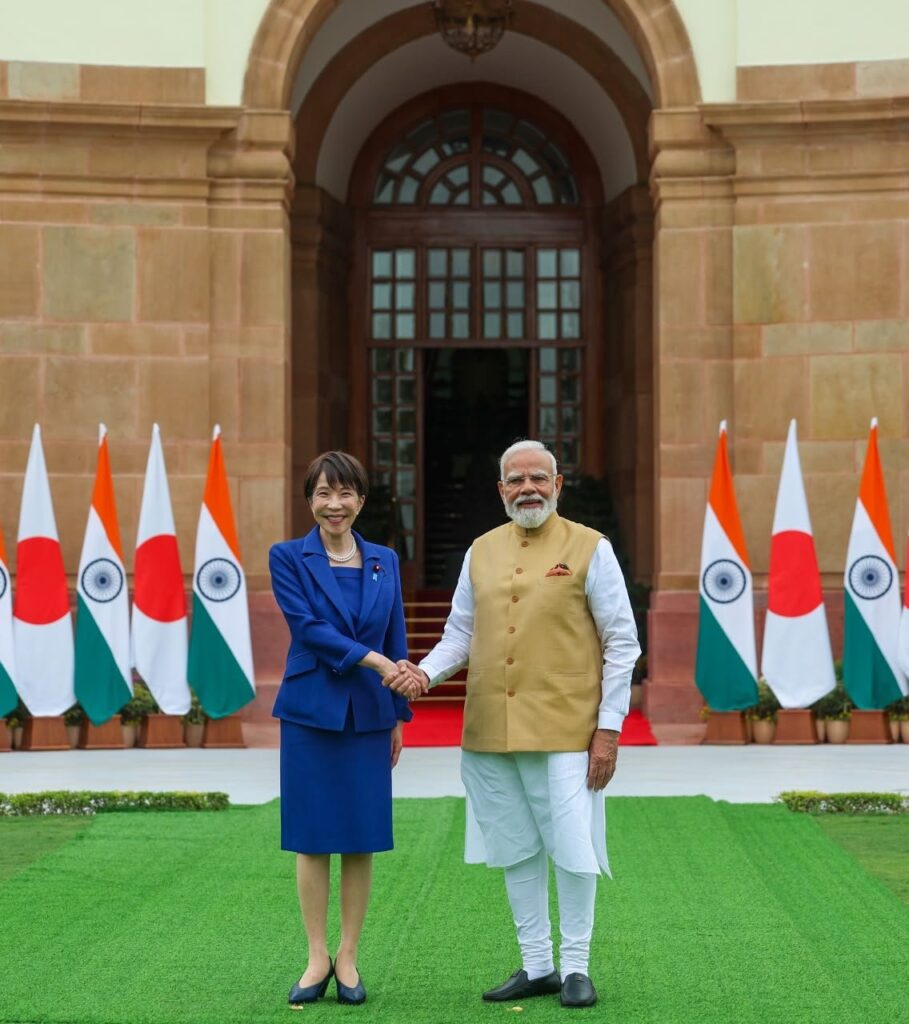
The review of the Three Principles reflects an attempt to reinforce “the deterrence and response capabilities of Japan’s allies and the like-minded countries” by sharing equipment, production bases, and maintenance facilities. Among the several revisions, the removal of the “five category rule,” which limited the transfer of defence equipment and technology related to rescue, transportation, vigilance, surveillance or minesweeping, is particularly significant. Seventeen countries that have signed the Agreement Concerning the Transfer of Defence Equipment and Technology (ETTA) with Japan are the primary recipients of the revised defence equipment export policy. India is one of them.