
From textile mills in Thailand to engineering ventures in Singapore, Indian business houses were thinking globally long before liberalisation. This rarely explored history traces how diaspora networks, Cold War trade relations, and ambitious industrialists laid the foundations of Corporate India’s global rise.
Indian big business has boldly embarked on a global acquisitions spree in the 21st century. Indian conglomerates have acquired overseas businesses, sometimes in an aggressive manner, even at the height of bull runs. Some such acquisitions have been highly symbolic. The 2008 acquisition by Tata Motors of Jaguar and Land Rover (JLR) from Ford for $2.3 billion is one example. Not only did the Tatas buy up two of the most famous brands in the car business, but they also overturned the legacies of over 200 years of British colonisation, as they acquired a “symbol of British style”—the makers of James Bond’s new wheels, Inspector Morse’s classic and the workhorse of the British army. By doing so, the Tatas daringly announced the global aspirations of Indian business. However, the global ambitions of Indian business did not emerge only in the 21st century. They have a complex and fascinating “pre-history.” This essay draws attention to the pre-1991 transnational aspirations of Indian big business, focusing on its overseas operations between 1947 and 1991.
Early Transnational Networks
The global links of Indian business may be traced back to at least the 17th century. Taking advantage of changes in the world economy and the emergence of a proto-capitalist trading system, mercantile communities based in the port-cities of the Indian Ocean region moved their capital to markets across Asia, especially Southeast Asia, West Asia, and Africa. As European trading companies expanded their operations, Indian merchants played an important role in integrating the world economy. European traders needed collaborators to help acquire the commodities they desired for export and to maintain their trading outposts. Mercantile communities provided the vital link between the primarily subsistence economies of Asia and the rest of the world. They became indispensable as providers of rural credit, senders of remittances, and intermediaries of Western capital as it penetrated the domestic economies of different regions. Amongst the prominent communities were the Chettiars, Sindhis, the Parsis, the Gujaratis (esp. the Kachchis, Bohras, Khoja Ismailis, and Memons) and, not least, the Marwaris. Chinese and Arab merchants also played a similar role in working closely with the European trading companies.
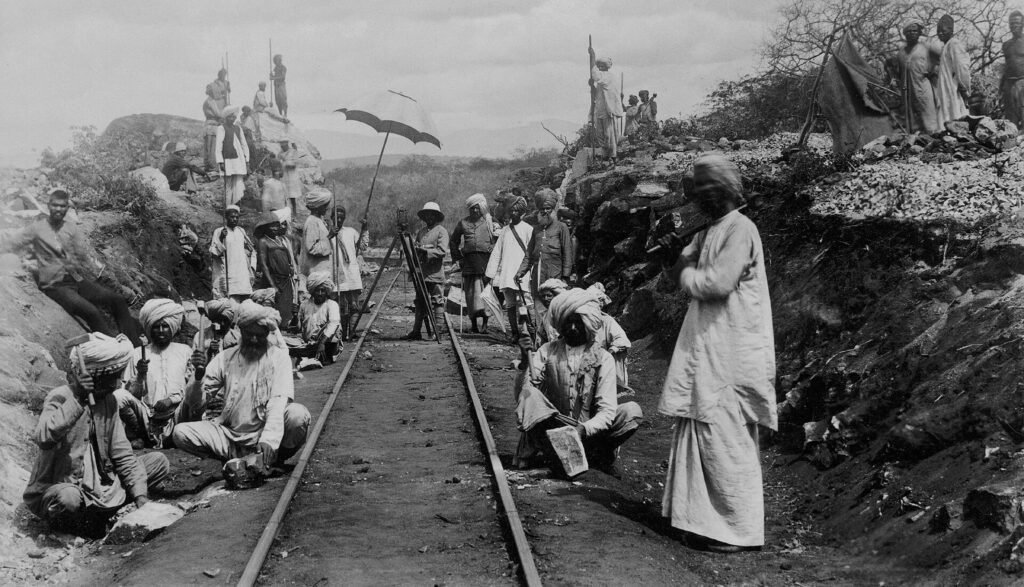
Thanks to the conditions created by colonialism, these specialised mercantile communities performed business functions in the new locales in which they settled. They moved in larger numbers in the 19th century and, as providers of capital, played a critical role in the emergence of the plantation economy in Ceylon, in the expansion of rice cultivation in Burma, and the setting up of tin and rubber plantations in Malaya. While these communities mainly restricted themselves to trading and money-lending, there is evidence that, by the 1930s, some groups had accumulated enough capital to enter into non-trading activities such as rice milling in Thailand, timber mills in Burma, and rubber plantations in Malaya. Thus, there existed before 1947 a well-entrenched network of specialist mercantile communities spread across Asia and parts of Africa, with close links to India and imbued with an entrepreneurial zeal.
Looking towards Transnational Markets
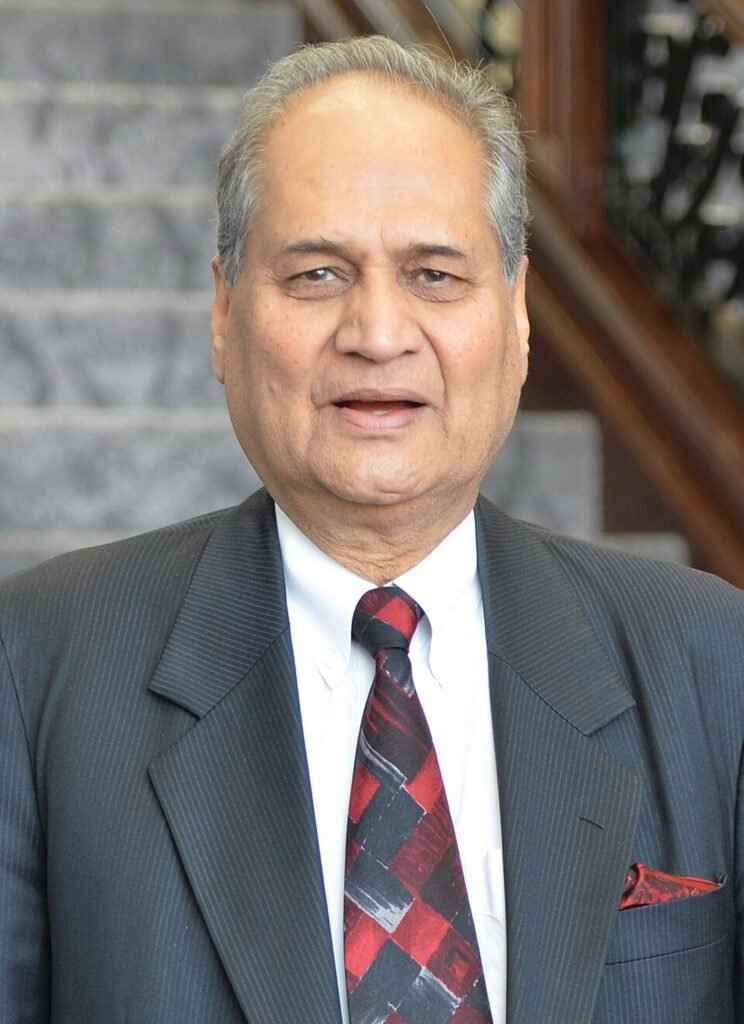
However, it is only in the 1950s and 1960s that one finds signs of Indian business conglomerates venturing beyond the shores of India. From the mid-1950s, business groups began to orient themselves for the global market at both the firm level and at the level of chambers of commerce and trade bodies. Many firms identified areas of core competencies for collaboration, explored markets for joint ventures and searched for partners. Further, the younger generation of business heirs was groomed to take on the task of global expansion. Potential heirs were sent overseas for training to give them international exposure. The Massachusetts Institute of Technology (MIT) became a favoured destination. Adi Godrej, the scion of the Godrej Group, enrolled there in 1959 to study engineering, and Aditya Birla joined in 1962 to study chemical engineering. The Birlas deepened their relationship with MIT by setting up the Birla Institute of Technology and Science (BITS) in Pilani in 1964 in partnership with the institute. BITS was modelled on MIT. Ratan Tata went to Cornell in 1959 and credited his architectural training there for preparing him for later business challenges. Likewise, Rahul Bajaj went to the Harvard Business School in 1962. Many of them credited their business successes and global outlook to the years spent in these prestigious U.S. institutions.
Mercantile communities provided the vital link between the primarily subsistence economies of Asia and the rest of the world
Business chambers and trade bodies also played a part in promoting networks and collaborations to help firms take the transnational route. The Federation of Indian Chambers of Commerce and Industry (FICCI), the apex body of Indian business, sent trade delegations almost every year from the 1950s onwards to different countries in Asia, the US, Europe, and Africa. Some were state-sponsored delegations as part of the Government’s efforts to develop trade relations with particular regions, but many were independent initiatives of the Federation. Delegations were intended to promote the export of capital goods and equipment. In 1964–5, for instance, state-sponsored delegations went to the English and French-speaking countries of Africa. Then, in 1968–69, the government sponsored trade delegations to Malaysia and Latin American countries, as a follow-up to a state visit by Prime Minister Indira Gandhi.

In 1965, FICCI hosted the Twentieth Congress of the International Chamber of Commerce (ICC) in New Delhi, a first for India. It was attended by over 1,000 foreign delegates representing multinationals and chambers of commerce from across the world. At its inaugural session, Prime Minister Lal Bahadur Shastri commended the role of foreign capital as “filling the gap between requirements and availability of industrial capital, for exchange and technical know-how.” He expressed the Indian state’s eagerness to attract foreign investors, asking them to empathise with the constraints of a developing country such as India.
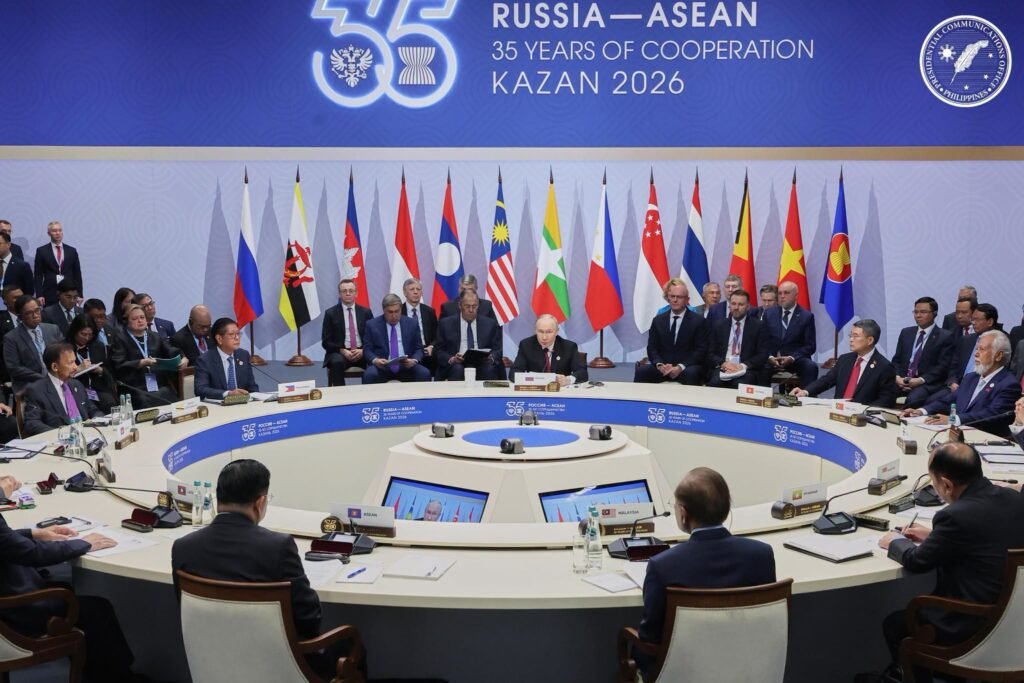
At the height of the Cold War, in 1965 FICCI became part of the Confederation of Asian Chambers of Commerce and Industry (CACCI), whose membership included the Australian Chamber of Commerce and Industry, the Chinese National Association of Industry and Commerce (CNAIC), the Korea Chamber of Commerce, the Philippine Chamber of Commerce, and chambers from other countries including Japan and New Zealand, as well as others from across the Asia-Pacific. The fifth conference of the CACCI was held in India in 1974 and further emphasised the need for intra-Asian business cooperation.
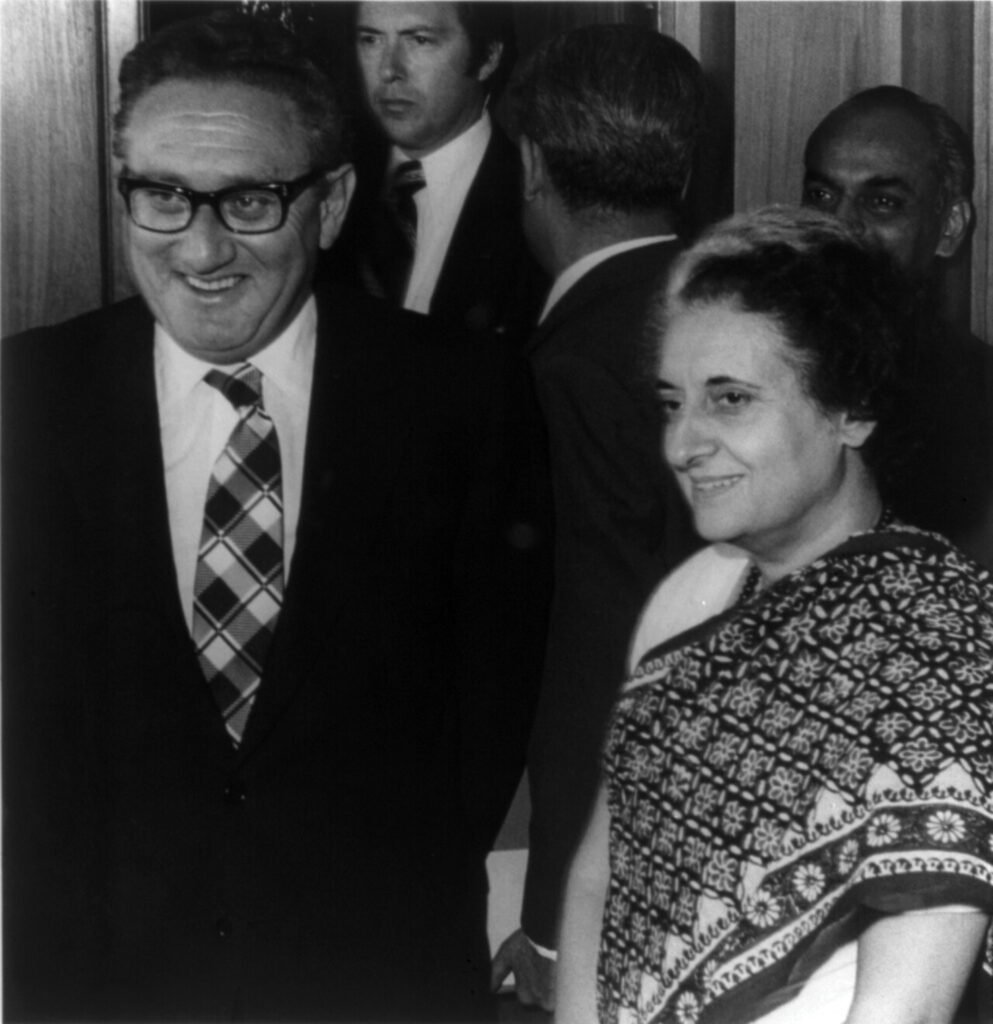
As part of its overseas outreach efforts, the Indo–Japan Business Cooperation Committee was established in 1966. The Indo–US Joint Business Council was established in 1974, at the initiative of FICCI and the U.S. Chamber of Commerce, following PM Indira Gandhi’s visit to the USA. As a follow-up, U.S. Secretary of State Henry Kissinger visited India to explore possibilities of Indo-American joint ventures in third countries. The first meeting of the Council was held in Delhi in 1976.
Organisations such as joint business councils, which linked India to developed nations (the United States, Japan, and Germany), were intended to encourage foreign investment in India, promote the export of Indian manufactured goods, and persuade industrialists in those countries to collaborate with Indian industry in setting up joint ventures in third countries. Similar joint business councils were also established with countries such as Iran and South Korea.
Important initiatives in the 1980s included the establishment of the Council of European Economic Community Chambers of Commerce in India in 1982. In 1987, the ICC (International Chamber of Commerce) met once again in India. Large numbers of Indian business delegations visited a number of countries, such as Spain, Portugal, Belgium, and France, in the 1980s, not only to promote trade but to scout for the transfer of technology and seek joint ventures.
These initiatives proved invaluable as business groups searched for new markets. They fostered trade connections, served as networking platforms, and helped business houses navigate international markets as they expanded their global reach.
Trajectories of three Transnational Conglomerates
Let us consider the trajectories of three Indian conglomerates which emerged as front-runners in establishing Indian corporate presence globally. The pioneer was clearly the Birla Group, which first entered Ethiopia in 1959 through a textile joint venture under the leadership of its founder, G. D. Birla, who was later bestowed one of Ethiopia’s highest honours by Emperor Haile Selassie. However, from the 1960s, the Birla Group deliberately searched for opportunities overseas, under its young scion Aditya Birla. Frustrated both by the hurdles in the way of industrial expansion of larger groups under the state’s policy of centralised investment planning, official rejections of requests for expansion of capacity by existing firms, red tape and difficulties in raising investment and the regime’s discouragement of foreign capital, which deprived business of the benefits of new technology, Aditya Birla strategised about entering overseas emerging markets. Southeast Asia seemed to be the ideal point of entry because of its large and resourceful Indian diaspora, and as opportunities for investment were opening up with the region, which was then making the shift from protectionism and import-substitution towards a more outward-looking orientation, attracting foreign investment, and aspiring for rapid industrialisation.
It is only in the 1950s and 1960s that one finds signs of Indian business conglomerates venturing beyond the shores of India
Yet, there were hurdles to be overcome. Export of capital from India or funds for joint ventures were disallowed as it was seen as depriving India of scarce capital that would be better invested at home. However, export of machinery, plant, and equipment was permitted, a legacy of the 1950s Mahalanobis model of capital goods-led industrialisation. The Birla Group found ways to work around these difficulties. Their first joint venture, Indo-Thai Synthetics Ltd., a yarn manufacturing company, was set up in Thailand in 1969. The Thai state assured the Birlas of an eight-year tax holiday, concessional land, and no government interference. For its capital needs, the Birlas tapped into the Indian diaspora and local investors, who provided 75% of the equity for the venture, while the Birlas brought the expertise, machinery, and technology. Restrictions on repatriation of profits back home became an opportunity as they sought to further invest in the region in which they were expanding.
For the Birlas, there was now no looking back. Over the next twelve years, the Aditya Birla Group aggressively expanded in Malaysia, Thailand, Indonesia, and the Philippines, emerging as an early Indian multinational by the 1970s. The same expansion strategy was deployed in all these joint ventures: capital was raised locally from the Indian diaspora and local investors, while the machinery, management, and expertise came from the home firm. By the late 1970s, the Birlas had over a dozen companies across Southeast Asia. By 1997, they had factories and offices across 23 countries, with an annual turnover of $3 billion. With the intention of trying to convince the Indian state to change its policies, Aditya Birla now took it upon himself the responsibility of speaking about the ease of doing business overseas.
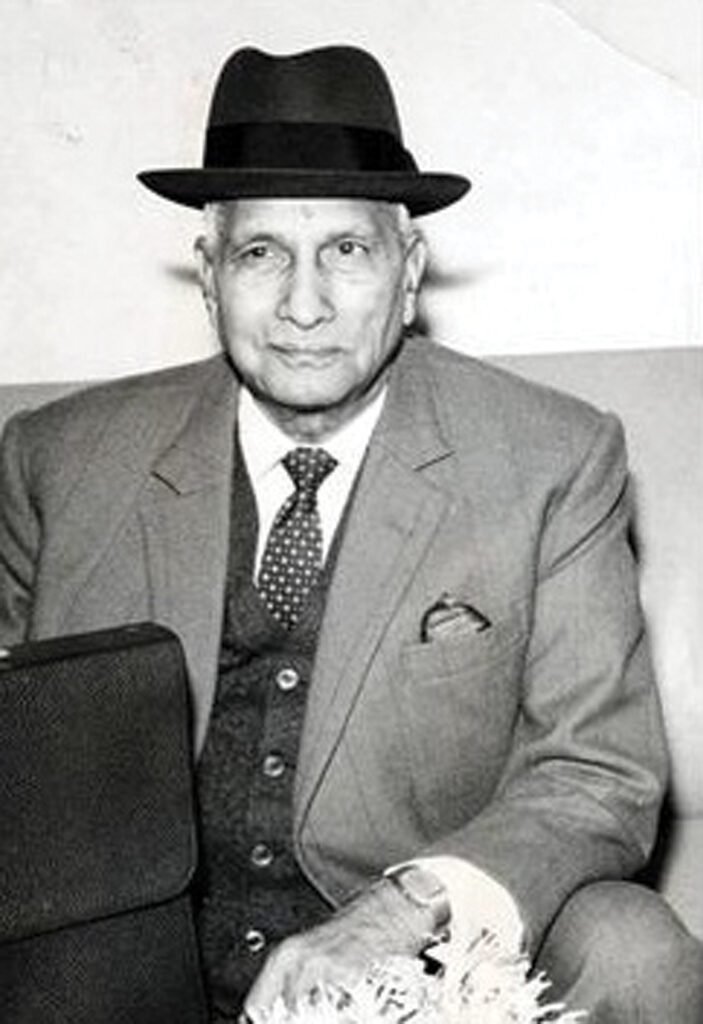
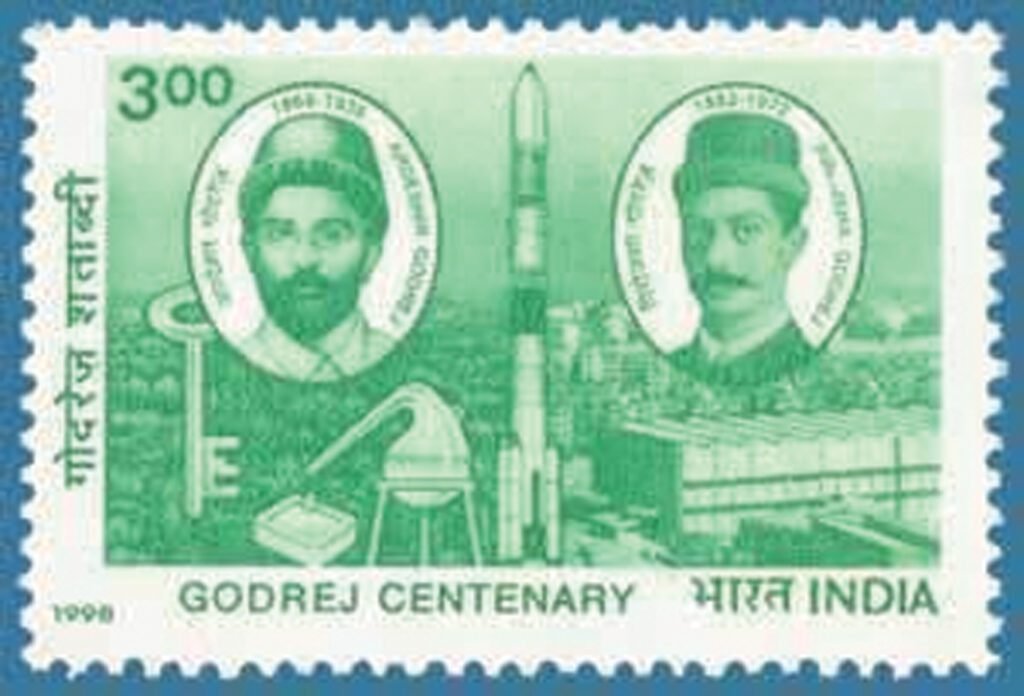
Another conglomerate which was eager from the 1960s to turn transnational was the Godrej group. Sohrab P. Godrej, son of Ardeshir Godrej, the founder, began to search for markets much before he came to helm the group in 1973. In his search for opportunities for joint ventures and collaborations for technology transfer, Sohrab visited almost 160 countries. He also participated in a number of trade delegations and launched a vigorous export drive in 1967 to boost exports of Godrej products to Russia, East Africa, the Middle East, and the Gulf countries. Through the 1970s and 1980s, Sohrab pursued the global agenda both for his own firm and in the interest of Indian business on the whole. A number of initiatives stand out, such as his involvement with the Indo–French Technical Association (IFTA), which was founded in Mumbai in 1966 to promote specialised training, of which he was President for three decades from 1970 onwards, and his association with the Indo-French Chamber of Commerce, founded in 1977, where he served as vice-president and later president.
The Godrej’s earliest overseas endeavours had been unsuccessful. Interested in entering Iran in the 1950s, they faced disappointment as the regime under the Shah was not encouraging. Then, they entered a joint venture in Indonesia, but it did not last beyond ten years as relations with their business partner soured. Success finally came in Malaysia, as its then Prime Minister Tunku Abdul Rahman offered Godrej a number of concessions, including a tax holiday. As a result, Godrej Boyce, a steel furniture manufacturing plant, was established in Johor Bahru in 1967. Following the separation of Singapore and Malaysia in 1965, a decision was taken to enter Singapore with the incorporation of Godrej Singapore in 1972.
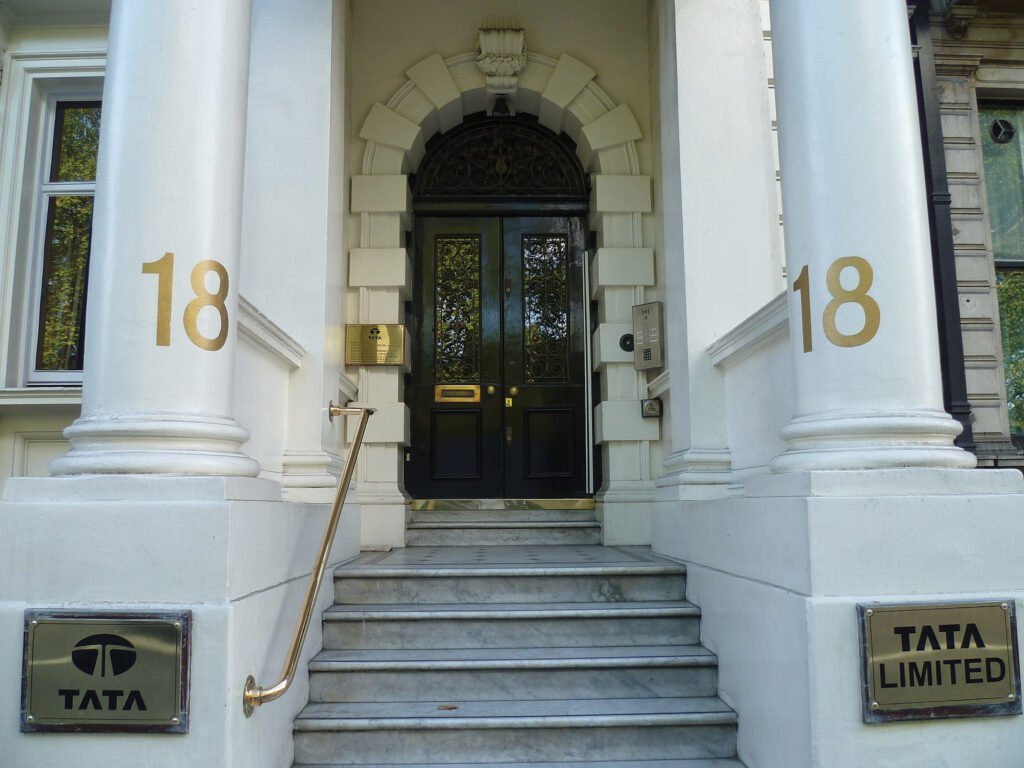
Amongst business houses which emerged as the leading Indian transnationals were also the Tatas, who were slower in the race, even though they had as early as 1907 signified global ambitions when they opened their first overseas office in London. In the Second World War, their light armoured car was used extensively by the British army engaged on the North African front. After the war, the Tatas established a representative office in New York. Some foreign collaborations followed in the 1950s, such as that between Tata Motors and Daimler-Benz in 1954 to manufacture heavy-duty trucks. However, it was trading that took priority, especially after the setting up of Commercial and Industrial Exports Limited (Tata International) in 1962, which was the Group’s global trading and distribution firm. Despite a transnational outlook, ironically, the Tatas had no major joint ventures outside India before 1970.
The Tatas’ global efforts commenced in Singapore, where they were invited in 1972 to set up Tata Precision Engineering, to make high-precision machinery and provide engineering services. In collaboration with the Singapore government, they also started a training centre, the Tata Government Training Centre (TGTC). Singapore became the springboard for the group in Southeast Asia, and by 1981, it had a significant presence in truck assembly operations and precision tool manufacturers in the region.
The global ambitions of Indian business did not emerge only in the 21st century. They have a complex and fascinating “pre-history”
It was Ratan Tata who, after assuming the chairmanship in 1991, reshaped the Tata Group into a multinational conglomerate with the target of bringing in half of all revenues from overseas. Some businesses, like Tata Consultancy Services (TCS), had grown exponentially in North America, the United Kingdom, and the Asia-Pacific by providing customised software products and services. Post-liberalisation from 1991 to 2003, the Tata Group acquired, on average, one company every year. This scale grew: in 2004, they acquired five firms, in 2005, it was twelve and in 2006, more than twenty. Most significant among these have been the acquisition of Tetley Tea in 2000, Corus Steel in 2007, and Jaguar Land Rover in 2008. By 2010, it was one of the best-known Indian global conglomerates across at least ten verticals, including financial services, technology, telecom, steel, aerospace and defence, infrastructure, tourism and travel, and consumer and retail.
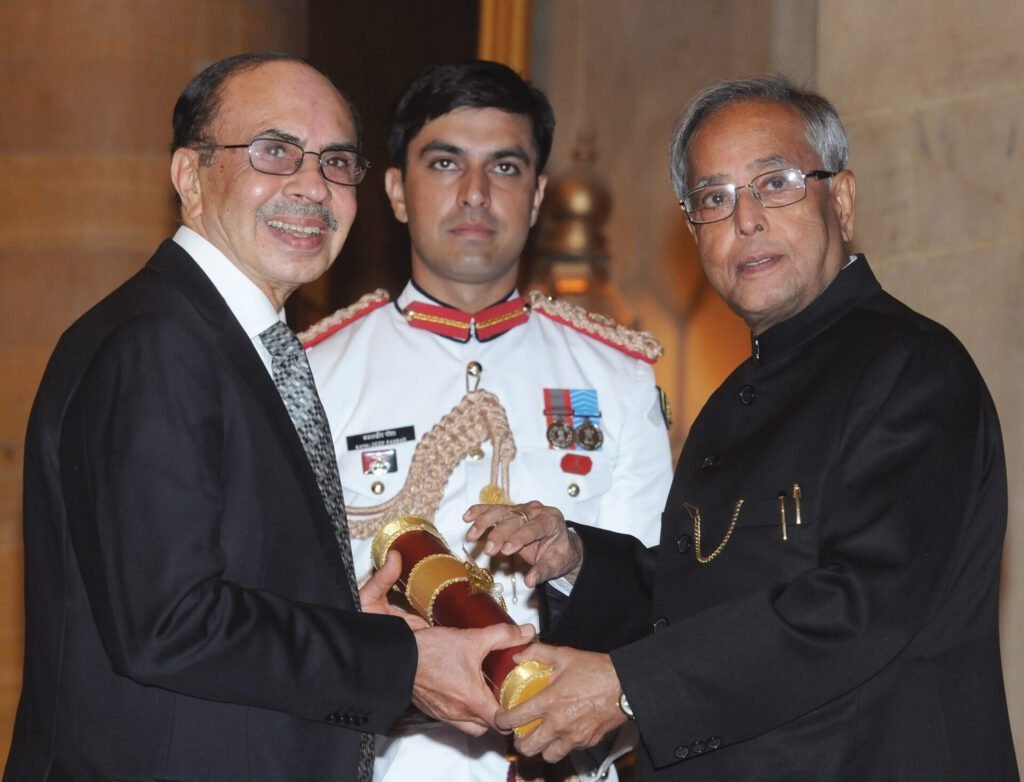
Constraints of space do not allow a discussion of the several other Indian business groups which ventured overseas in the 1970s and 1980s, such as the Thapar group, Mahindra and Mahindra, the Kirloskars and the JK group, while newer groups like the Ambanis also slowly gained momentum.
Early measures towards liberalisation in the 1980s were taken by Prime Minister Rajiv Gandhi in sectors such as telecommunications and information technology, later producing spectacular results. TCS, which had been set up in 1968, and newer firms such as Infosys Technologies, Wipro and Hindustan Computers Limited reaped the benefits of these measures. In 1999, Infosys Technologies became the first Indian company to be listed on the New York Stock Exchange.
It is noteworthy that when the game-changing reforms of 1991 dismantled the “license permit raj” and broke the shackles which had held back private enterprise, Indian business houses were well prepared to face the challenge of competition within the domestic market and to look at opportunities abroad. Corporate India’s shopping sprees gained momentum as companies’ balance sheets grew with the growth of the economy, and regulators turned more encouraging.