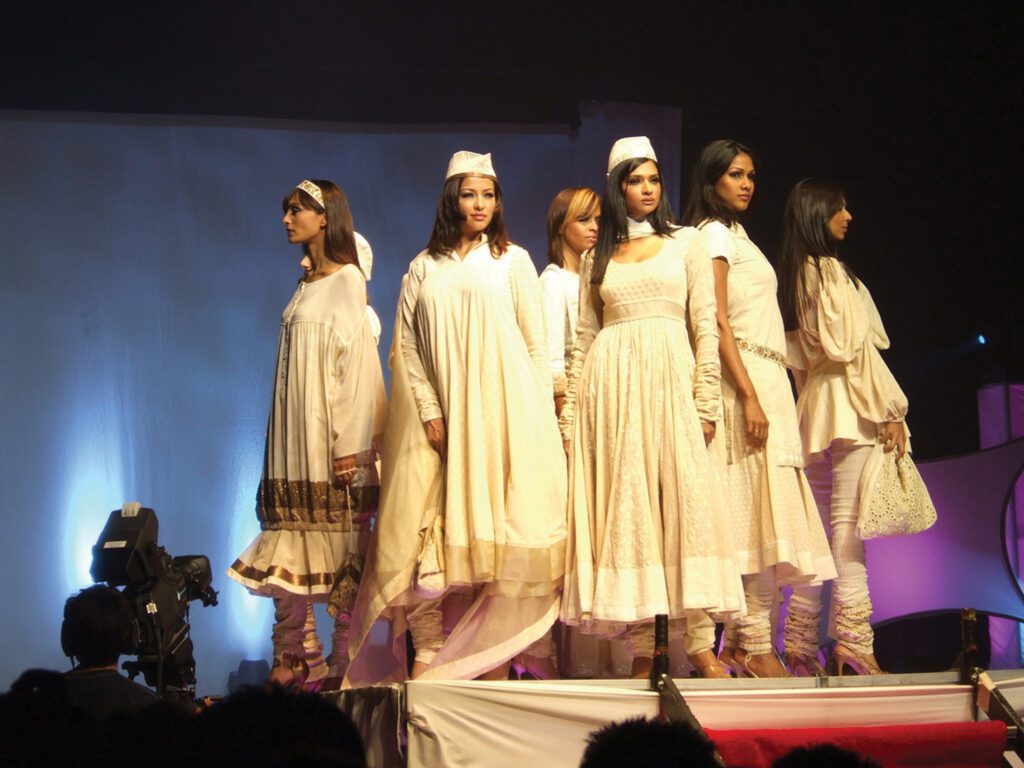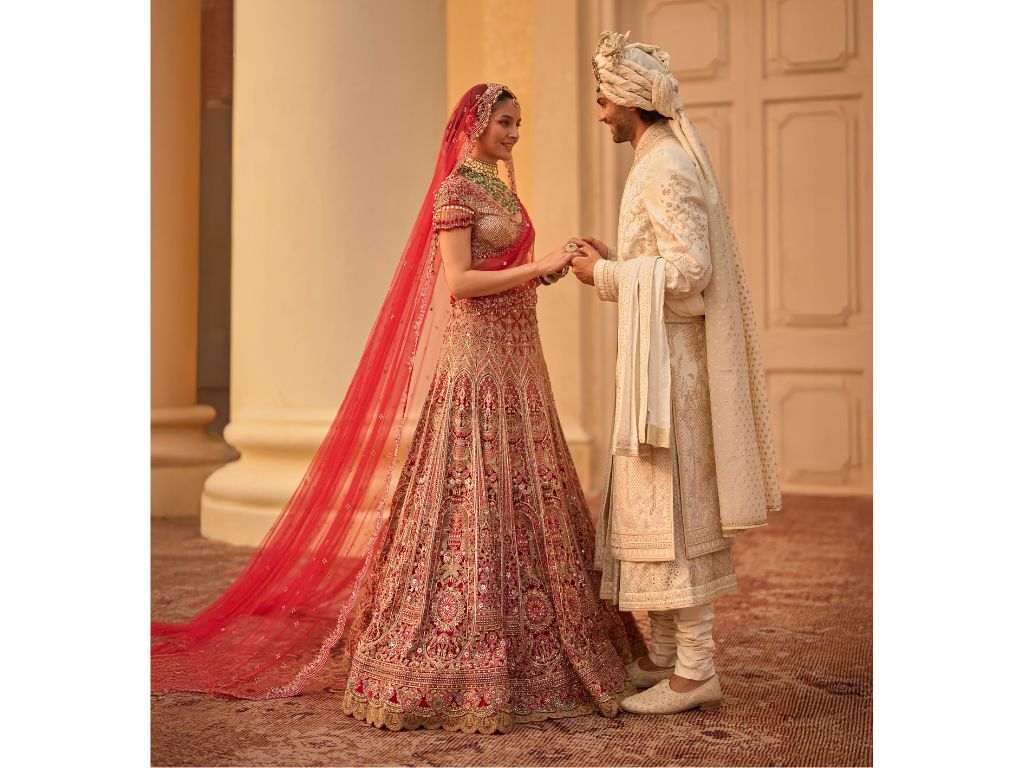
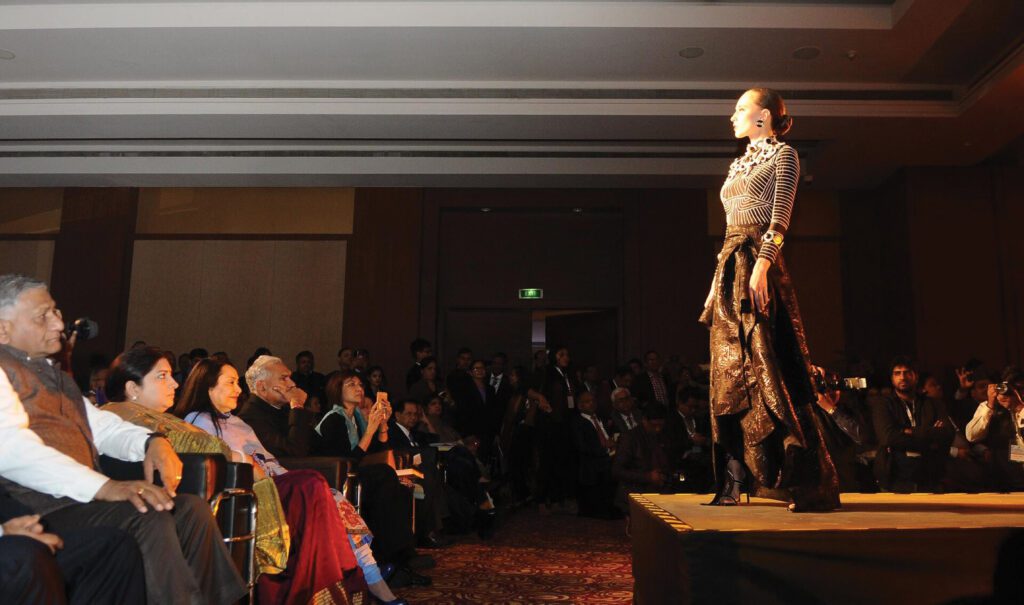
Few fabrics align as naturally with contemporary fashion trends as Khadi. Its low environmental footprint, artisanal production, and cultural significance make it well suited to an era increasingly defined by sustainability-conscious consumers. But as India secures greater market access through trade agreements, a critical question remains: are FTAs alone enough for Khadi to achieve global prominence?
India’s recent Free Trade Agreements (FTAs) with the United Kingdom, the European Union (EU), and New Zealand present enormous growth opportunities for the Indian export sector. Among the various export sectors, textiles and garments have received strong attention as the volume of exports to these countries is already high. For instance, India is the fifth-largest exporter of textiles to the UK and was subject to import tariffs of 8 to 12% prior to the FTA. Now Indian exporters can benefit from zero-duty access to UK market and a level playing field with its competitors, such as Bangladesh, Vietnam, and Pakistan, which were already enjoying duty-free status from their respective trading agreements.