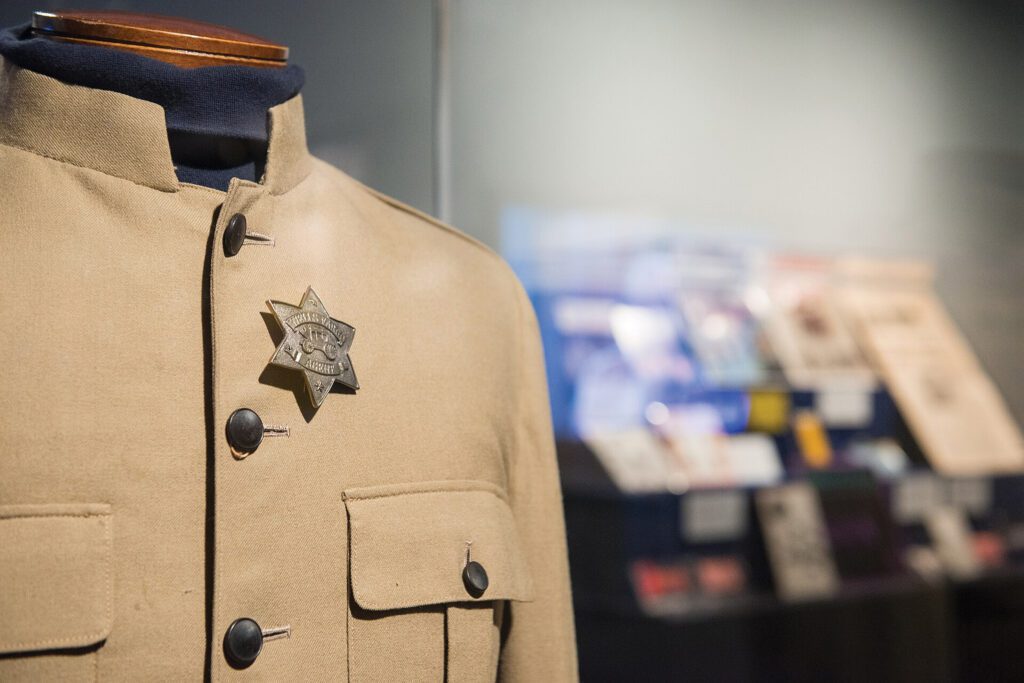
What should the leaders of a newly independent nation wear? In the years after 1947, this seemingly simple question prompted a prolonged discussion at the highest levels of government. At stake was far more than dress. It was about how India would present itself to the world, and to itself.
The Beatles wore a hip-length, standing-collared, single-breasted jacket to their iconic concert at Shea Stadium in New York City on 15 August 1965. Inspired by Nehru’s achkan, the garment exploded onto the fashion scene soon thereafter. Named the Nehru Jacket—ironically, considering that Nehru probably never wore the eponymous jacket, his achkan being knee-length—the fashion magazine Vogue called it the garb of “virile new romantics”. Decades later, Time Magazine would include it in its “10 Top Political Fashion Statements.”
The Jacket, in its various versions, embodied the ideals of the youth of the 1960s who, according to fashion historian Gwyn Conway, “yearn[ed] to move on from the somber three-piece suits and restrictive neckties.” In these raging years of youth revolt—hippie counterculture, women’s rights, civil rights movement, and anti-Vietnam War protests—the Nehru jacket, with its minimalist ethic, represented an anti-colonial, modernist, social democratic ideal.






1-1024x768.jpg)