Long before the world started wearing Korean fashion, it was listening to Korean music, watching Korean dramas, and buying Korean skincare. This is the story of how South Korea turned cultural fascination into commercial success and built one of the world’s most influential fashion ecosystems.
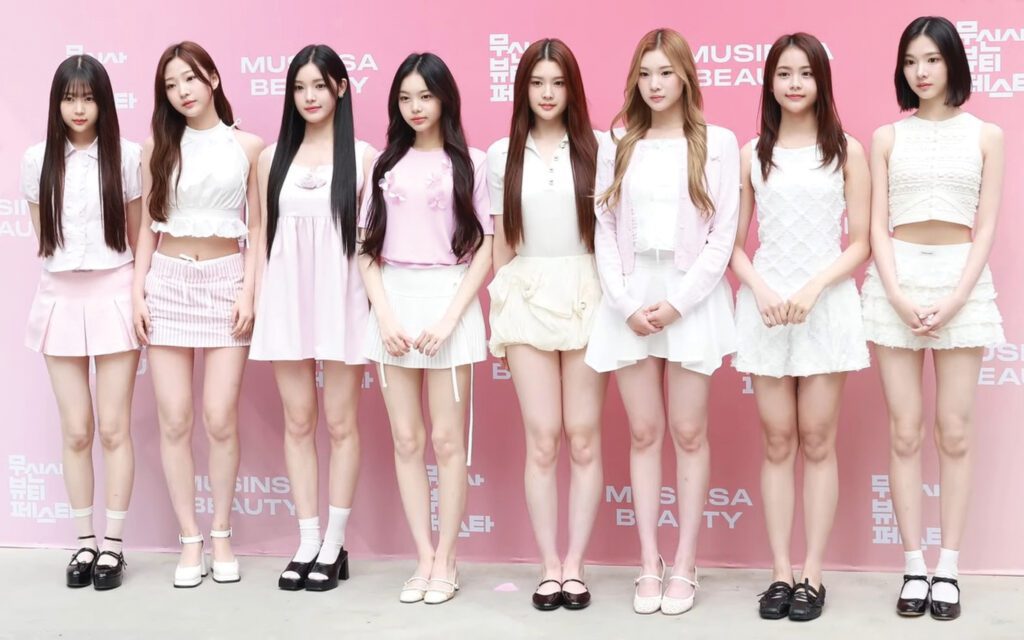
In April 2026, Musinsa, the largest Korean online fashion platform, opened its pop-up store in Shibuya, Tokyo. Within three days, over 13,000 visitors came through the doors of the shop, most of them Japanese Gen Z, who travelled even from Hokkaido and Kyushu regions to buy about 80 Korean brands, which their parents had never heard of. A few months later, shoppers queued for 400 meters outside the first Pasadena branch of Olive Young, Korea’s largest beauty retailer. Ten years ago, such scenes would have been unthinkable. Korean style, both what Koreans put on their faces and what they put on for fashion, has become a real-world trend. But it did not happen overnight, and it started not with fashion. The history of how Korean fashion became global is the story of a slow build, one step at a time.