Deadlock at the 2026 NPT RevCon
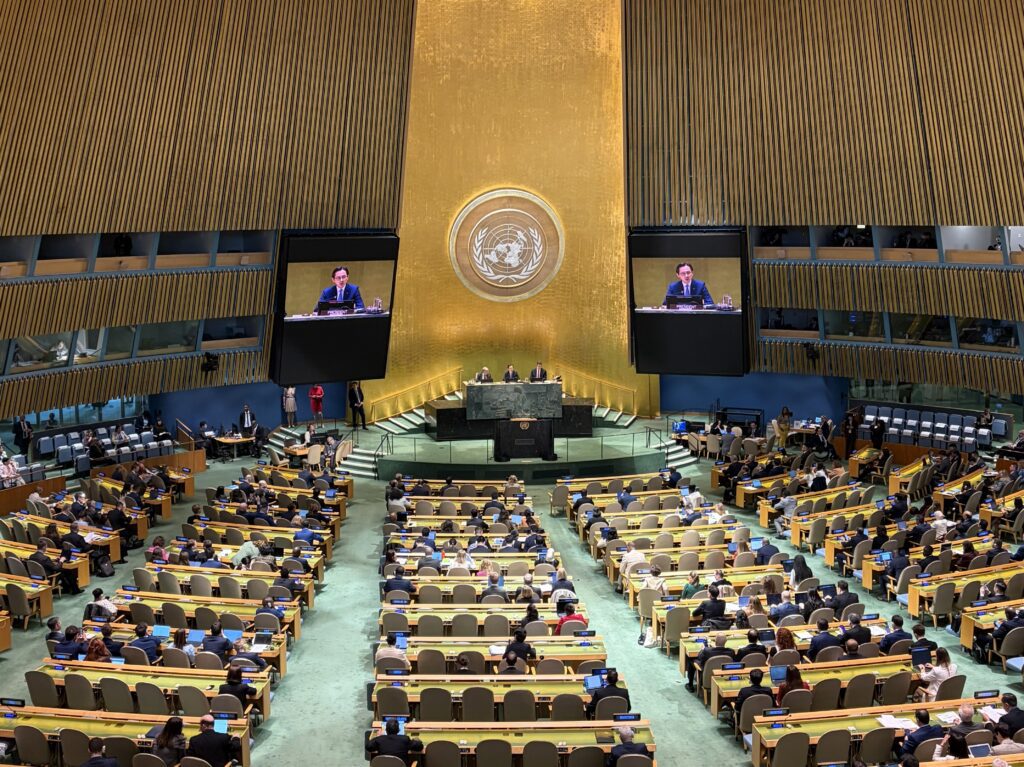
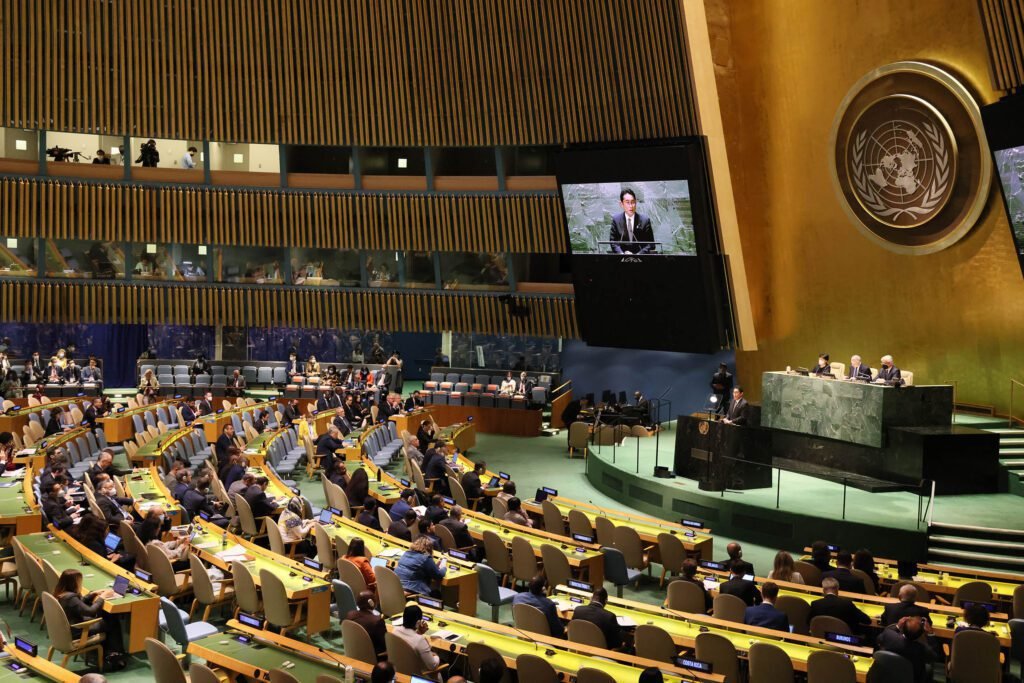
After four weeks of negotiations in New York, the 2026 Nuclear Non-Proliferation Treaty Review Conference ended on 22 May, unsurprisingly, without an agreed outcome document. This is the third Review Conference in a row to close in this manner, following 2015 and 2022, underlining the continued erosion of consensus-building capacity within the treaty’s review process.
The conference this year was dominated by the same set of fault lines that have been visible for some time now: Iran’s civil nuclear programme, attacks on nuclear facilities, the continued modernisation of nuclear arsenals, and concerns about a possible return to nuclear testing as arms control arrangements weaken.
Across successive drafts, negotiators tried to dilute politically sensitive references in order to preserve any achievable consensus. However, by the final version, much of what had originally been on the table had either been thinned out or removed altogether. Provisions on nuclear sharing and extended deterrence, the integration of AI into nuclear command and control, the DPRK question, and any mention of the Zaporizhzhia plant were dropped from the text. The language on transparency and reporting was further softened; while the paragraph on Iran remained in brackets. Despite such a heavily pared-back draft, devoid of much political and security framing, the conference failed to secure agreement.