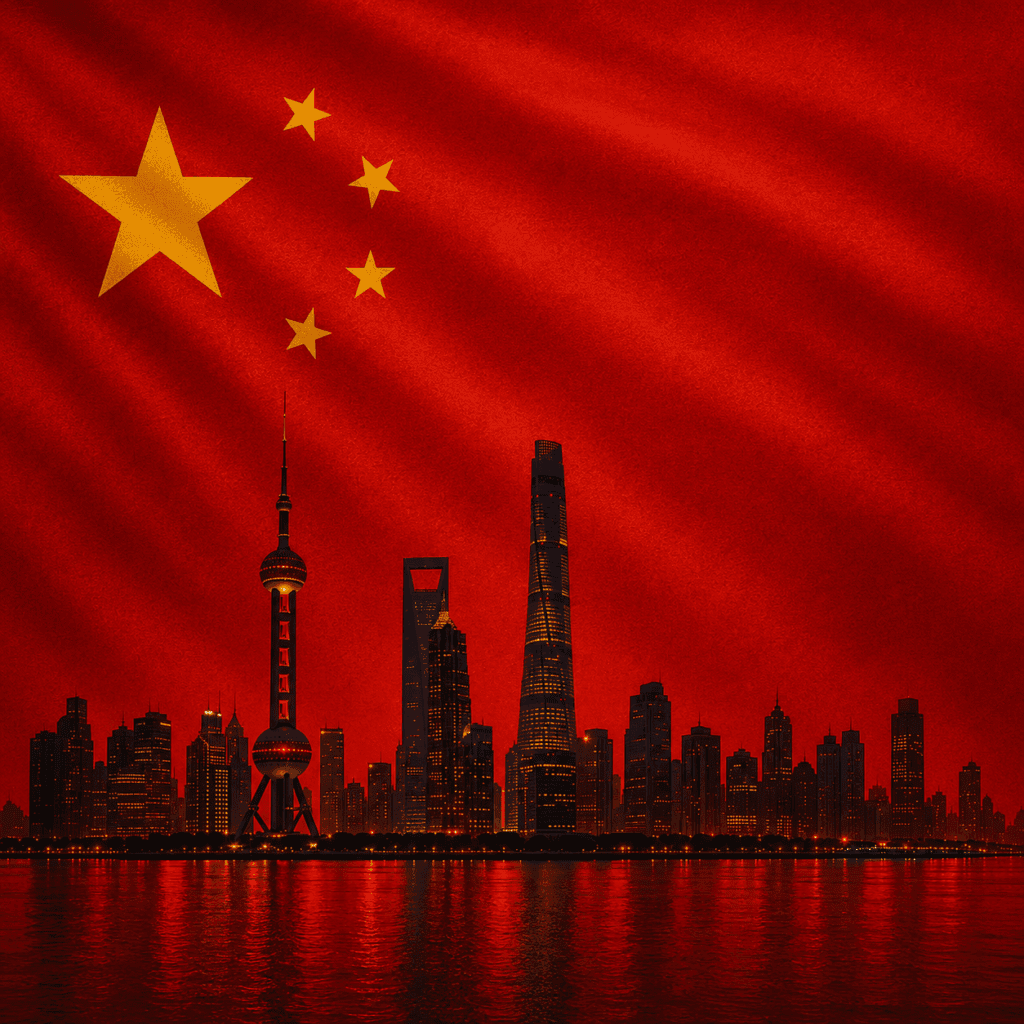
The 2026 World Artificial Intelligence Conference in Shanghai saw the formal launch of a new intergovernmental body backed by 29 countries. It marks Beijing’s transition from AI competitor to aspiring architect of the global AI governance order.
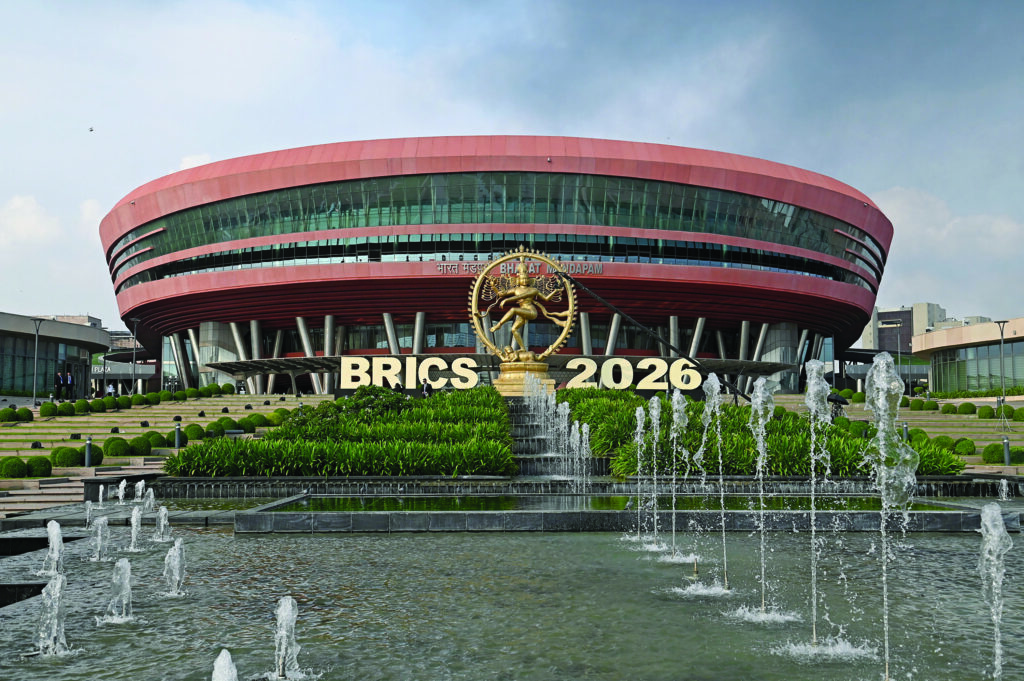
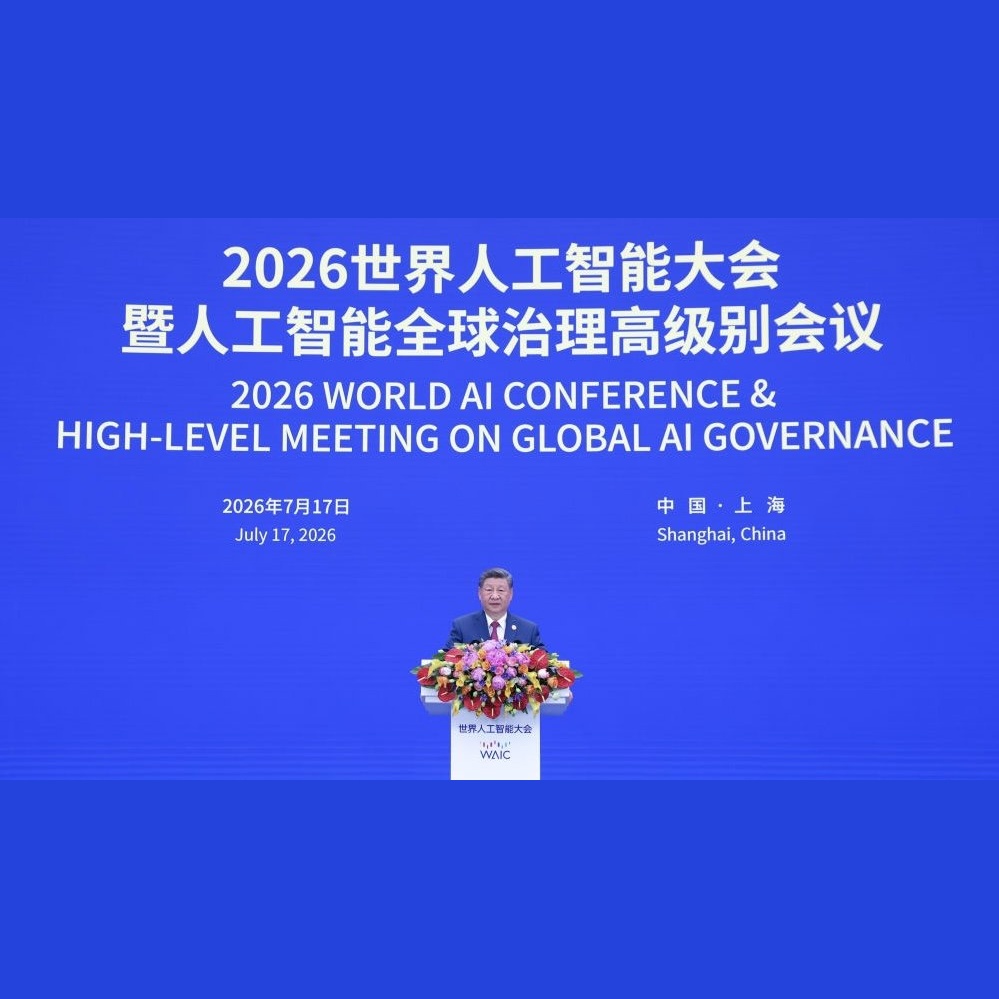
On 16 July 2026, representatives from 29 countries signed a founding agreement in Shanghai establishing the World Artificial Intelligence Cooperation Organization (WAICO), a new intergovernmental body headquartered in the city. The signing ceremony, held a day before the annual World Artificial Intelligence Conference (WAIC), was attended by UN Secretary-General António Guterres, the deputy prime ministers of Kazakhstan, Laos and Pakistan, and Chinese Foreign Minister Wang Yi. In his keynote address the following day, President Xi Jinping declared that “AI development should not be a solo performance by a single country, but a symphony of international cooperation”. He announced 5,000 AI training opportunities for developing countries over the next five years, regional cooperation centres with ASEAN, the African Union and BRICS, and expanded support for deploying Chinese AI applications abroad.
Viewed solely as a conference outcome, these announcements might appear routine. In reality, the Shanghai summit represents a qualitative shift in China’s approach to artificial intelligence. Beijing is no longer content with competing on model performance and computing power. It is building the institutional architecture through which it hopes to shape how AI is governed, distributed and regulated across the world. The contest over AI has expanded from a technological race into a struggle over who writes the rules.
From Principles to Institutions
WAICO is the product of a deliberate, multi-year diplomatic strategy. In 2023, China launched its Global AI Governance Initiative, arguing that international cooperation should balance innovation with safety while addressing the developmental concerns of emerging economies. A year later, Beijing introduced an AI Capacity-Building Action Plan aimed at equipping developing countries with AI infrastructure and technical expertise. Premier Li Qiang formally proposed the creation of an international AI cooperation organisation at the 2025 WAIC. The founding agreement signed this July transforms that proposal into a standing institution with a Council, a Secretariat and a mandate covering capacity-building, technical standards, interoperability, open-source ecosystems and coordination with UN processes.
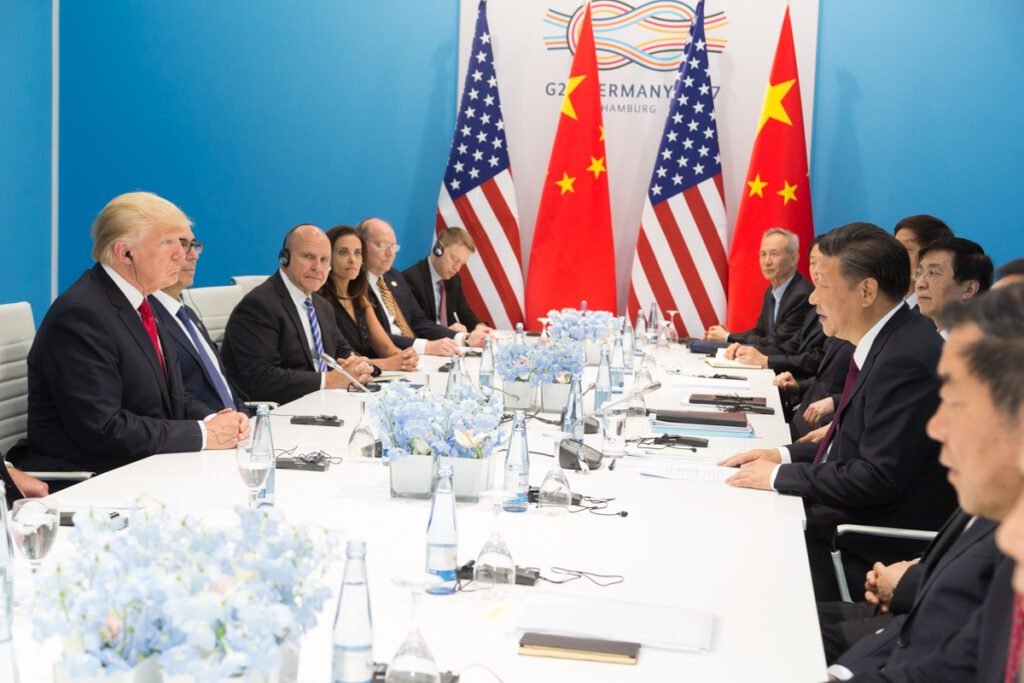
The founding membership is instructive. It includes Russia, Pakistan, Indonesia, Brazil, South Africa, Malaysia, Cambodia, Laos, Myanmar, Kazakhstan and Kenya, among others. No Western or strongly Western-aligned country is among them, nor are any expected to join. This composition reflects the geopolitical fault lines now running through AI governance. As Arindrajit Basu of the Carnegie Endowment for International Peace observes, “With Washington rapidly retreating from global cyber and AI norms-setting processes and withdrawing its financial backing for cyber diplomacy more broadly, Beijing is keen to demonstrate its global leadership”. In doing so, he argues, “it hopes to receive buy-in for its state-centric governance vision of technology from the Global South”.
The Shanghai conference produced more than a single organisation. Beijing also released action plans on AI cooperation and development and international AI ethics and governance, alongside a Global Cooperation Initiative on Agent Mutual Trust, Interconnection, and Interoperability. Basu Chandola of the Observer Research Foundation describes the combined package as a strategy of “selective shaping”: rather than attempting to redesign every aspect of global AI governance, China is concentrating on domains where it enjoys comparative advantages, particularly technical standards, capacity-building and coalition-building among developing countries.
Washington and Beijing: Competing Frameworks
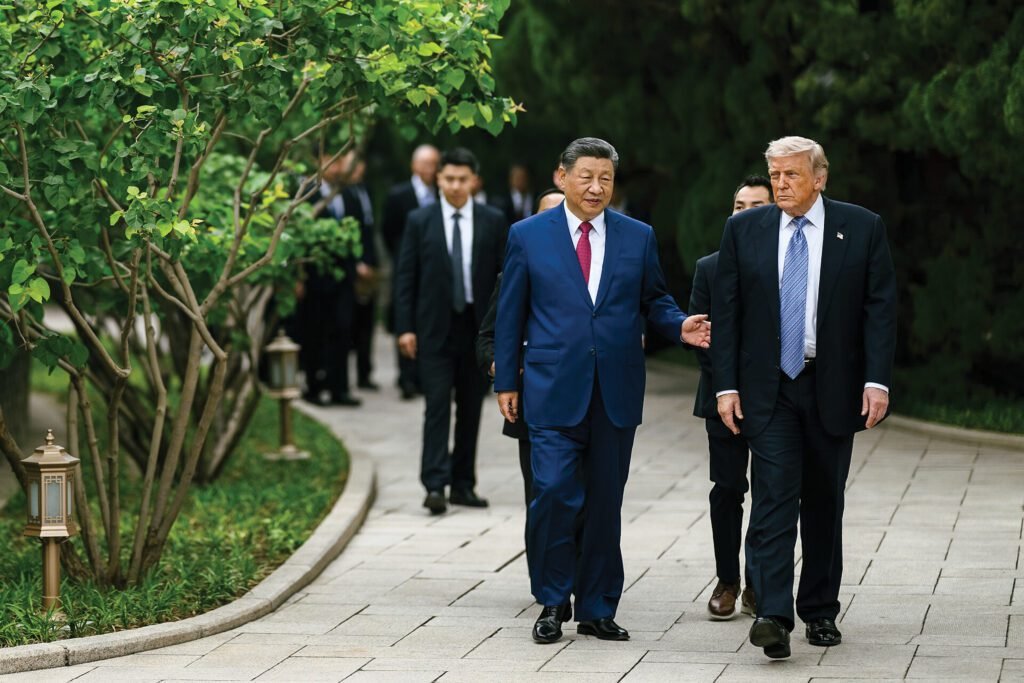
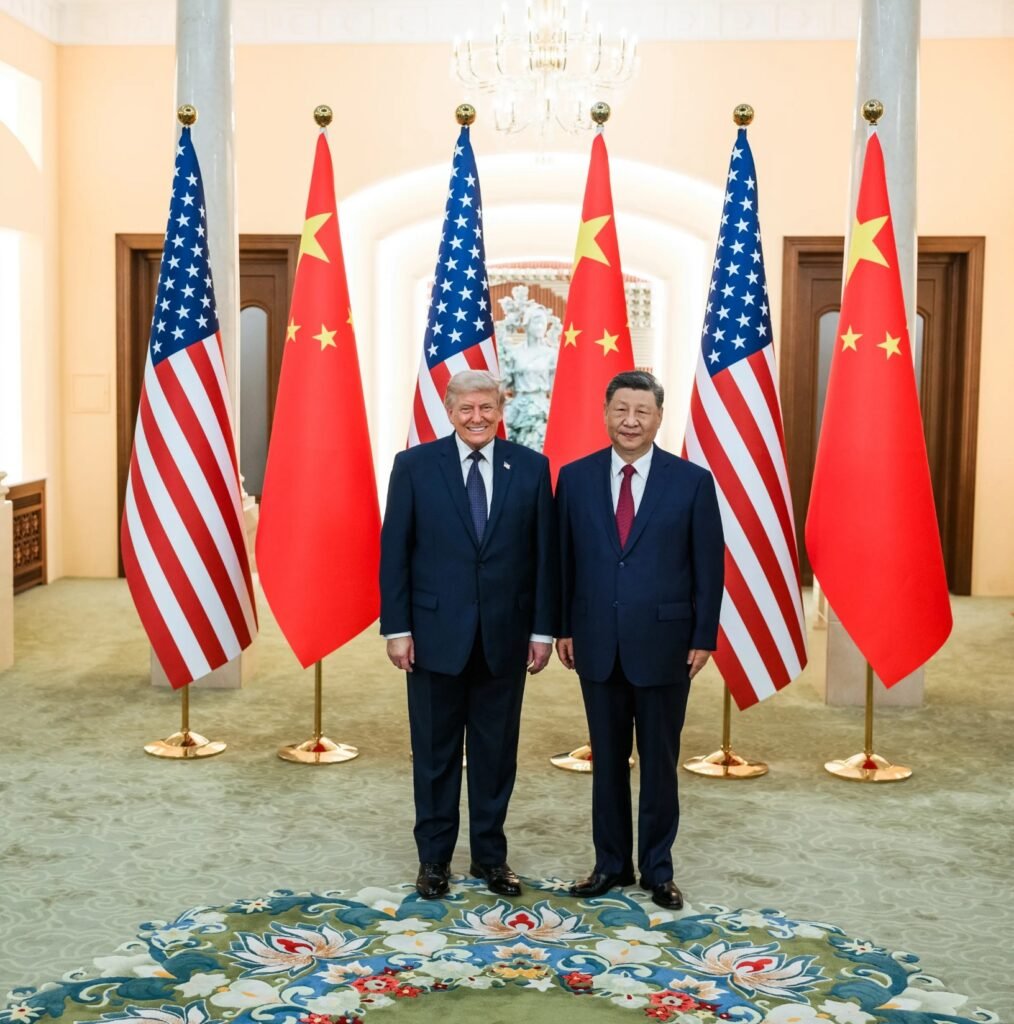
China’s institutional push stands in direct contrast to Washington’s increasingly security-driven approach to AI diplomacy. Since 2022, the United States has tightened export controls on advanced semiconductors and chipmaking equipment, restricted Chinese access to frontier AI capabilities, and introduced screening mechanisms that link technology access to strategic trust. In June 2026, the Commerce Department briefly restricted foreign nationals’ access to Anthropic’s Fable 5 and Mythos 5 models before additional safeguards were introduced and the controls were lifted. The episode illustrated how access to frontier AI may increasingly depend on nationality, institutional trust and security assessments rather than market demand alone.
The Trump administration’s AI Action Plan compounds this trajectory. At the India AI Summit in New Delhi earlier in 2026, White House AI Policy Advisor Sriram Krishnan stated plainly: “We want to make sure the world uses the American AI stack. That means from the bottom up … our semiconductors and advanced AI chips, Nvidia, AMD, Google’s TPUs, and so on and so forth”. The emphasis is on diffusion through trusted partnerships and supply-chain resilience, with access conditioned on political alignment. Initiatives such as Pax Silica, the State Department’s flagship programme on AI and supply-chain security, embody this approach.
Beijing presents itself differently. Xi Jinping used his Shanghai address to criticise what he called the “overstretching” of national security concerns in AI, warning that countries “should jointly oppose … placing one country’s security over that of others”. China positions wider access, capacity-building and formally open participation as the pillars of its governance model. Yet this framing requires qualification. Beijing promotes the international diffusion of Chinese open-source models and infrastructure, but its domestic AI ecosystem remains subject to content controls, algorithmic regulation, data-security requirements and restrictions on cross-border data flows. Chandola’s assessment is apt: “Chinese openness is therefore better understood as openness to the diffusion of Chinese capabilities rather than as unrestricted market access or information flows”.
The contrast between the two approaches should not be reduced to a simple binary of an open China and a closed United States. Both seek to expand the global reach of their technologies while protecting strategic advantages. The difference lies in the mechanisms: Washington favours trusted networks and conditional access; Beijing promotes broad participation while encouraging adoption of Chinese models, infrastructure and standards. In both cases, technological cooperation serves geopolitical objectives.
The Global South at the Centre of China’s AI Strategy
China’s strategy rests on a clear calculation: the rules governing AI will increasingly be negotiated in multilateral forums where developing countries collectively constitute the majority. Every major announcement at the Shanghai summit was directed at this constituency. Xi framed WAICO as “a major move by China to answer the call of the Global South”, while the conference’s governance panels reinforced the message. Nambaryn Enkhbayar, former president of Mongolia, told a WAIC panel that “governance is not about regulating at the very beginning”, arguing that countries must first be able to seize technological opportunities. Amandeep Singh Gill, the UN Secretary-General’s envoy on technology, said the organisation was working to ensure AI capabilities did not “remain concentrated in a small number of countries and regions”.
Beijing’s pitch addresses a genuine structural problem. Most developing countries lack the computing infrastructure, semiconductor access, datasets and technical talent required to build frontier AI models. Without external support, they face the prospect of becoming permanent consumers of technologies developed elsewhere. Chinese firms such as DeepSeek, Moonshot AI and Alibaba have released open-weight large language models that can be deployed at a fraction of the cost of proprietary American systems. For governments and businesses in the Global South, these models offer an accessible pathway to AI adoption. Their affordability is already reshaping adoption patterns: global usage of Chinese AI models more than doubled to 25 trillion tokens in the final week of June 2026, surpassing American models by 78 per cent, according to the marketplace OpenRouter.
This capacity-building offer, however, carries strategic implications. Countries that adopt Chinese AI models, cloud infrastructure and governance frameworks risk embedding dependencies that extend beyond software to include developer communities, technical standards and regulatory practices. Such dependencies are often more durable than formal diplomatic agreements because they become woven into everyday technological systems. China may lower barriers to adoption while deepening reliance on Chinese platforms, standards and supply chains. The resulting influence is less visible than a treaty but often proves more enduring.
India’s Position
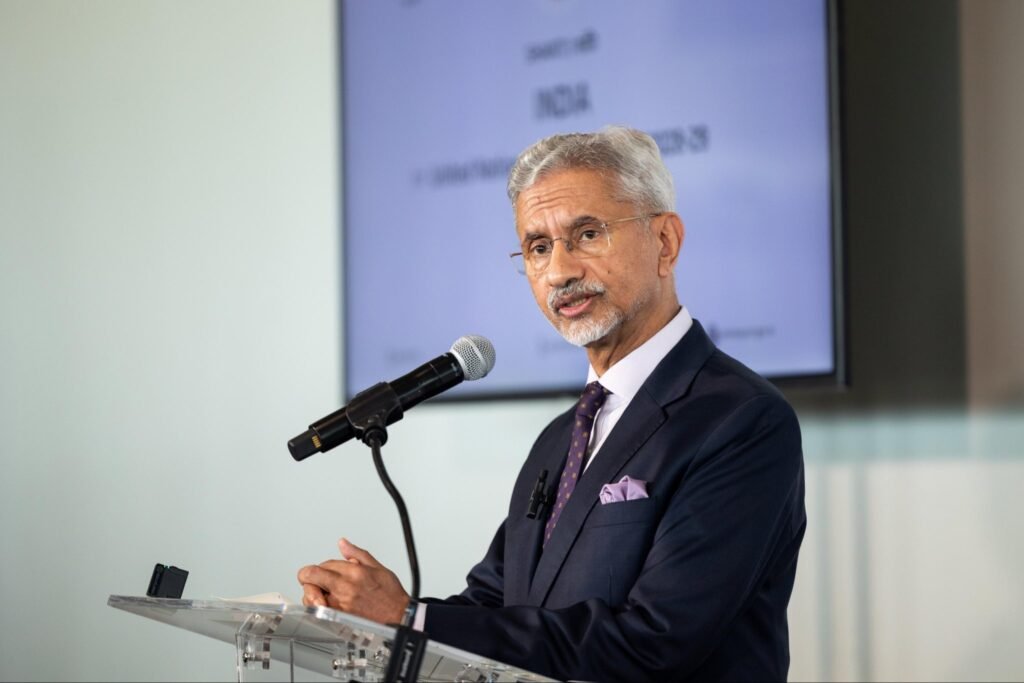
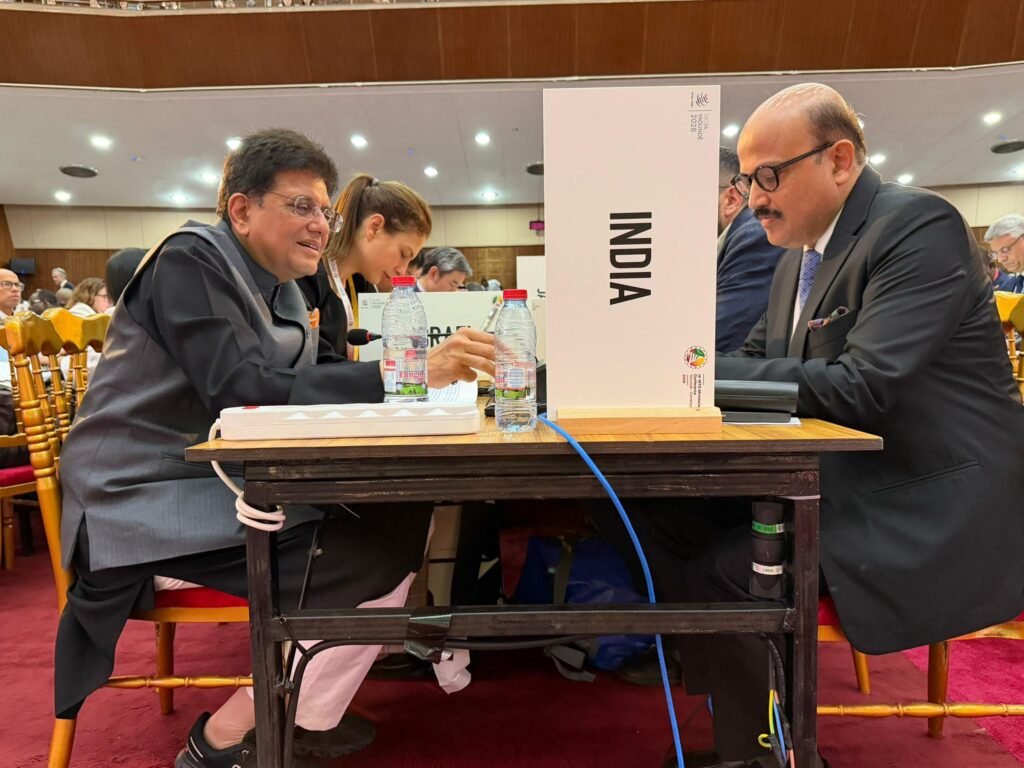
India’s position at the Shanghai summit illustrates the dilemma facing countries that seek to avoid choosing between the two ecosystems. New Delhi sent a Joint Secretary-level delegation to WAIC but did not join WAICO, making it the only founding BRICS member absent from the new organisation. The decision reflects broader concerns over Chinese influence in critical technologies and the state of India-China relations, but it does not resolve the underlying tension.
Indian companies are already turning to Chinese open-weight models to contain AI costs. Firms such as DeepSeek, Alibaba and Moonshot AI offer performance comparable to leading American models at dramatically lower prices. According to industry executives cited by Nikkei Asia, Chinese open-weight models can reduce deployment costs by an order of magnitude. Some Indian startups begin development on frontier American models before shifting to Chinese alternatives for long-term operational savings. Yet this commercially rational behaviour creates strategic vulnerabilities. Access to foreign AI models, whether American or Chinese, can be restricted overnight through export controls, regulatory shifts or geopolitical friction. As the Observer Research Foundation’s Sameer Patil argues, “Deepening the dependence on the foreign tech, whether American or Chinese, is a concern because access can be shut down overnight and you will be left in the lurch”.
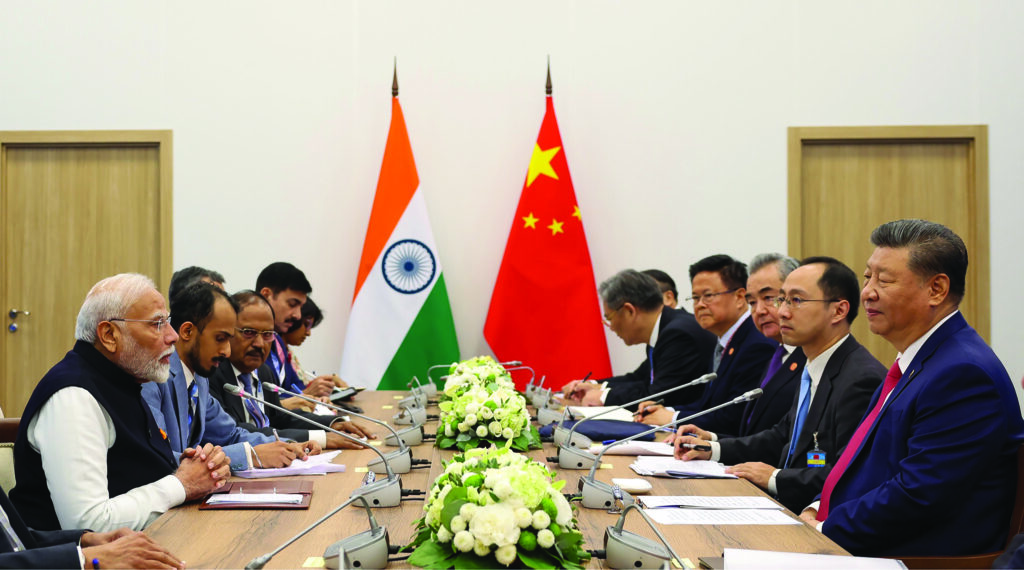
India’s sovereign AI ambitions remain constrained by disbursement gaps. Of an allocation of ₹20 billion for AI in the fiscal year ending March 2026, actual expenditure stood at ₹3.79 billion. Beijing’s plan to expand WAICO through BRICS and the Shanghai Cooperation Organisation, both forums where India holds membership, will force New Delhi to engage with the initiative even as it stays outside its formal structures. The challenge is to preserve strategic autonomy while ensuring that India retains a meaningful voice in shaping the institutions, standards and governance principles that will define the global AI ecosystem.
The Emerging Order
The Shanghai summit confirms that AI governance is taking institutional form. Summits hosted by the United Kingdom (2023), South Korea (2024), France (2025) and India (2026) established one track, driven by advanced economies and focused on safety standards. Beijing criticised these efforts for sidelining developing countries’ priorities. WAICO represents a distinct path, led by China and oriented towards the Global South. Whether it becomes consequential depends on sustained funding, whether its outputs shape national AI strategies, and whether countries treat it as genuinely multilateral rather than a vehicle for Chinese influence.
Rather than converging on a single global framework, AI governance is fragmenting into competing institutional tracks. States can increasingly “forum shop” for venues matching their political preferences and development priorities. This dilutes consensus-building but may accelerate experimentation, as different groupings test governance models in parallel.
The resulting landscape is unlikely to resemble the rigid bipolarity of the Cold War. Most countries will engage selectively with both American and Chinese ecosystems, balancing cost, capability, security and long-term dependence. The contest is ultimately over who participates in the global AI economy, on what terms and within whose technological ecosystem. That makes it less a technology race than a competition to define the architecture of the emerging digital order.
Note: This explainer has been researched, edited, and fact-checked by India’s World staff and prepared with AI assistance.