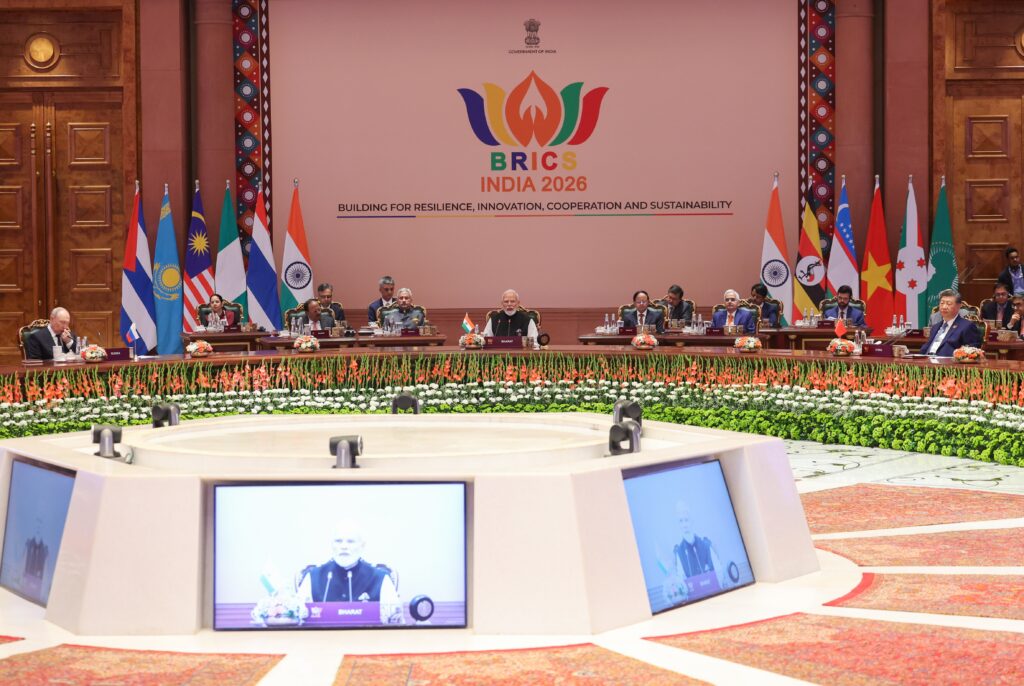
A key yardstick of great power aspirations is convening power. Samuel Huntington noted that a superpower has to stand for an idea with appeal beyond its borders. Amidst a changing world order, India has been showcasing its own convening power, which the 2024 Lowy Institute Asia Power Index ranks 7th in the world.
Convening can be defined as bringing together relevant actors to act collectively to address global or regional challenges. Convening power, then, is the ability to facilitate productive conversations and commitments to mitigate these challenges and own the outcomes as a collective. While such facilitation can be regarded as an extension of a state’s soft power, it is its reinforcement with elements of hard power which augments a state’s credentials as an authoritative voice among nations. With the fourth most powerful military globally and having experienced a doubling of its nominal GDP between 2014 ($2.04 trillion) and 2024 ($4.11 trillion) to emerge as the fourth-largest economy by 2025, India has been successful in leveraging its heft to redirect global energies to issues that matter.
Indeed, between 2014 and 2024, New Delhi expanded diplomatic engagement to cultivate India’s convening power. With bilateral engagement building a stronger bank of trust and goodwill with regional and global stakeholders, India has ensured continued participation in several plurilateral groupings in the last ten years. This includes groupings established through India’s leadership and advocacy, such as the International Solar Alliance (ISA) in 2015. ISA strives to promote solar energy adoption worldwide, and at present has 120 signatories, highlighting India’s ability to mobilise international efforts.
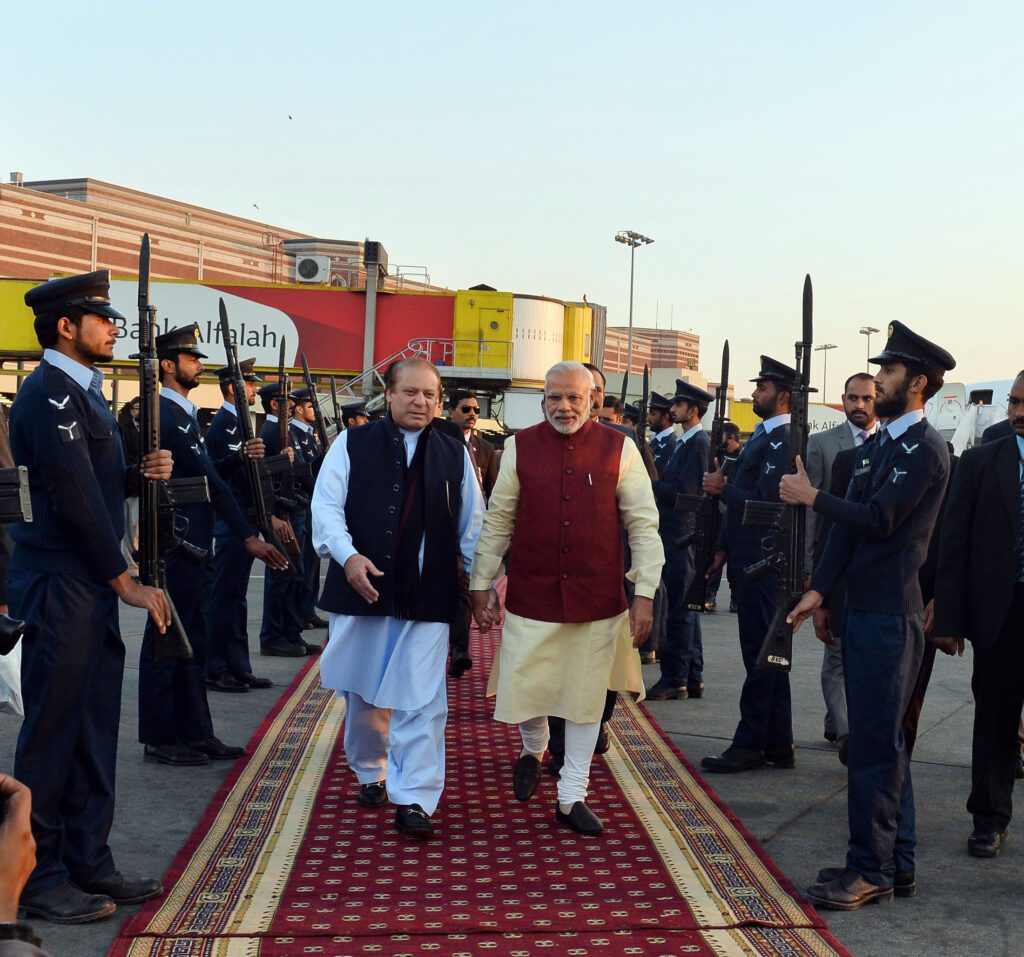
Crucially, India displays a marked ability to adjust its own positions on global events (especially conflicts) in multilateral settings to entrench its credibility as a conciliatory actor in multilateral settings. Despite a bilateral policy of de-hyphenation with Pakistan, India has rarely allowed Pakistani participation to disrupt its own commitment to multilateral fora.
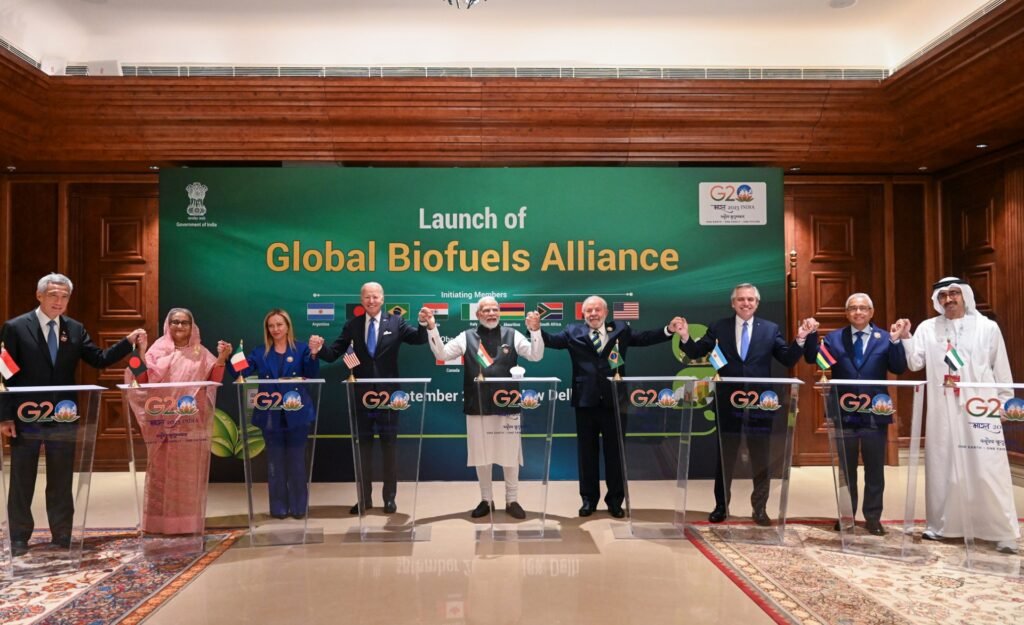
Consequently, with its repute as a pragmatic actor in place, India has succeeded in convening important multilateral summits on its own soil, the most significant of which was arguably the 2023 G20 Summit. It is a testament to India’s adaptive diplomacy and its convening power as the host that at the 2023 G20 Summit, the New Delhi Leader’s Declaration (NDLD) was adopted with consensus. The declaration managed to reconcile Western and Russian positions by asserting that “all states must refrain from the threat or use of force to seek territorial acquisition against…any state”, thereby reaffirming the Western position, consistent with the principles of the UN Charter, while refraining from naming Russia, and thus securing Moscow’s support. Moreover, India leveraged its G20 Presidency to entrench its commitment to becoming a leading voice of the Global South. This was best evidenced by India’s advocacy for the African Union’s accession as a permanent G20 member, as well as inviting a large number of guest countries from the Global South to the summit. Further, New Delhi convened the Voice of Global South Summit twice in 2023 (January and November) with a third edition in August, 2024.
Why Should India Convene?
A crucial aspect of the world order in the last decade was the gradual unravelling of effective multilateralism, at least through traditional institutions such as the United Nations. In the current decade, this character of the international order manifested violently with fresh conflict in Europe and the Middle East, an upending of global economic networks due to the assertiveness of the second Trump Presidency, and a rapid advance of Chinese economic and military power. This means that the drivers and motivations for India’s convening efforts are also dynamic, being remoulded constantly by shifts in the global order.
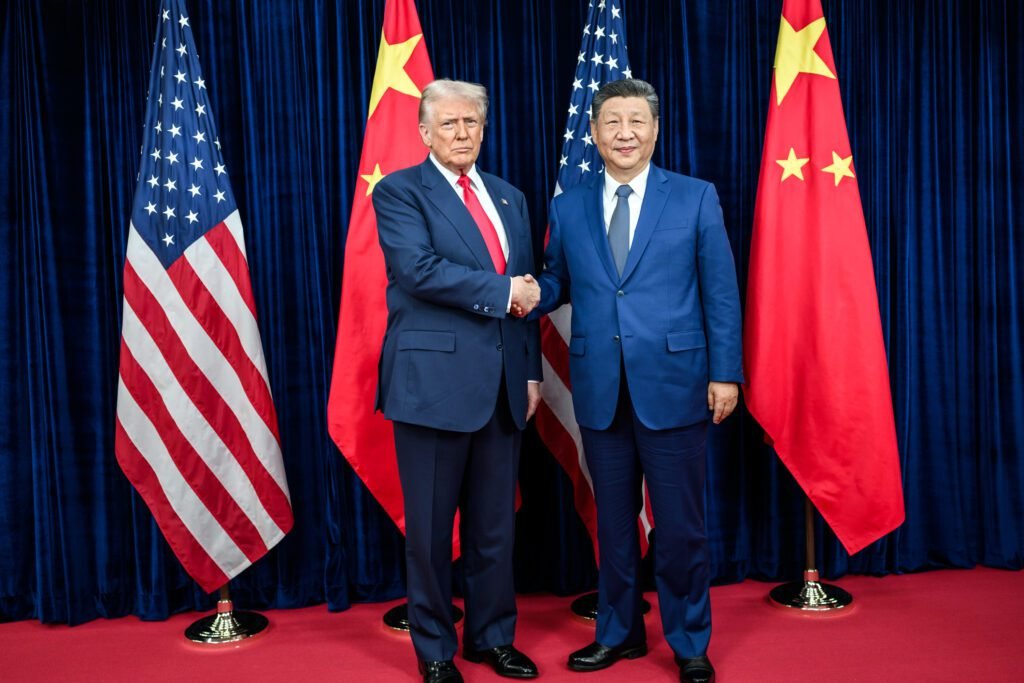
The withering of multilateralism has occurred especially at the hands of the United States, which had thus far played a key role in assuming global leadership. Its retreat to unilateralism and dealing with countries on a bilateral, transactional basis under President Donald Trump also creates openings for emerging players like India to spearhead their own initiatives, especially for South-South cooperation considering the Global South will be most affected by the churn underway.
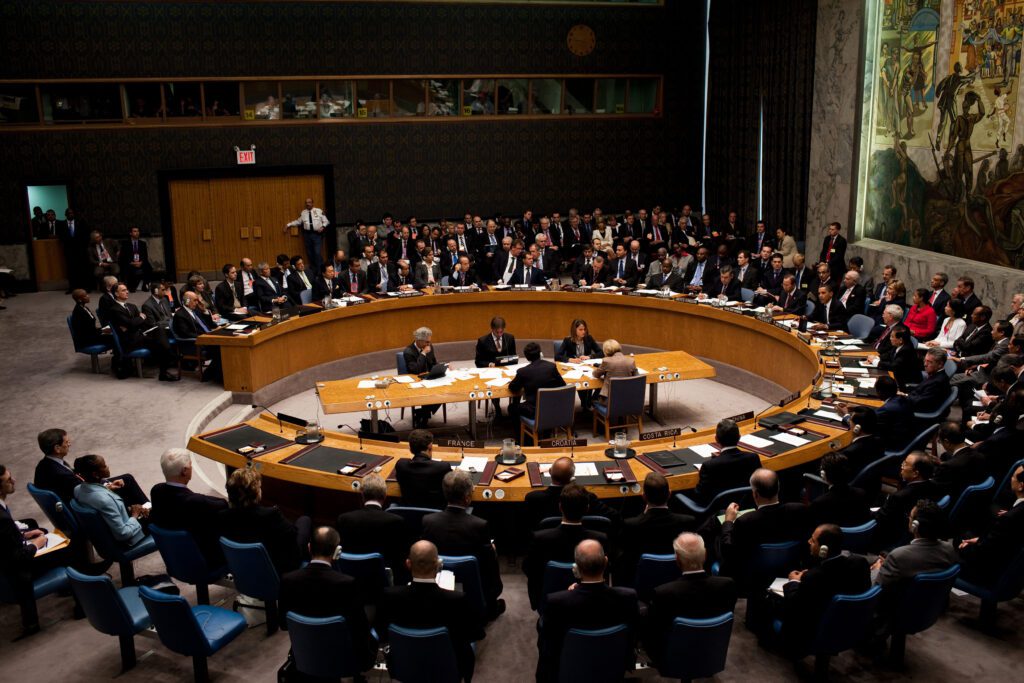
Multilateralism is not dead yet. And ‘multipolarity’, while on the rise, is yet to fully mature as the principal characteristic of the current international order. Hence, India still assertively pushes for existing institutions like the UNSC to be more representative of developing countries, including a permanent seat for itself at the coveted forum. But New Delhi is also keen to ensure that it can mould the shape that multipolarity is yet to take. In this light, leveraging India’s convening power becomes necessary at a delicate period of transition, both regionally and globally. But despite its strong internal growth and its commitment to further developing comprehensive national power through the developmental objectives of Viksit Bharat 2047, India’s real driver in doing so is external and close to home—China.
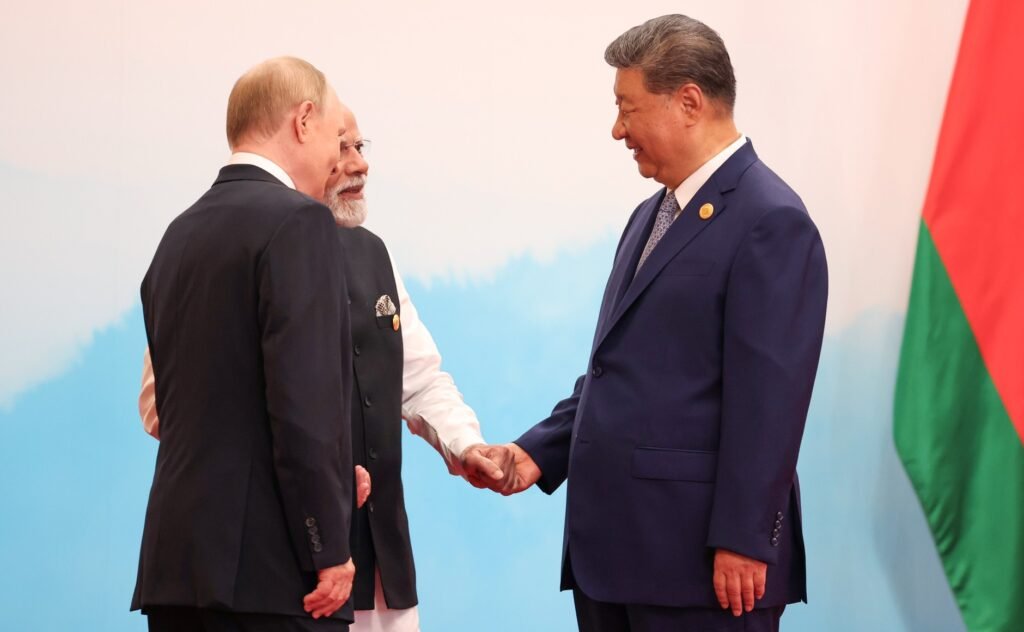
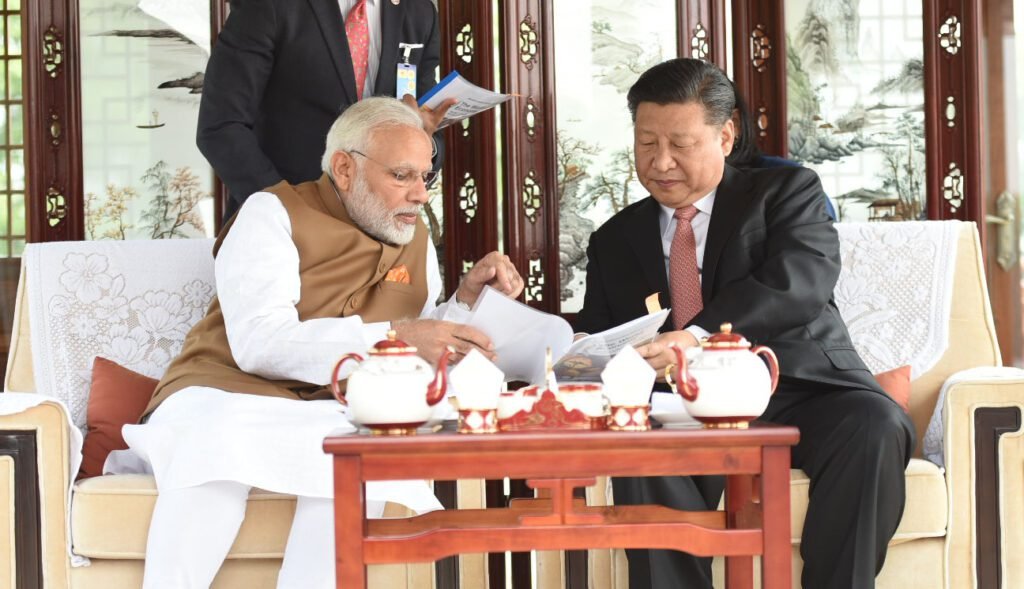
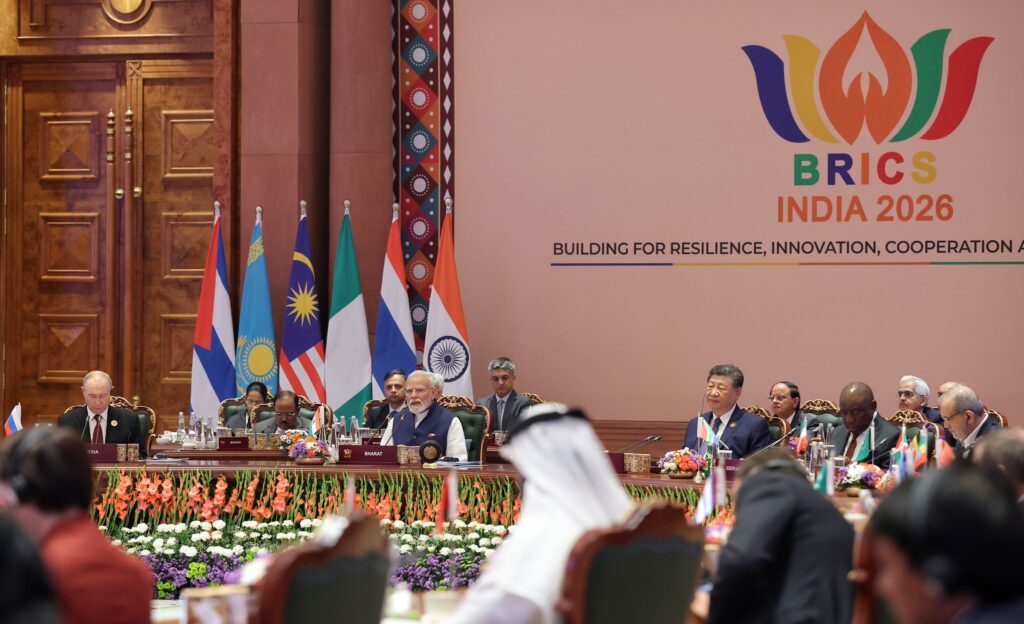
With steadily growing military assertiveness, China has expanded its influence through projects like the Belt and Road, Global Development, and (more recently) Global Governance Initiatives. All three of these can be regarded as convening mechanisms by promoting alternative models of engagement. That China, under Xi Jinping’s leadership, ranks first in convening power in the 2024 Lowy Asia Power Index, is a testament to Beijing’s convening ability. China’s significant sway over forums such as the SCO and BRICS has long been evident to New Delhi, which has recognised the need for a fresh approach to dealing with Beijing. Even as India presently tests a fresh thaw with China, the latter remains inherently interested in undermining New Delhi’s influence regionally and globally. In 2022, for instance, China underscored this intent by establishing the China-Indian Ocean Forum, sans India, which is the largest maritime power in South Asia. However, certain Chinese endeavours have been marred by allegations, such as a lack of transparency, “debt-trap diplomacy” and more generally, inefficient project implementation. Against this backdrop, India is likely to be viewed as a benign actor, with its convening efforts seen as driven not by vested interests, but for the collective good—an advantage New Delhi can, and should, capitalise on.
A Three-Pronged Approach to Amplifying Convening Power
To buttress its convening power, there are no shortcuts for India. Broadly speaking, three core recommendations can be rationalised based on the aforementioned experiences to further improve India’s convening power and consensus-building capacity.
The first is the need to upgrade India’s structural and institutional capacity to convene. India’s Ministry of External Affairs (MEA) remains among the least-funded central ministries. Given both the need to nourish India’s extant convening capacity and the new geopolitical drivers for convening efforts, it is imperative to assert that building the MEA’s institutional capacity (human resources, more embassies and missions abroad to expand India’s influence) is paramount for India to fully leverage its internal sources of economic and military power. Increased structural capacities will also have positive downstream effects on the recommendations below.
The second is the need for India to expand the geographic focus of its convening efforts. India’s need to convene South Asian stakeholders for issues of regional concern remains crucial. This is especially as China is projecting its own convening power in India’s backyard; take, for example, the China-Afghanistan-Pakistan and China-Bangladesh-Pakistan triangles. However, the substantial political churn underway in several states in India’s neighbourhood also necessitates caution—at least until these states complete their processes of political and economic transition and reach a higher degree of stability. In any case, fresh conflict in the India-Pakistan bilateral remains a practical obstacle. There is thus a need for India to leverage its goodwill in its extended neighbourhood, including in Africa and Southeast Asia. Both of these have long been priority regions for India, but require a reinvigorated approach. For instance, even as India proactively lobbied for the AU’s inclusion in the G20, New Delhi must take greater advantage of the historic experiences of all three of its armed services in training African military personnel to convene new defence cooperation frameworks. In particular, the India-Africa Defence Dialogue, last held in 2022, must be turned into a more consistent effort. The same applies equally to the India-Africa Forum Summit (IAFS), convened three times, with the last held in 2015 and the fourth likely scheduled for mid-2026. Similarly, Southeast Asia (barring a few states) was largely absent in India’s G20 guest list and remains a region where India’s political will to take on leadership and convening roles has been insufficient, despite Southeast Asians considering India as the ‘third party’ after the US and China. Since India has hosted Southeast Asian states at the Track 1.5 level for specific challenges, such as the civil war in Myanmar, in New Delhi, they would appreciate the freshness New Delhi would bring to future dialogues at the Track I level.
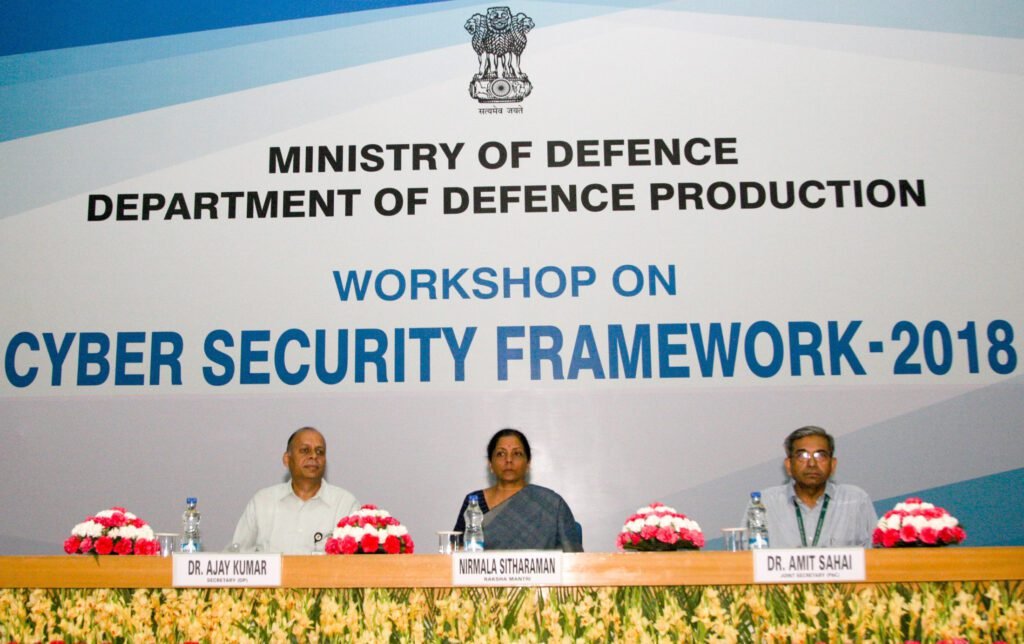
Third, thematically, India should strike a balance between global transboundary challenges and regional priorities, including but not limited to cyber threats, disaster management frameworks, counterterrorism, AI regulation, food and energy security, and climate change. The G20 NDLD already outlined most of these as core priority areas for cooperation. To that end, more than narrowing down on priority areas, what New Delhi needs is effective follow-up and review mechanisms. While India hosted a large number of workshops and meetings on these issues during its G20 Presidency, there are no institutional review mechanisms to track and adjust progress on cooperation in these areas. Establishing mechanisms for self-accountability and self-evaluation is vital to ensure that convening efforts remain result-oriented. Developing tools to periodically track commitments made during convenings helps measure progress and inform timely course corrections.
That said, New Delhi must be mindful of not stretching itself too thin by convening on a wide array of issues. India’s convening efforts will be most effective when focused on agendas where global priorities dovetail with domestic imperatives. Greater synergy between its own developmental and strategic needs and those of the world or the region will elevate India’s credibility and the impact of its foreign policy initiatives, both for the domestic and international audience.
As the world becomes increasingly fractured and mired in cascading crises, with two major powers—the U.S. and China—jockeying for influence and the former assuming a relatively contracted leadership role, India must seize this moment to ensconce itself as a reliable anchor in the evolving global order. India has the requisite resources, in terms of economy, landmass, population, military might, and cultural influence, to reshape global governance through convening. But what it lacks is vision and resolve, both of which are far easier to cultivate than acquiring the resources themselves from the ground up.