In an article titled ‘Opening Up’ the Gateway: Situating the North East Region in India’s Paradiplomacy, published in the journal India Quarterly, brought out by the Indian Council of World Affairs (ICWA), Bhaskar Jyoti Deka examines how India has attempted to position the North East Region (NER) as a gateway to Southeast Asia through its evolving paradiplomatic framework.
The article argues that although New Delhi increasingly recognises the geopolitical importance of the NER within the “Look East” and “Act East” policies, the region’s paradiplomatic role remains constrained by central interference, political instability, weak institutional coordination, and persistent security concerns. As a result, the NER’s paradiplomatic engagements remain “inconsistent and ineffective”, despite its growing relevance to India’s foreign policy implementation.
The article situates its argument within the broader literature on paradiplomacy, defined as the international engagement of subnational governments. Drawing on the framework of “motivation”, “opportunity”, “capability” and “recognition”, Deka argues that India remains a “latecomer” in paradiplomatic practice because foreign policy-making continues to be heavily centralised under the Ministry of External Affairs. Although economic liberalisation after the 1990s created greater opportunities for constituent states to engage internationally, New Delhi retains primary authority over foreign affairs.
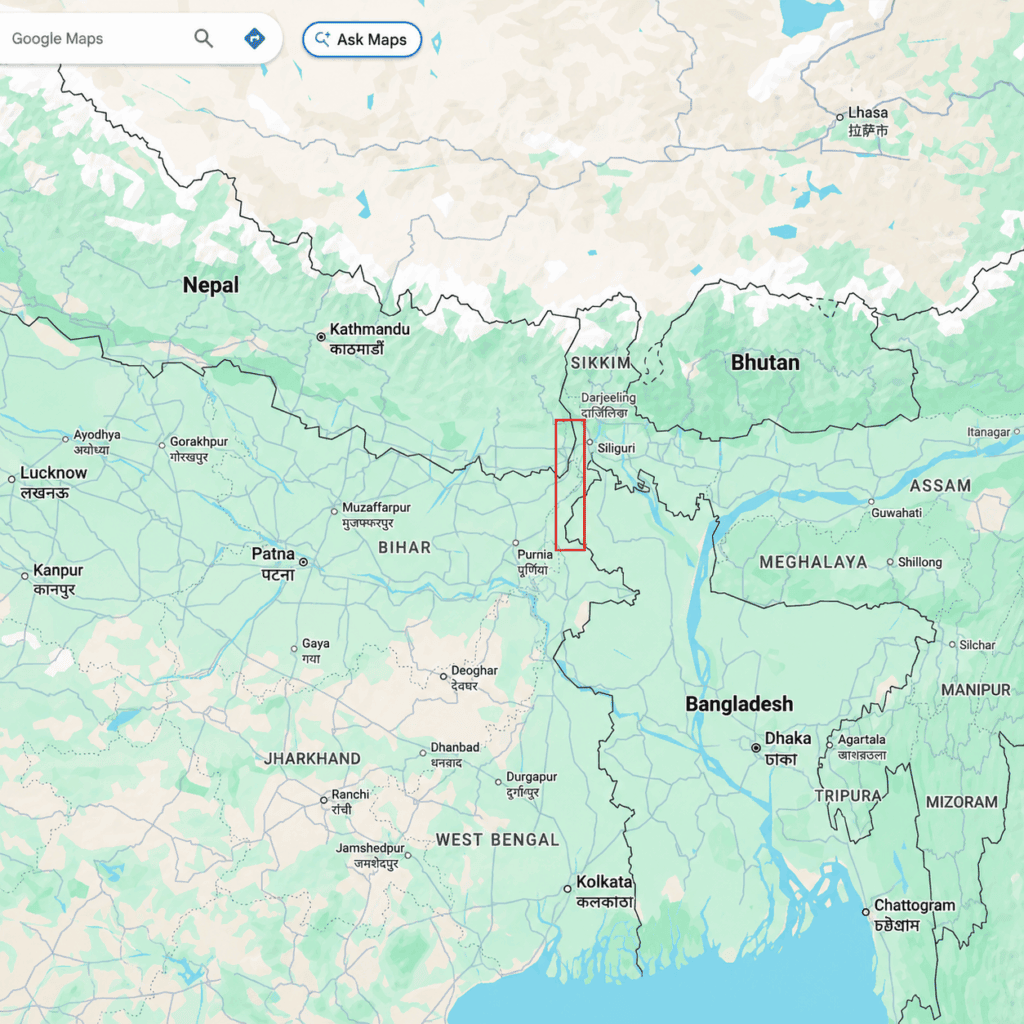
A central theme of the article is the transformation of the NER from a peripheral frontier into a geopolitical bridge linking India with Southeast Asia and the wider Indo-Pacific. Deka notes that New Delhi increasingly envisions the NER as the “gateway to South and Southeast Asia” under the Act East Policy. The article traces the evolution of India’s engagement with Southeast Asia from the launch of the Look East Policy in 1991 to its reformulation as the Act East Policy in 2014. According to the author, India regarded the Look East Policy as a “major policy instrument” for strengthening ties with ASEAN while projecting itself as an emerging regional power and balancing China’s growing influence.
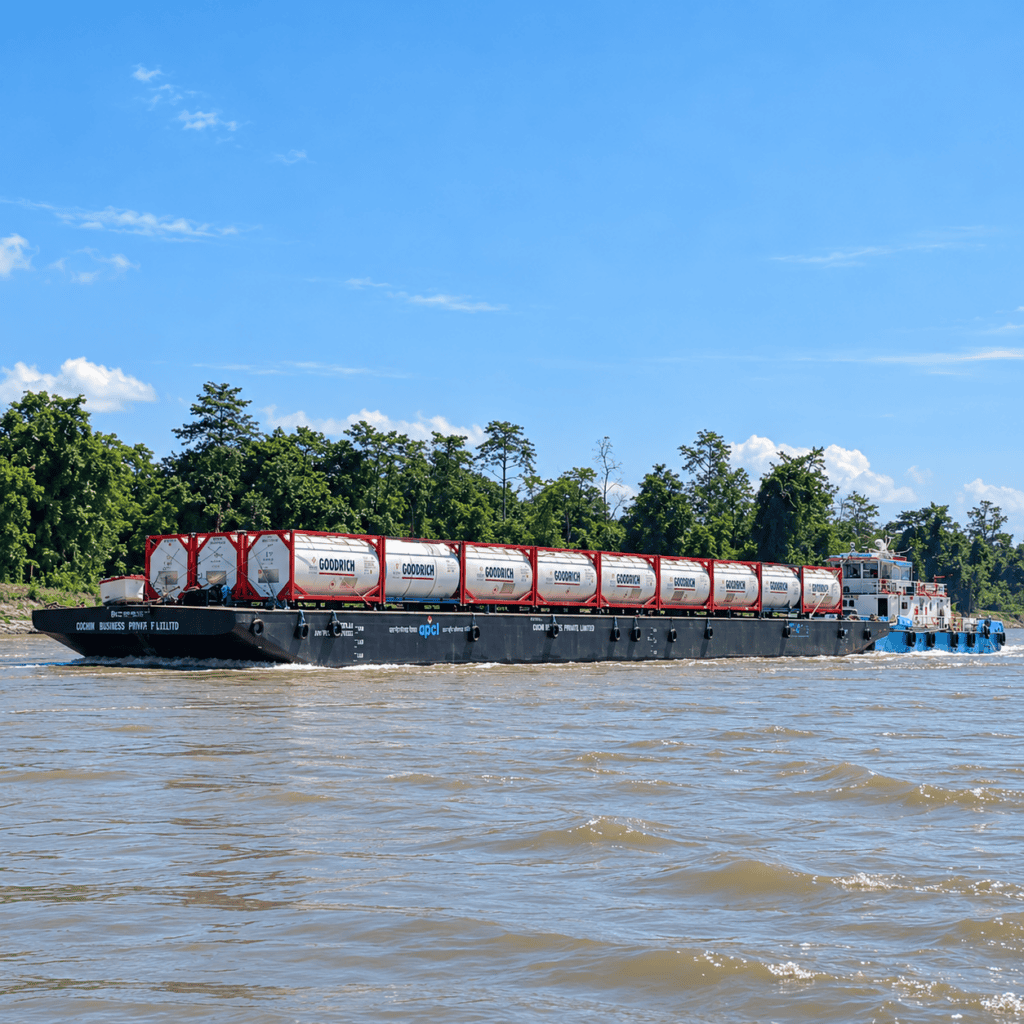
Connectivity and infrastructure development constitute another central theme of the article. Deka highlights the role of Japan, ASEAN countries, Australia and international financial institutions in supporting projects intended to integrate the NER with Southeast Asia. The article discusses initiatives such as the Indo-Japan Act East Forum and the Kaladan Multi-modal Transit Transport Project, which aim to transform the NER into an “inter-regional bridge” connecting South and Southeast Asia.
The article also devotes substantial attention to Myanmar, which Deka identifies as central to India’s eastern strategy. The 2021 military coup complicated India’s connectivity ambitions and border management efforts, forcing New Delhi into a “tightrope walk” between engaging Myanmar’s military junta and maintaining limited support for the National Unity Government (NUG). At the same time, China’s growing influence in Myanmar through infrastructure and maritime projects poses a significant challenge to India’s regional ambitions. The author suggests that subnational actors from the NER may, in certain situations, engage more flexibly with local actors across the Myanmar border than India’s centralised diplomatic structure.
An important dimension of the article examines paradiplomatic initiatives undertaken by individual northeastern states. Assam’s establishment of the Act East Policy Affairs Department in 2017 is presented as a notable example of institutional innovation. Deka also highlights how states such as Manipur, Mizoram, Tripura, and Arunachal Pradesh pursued limited forms of trans-border cooperation with neighbouring countries and foreign actors, demonstrating the region’s potential for international engagement when provided with institutional space.
However, the article argues that these paradiplomatic efforts remain constrained by structural weaknesses. New Delhi’s “centripetal forces” continue to limit the autonomy of constituent states in foreign affairs, while economic underdevelopment, inadequate infrastructure, insurgency, and weak regional coordination further undermine the NER’s ability to function as a coherent diplomatic actor.
The article concludes that the NER remains largely unrecognised as a paradiplomatic actor despite its growing role in implementing India’s eastern initiatives. Deka argues that northeastern states have gradually evolved limited paradiplomatic capacities but remain constrained by insufficient institutional recognition from New Delhi. The author ultimately contends that India must “recognise each state’s diplomatic potential in the NER” if the region is to become an effective component of India’s wider diplomatic affairs.