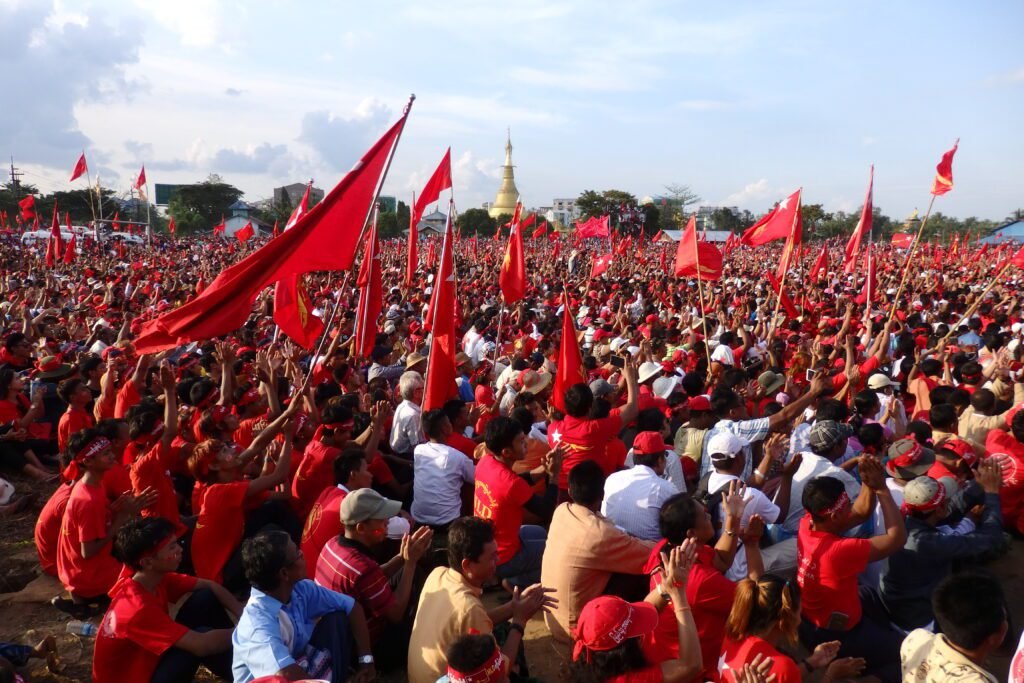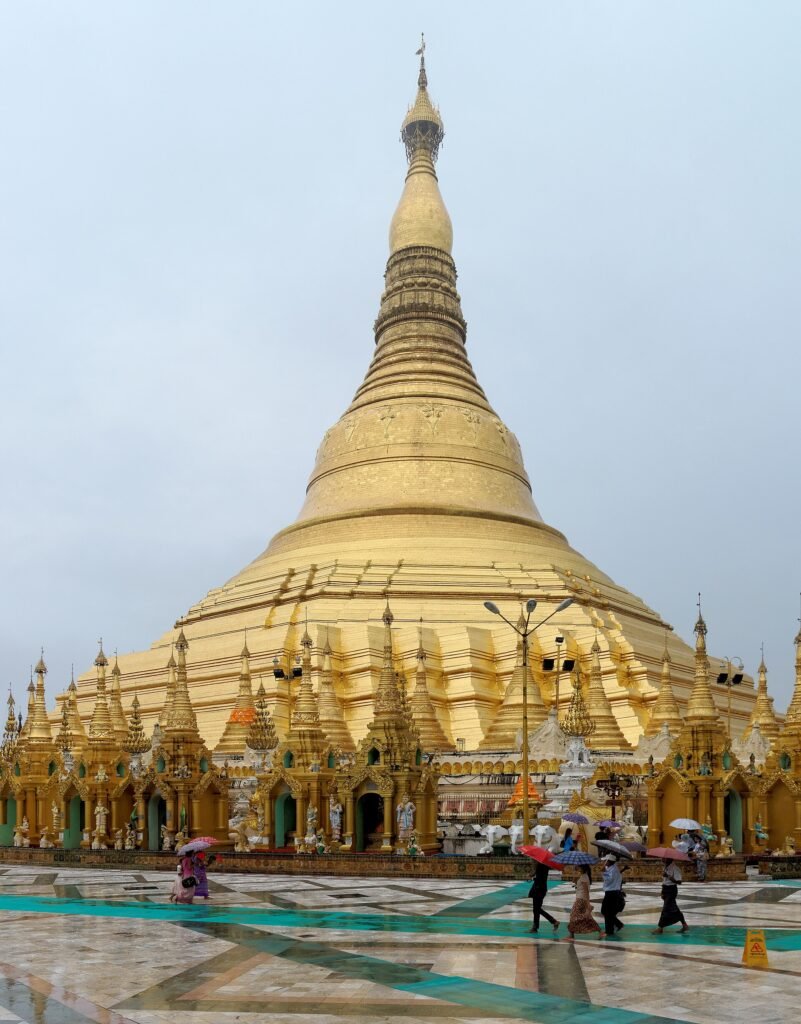
The intersection of religion, ethnicity, and power has long defined Myanmar’s political order. Buddhist ethno-nationalism, once a unifying force underpinning state authority, has been strategically deployed by the military to sustain its dominance. In the wake of the 2021 coup, however, its coherence is eroding, revealing unexpected solidarities and deepening contradictions within Myanmar’s resistance movement.
Buddhist ethnonationalism in Myanmar is a significant, complex phenomenon that has played a game-changing role in the social and political life of the country. The Buddhist majoritarian surge has been particularly pronounced after the country’s democratic transition that began in 2011. The phenomenon has acquired traction by fusing Buddhist and Bamar (ethnic Burmese) identities.