Since the Cold War, strategic autonomy has been a recurring principle in Indian foreign policy, denoting the capacity to pursue core national interests without formal alliance commitments or automatic alignment with major powers. However, since the mid-2010s, the context in which it is exercised has changed. The global economy is now increasingly shaped by sanctions, regulatory jurisdiction, and financial enforcement rather than by formal coercion.
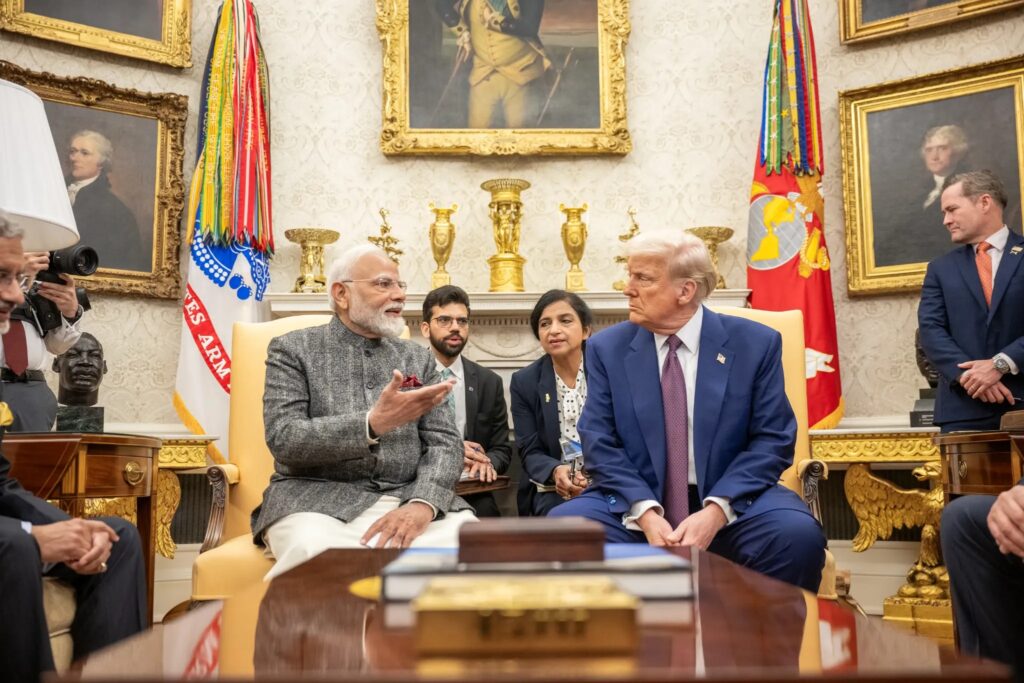
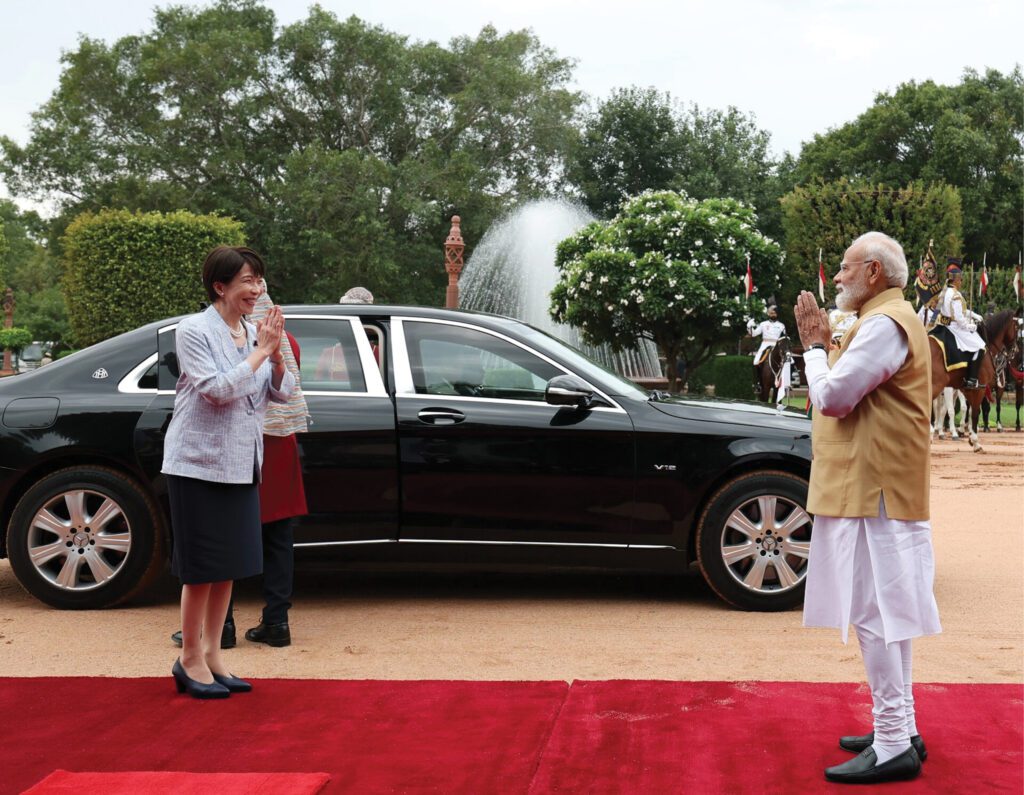
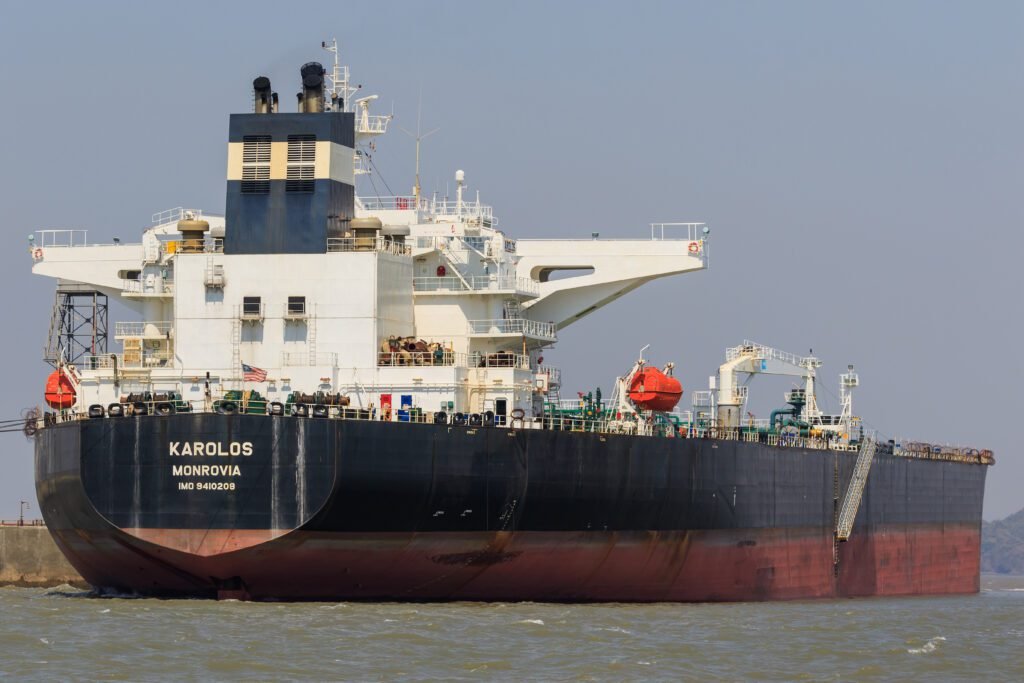
Under Prime Minister Narendra Modi, strategic autonomy has been articulated as the ability to engage multiple power centres simultaneously while retaining freedom of decision-making. This posture has been most visibly tested in India’s responses to the U.S.-led sanctions affecting energy trade since 2018. These episodes do not indicate an erosion of autonomy. Yet they have had distinct material consequences for how India secures energy.