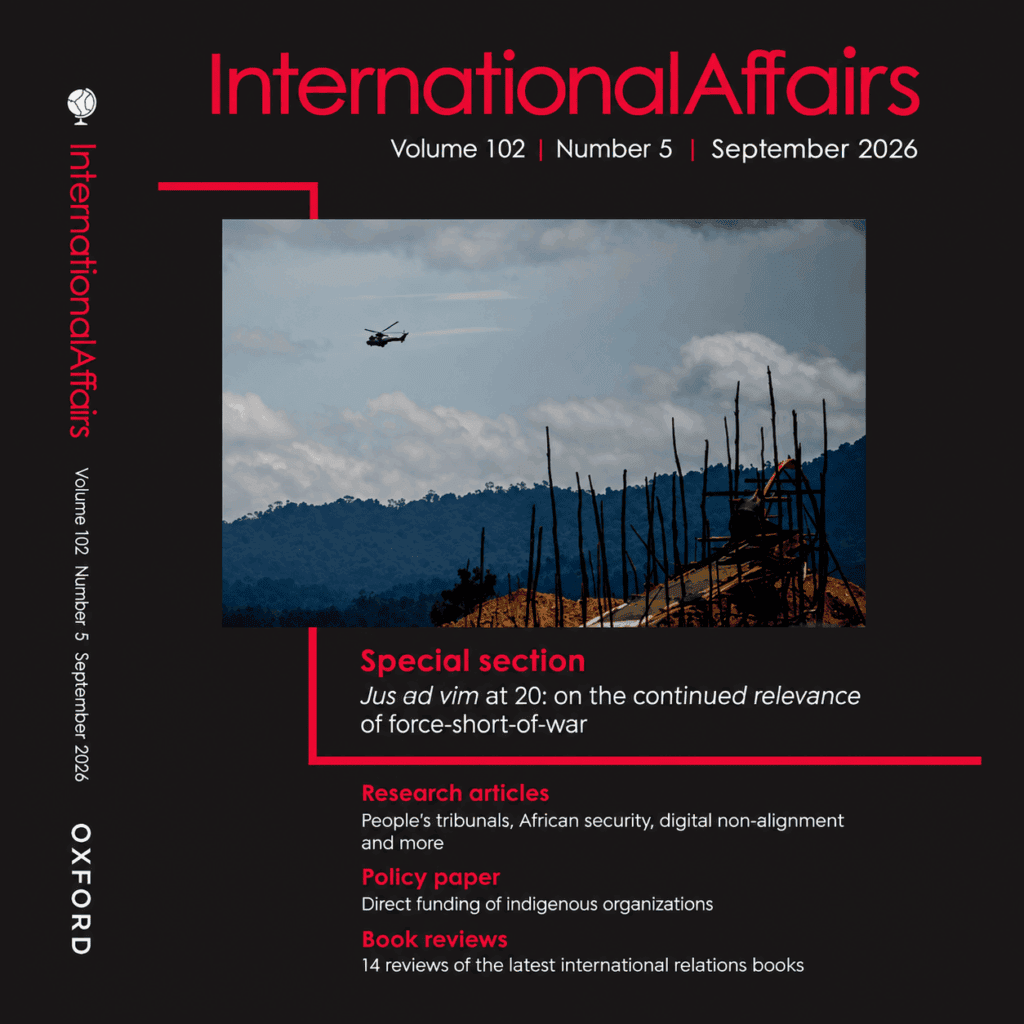
In a research report titled A Rebel Border: India’s Evolving Ties with Myanmar after the Coup, published by the International Crisis Group (2025), the authors analyse how Myanmar’s internal conflict and state fragmentation have prompted India to adjust its approach toward its eastern neighbour. They argue that India’s challenge lies in balancing relations with the government in Naypyitaw and with non-state groups that now control much of the India–Myanmar border. At the same time, new restrictive border measures—such as fencing, reduced cross-border movement, and refugee registration—risk disrupting communities and trade ties that are vital for India’s regional goals.
The report traces the evolution of India–Myanmar relations from post-independence solidarity to present-day pragmatism. After decades of alternating between engagement and caution, India’s Look East and later Act East policies positioned Myanmar as the gateway to Southeast Asia. Flagship projects such as the Kaladan Multi-Modal Transit Transport Project and the India–Myanmar–Thailand Trilateral Highway were meant to enhance connectivity, trade, and integration of India’s northeast with the broader region. The 2021 military takeover in Myanmar, however, disrupted these efforts and created new policy challenges for New Delhi.
Initially, India maintained engagement with Myanmar’s military leadership to preserve cooperation on border management issues. But as resistance groups gained influence in Chin and Rakhine states, India began to interact more closely with local authorities and armed groups to ensure the continuation of essential cross-border projects and trade. These engagements were primarily aimed at maintaining stability along the frontier and supporting humanitarian access to communities affected by the conflict.
At the same time, developments inside India have added complexity. The introduction of border fencing plans, partial restrictions on the Free Movement Regime, and new refugee documentation processes reflect growing concerns about security, migration, and organised crime. However, these steps have also raised challenges for the border states of Mizoram and Manipur, where local populations share ethnic and cultural ties with communities across the border.
The authors recommend that India adopt a flexible, regionally informed approach to its Myanmar border. This includes supporting border trade through regulated markets and improving humanitarian access to conflict-affected areas. Encouraging dialogue between local authorities and cross-border communities could also help maintain stability and build goodwill.
In conclusion, the report emphasizes that India’s interests in stability, connectivity, and regional cooperation would be best served by policies that combine security with inclusion. Strengthening engagement with a wide range of actors in Myanmar—while continuing constructive ties with the government—can help safeguard India’s long-term objectives under the Act East policy. A balanced and humane approach to border management, the authors suggest, will reinforce India’s image as a reliable regional partner committed to peace, development, and cooperative neighborhood relations.