In the recently held AI Impact Summit 2026 in New Delhi, Prime Minister Modi remarked that India hosting the Summit was a matter of pride for the Global South. He also said that AI must be democratised and serve as a medium of inclusion and development. This is one amongst many instances where India has shown its commitment to equitable development for all, especially developing countries.
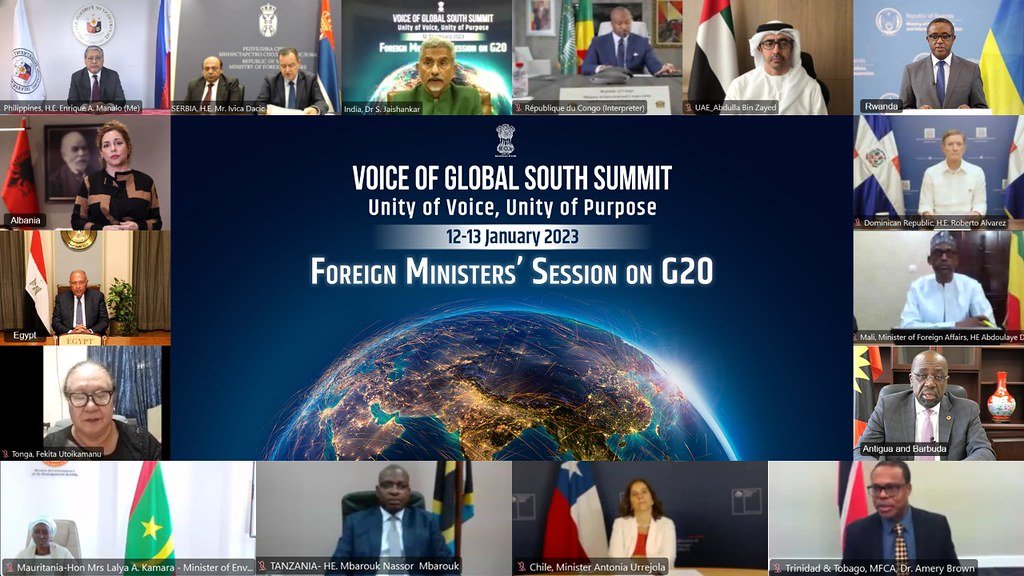
India’s focus on the Global South forms a strong pillar of its foreign policy and is reflected in its prioritisation of issues concerning developing countries. India often describes itself as a voice of the Global South and as a bridge between the Global South and the Western world. Whether through statements on strengthening South-South solidarity and advancing initiatives specifically for developing nations or positioning itself as carrying the trust and expectations of its partners in the developing world, India aspires to be a leading advocate of the developing countries. This foreign policy stance is also evident in sharp critiques of Western countries accompanied by expressions of strategic autonomy, that draw from its own past colonial experience.
Scholars consider these to be expressions of India’s ‘postcolonial’ identity in its foreign policy. Unlike the suggestion of the word ‘post,’ postcolonialism is not limited to a time-period after colonialism. Rather, it also highlights the continuing effects that centuries of colonisation have had on a society and its politics. Postcolonial theory emerged from the scholarship of the South Asian Subaltern Studies Group, comprising works of scholars like Ranajit Guha, Homi Bhabha, Partha Chatterjee, Dipesh Chakrabarty and Gayatri Chakravorty Spivak. Postcolonialism offers nuanced critical perspectives on colonialism’s impact on International Relations (IR). It also serves two functions: as a form of resistance against dominant discourses in IR and as a theory that gives important insights into the politics of previously colonised societies. In this way, postcolonial theory understands history and society from the most disadvantaged position, and contrasts with mainstream IR’s universalist, elitist character.
In academic research, postcolonialism in foreign policy attempts to answer some of the following questions: How are colonial legacies still strongly shaping policy today? How does the developing Global South negotiate its stand in international institutions? Does foreign aid support development or reproduce dependency on donor states? How are emerging powers transforming the international order, if they are at all? In the case of India, research shows how being colonised has not only influenced India’s self-perception of its identity but also impacted its foreign and security policies.
The substance of a ‘Postcolonial’ Indian Foreign Policy
Traditionally, India’s support for the Global South has been consistent over the decades. Colonialism brought economic exploitation and political subjugation. After independence, the idea that India should support newly liberated states across the world took a stronghold in its foreign policy. The first articulations of postcolonialism in its foreign policy were seen through advocacy for anti-imperialism, anti-racism and international cooperation. Often called idealistic, this Nehruvian era formalised the ‘Non-Aligned Movement,’ (NAM) through which India took on a leadership role among the developing and recently decolonised Global South countries. NAM was not neutral, but rather a positive form of exercising independence of judgement in foreign policy.
Although India’s foreign policy took on a more realist orientation over the next few decades, as seen through its military interventions and nuclear armament, its support for the Global South continued. India was vocally opposed to apartheid in South Africa, strongly supported the cause of Palestine and was hostile to Portuguese colonialism in Angola and Mozambique. These positions are informed by what is called a ‘postcolonial rationality’ that gives importance to the politics of self-determination.
Towards the end of the twentieth century, although not defining itself only through the NAM principles, India adopted a multilateral approach grounded in benevolence and goodwill. The focus was to extend India’s strategic neighbourhood to Africa and the Asia-Pacific.
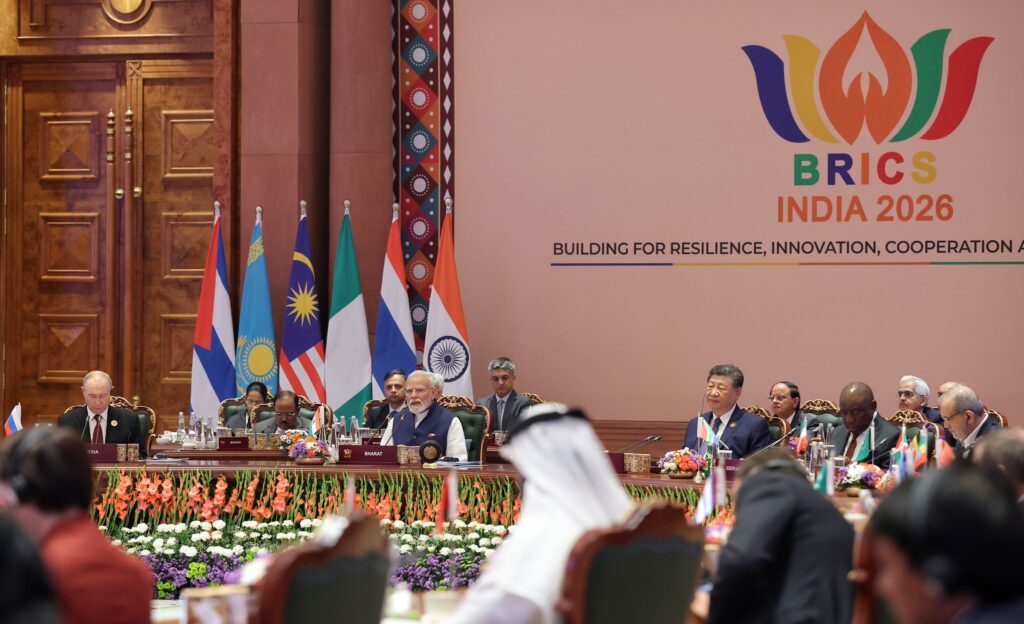
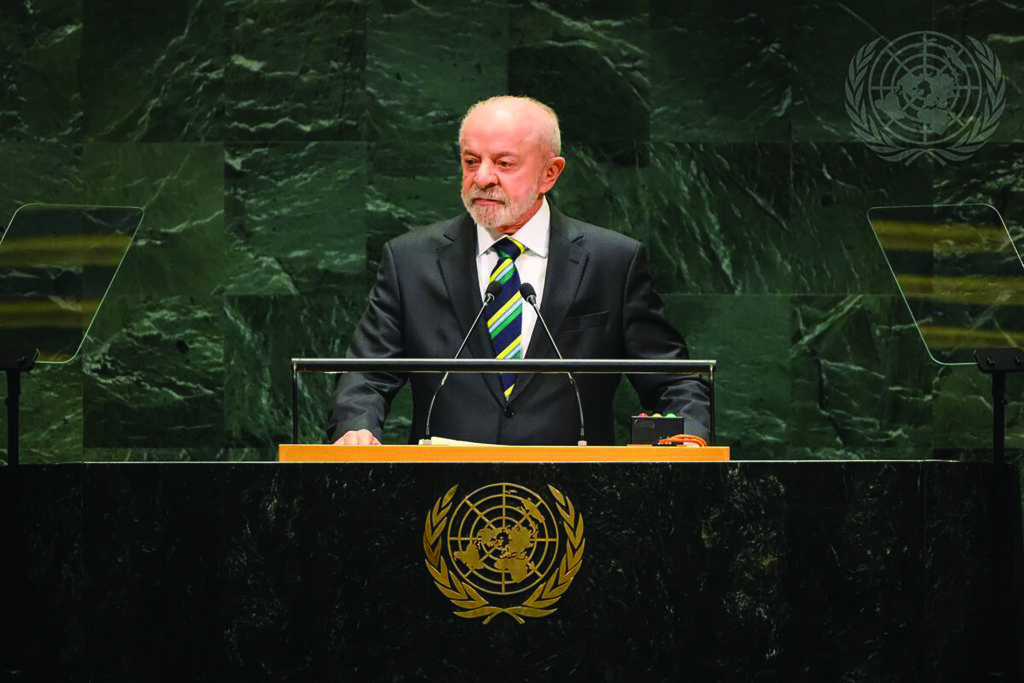
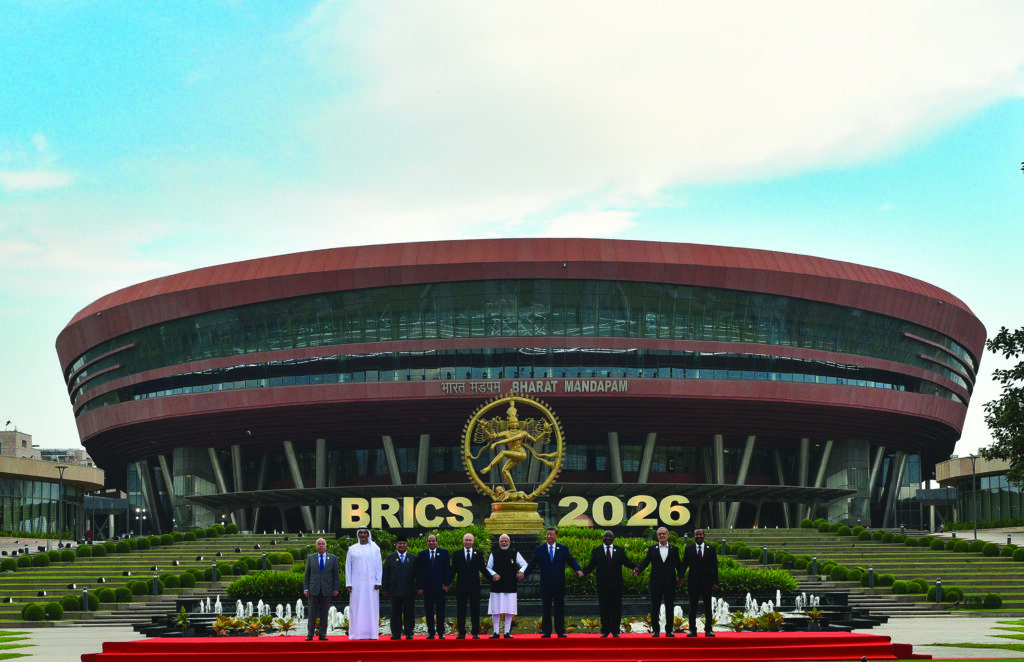
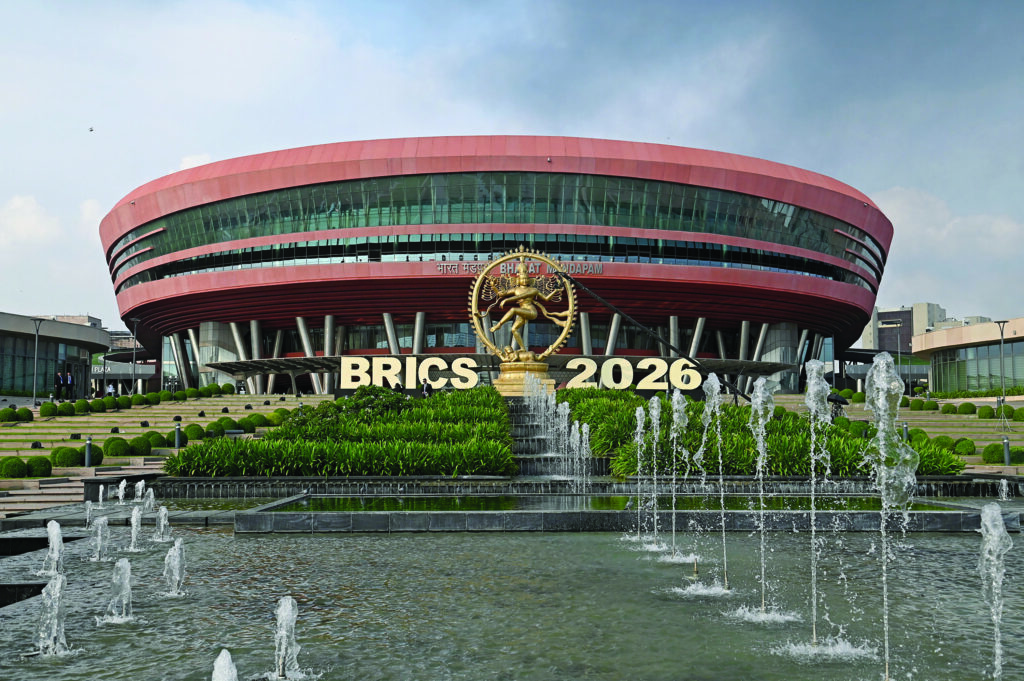
This continues during Modi’s leadership as well. In 2026 as India took the BRICS chair baton from Brazil, Modi highlighted India’s priorities, comprising issues of the Global South, a people-centric and humanity-first approach, and a focus on key underrepresented regions. During his February 2026 visit to India, Brazilian President Lula da Silva described India as a ‘democratic brother of the Global South.’
Moreover, India’s Global South leadership ambitions are especially seen in climate advocacy. In 2024, India was the first to speak out against the punitive constraints that developing countries face in reducing their emissions. At COP30 in Brazil in 2025, India, along with Brazil, China and Saudi Arabia, asserted the rights of developing countries and secured their long-standing demands accepted.
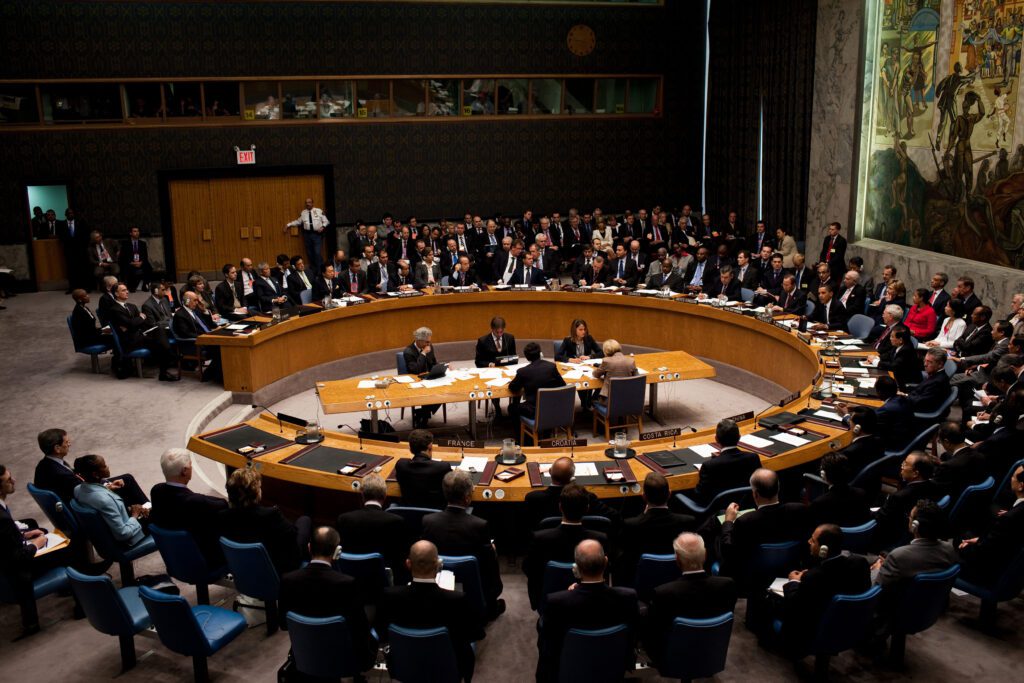
Research over the years has analysed this Global South focus, to reveal the substance and scope of India’s foreign policy. Not only did the colonial experience shape India’s foreign policy agenda, but it resulted in the persistence of historical memories, leading to a sense of victimhood in India’s foreign policy. Underlying this foreign policy approach is the recognition of collective trauma and the narrative of suffering that the country underwent during colonial rule. Scholars highlight how India sees colonialism as a major disruptor of its nationhood, leading to a postcolonial anxiety related to borders, thereby wanting to maintain its colonially endowed territory while seeking a security in nationhood. This is especially observed in the United Nations Security Council where India argued that the root cause of conflicts in Africa lies in its colonial history, which India understands because of its own experience.
India’s principled stances that derive from a successful anti-colonial struggle can be viewed as India’s soft power resource. India’s non-alignment helped it exercise a moral and political force in international affairs, which it sees as a manifestation of its own civilisational values. For instance, India’s promotion of democracy globally emphasises that Indian democracy is a template for others to follow. To this end, India recently assumed the chairship of The International Institute for Democracy and Electoral Assistance (International IDEA). The Secretary-General of the organisation called India a ‘key power in the Global South,’ while India articulated the democratic values in its civilisational heritage.