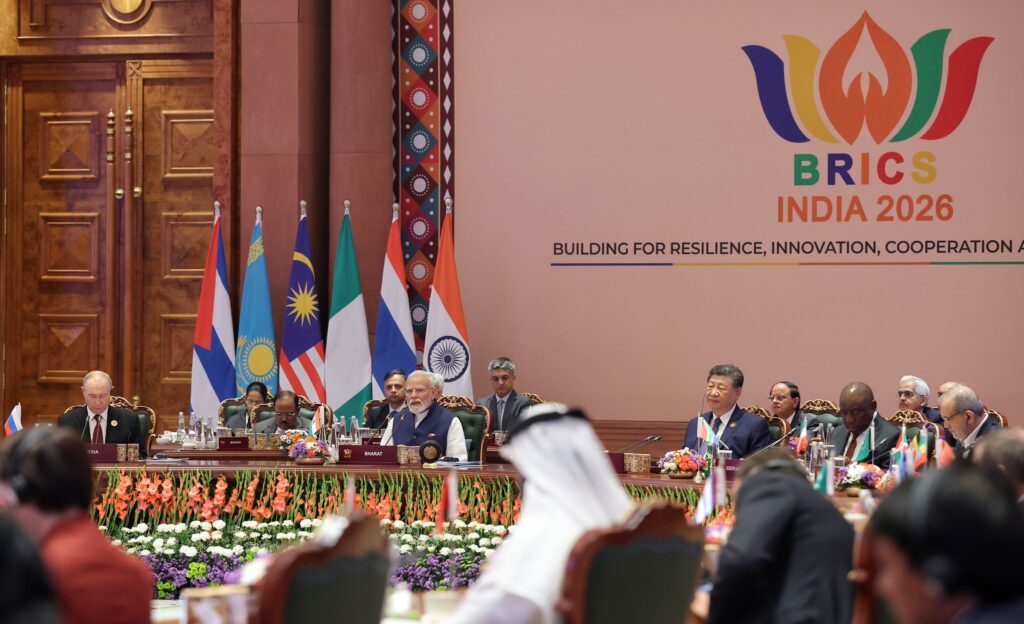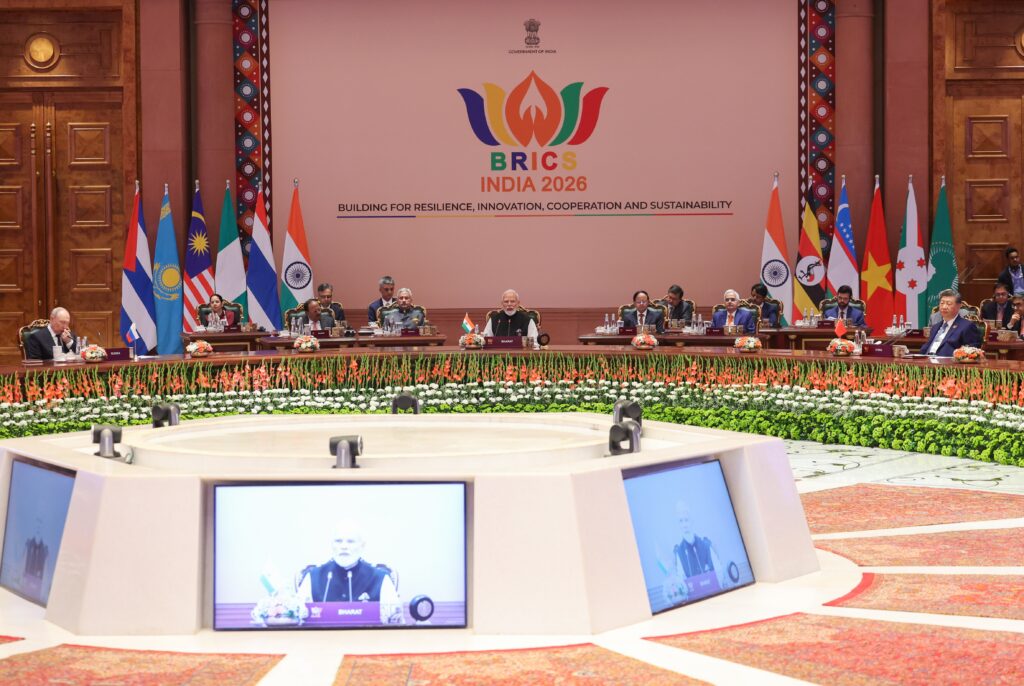
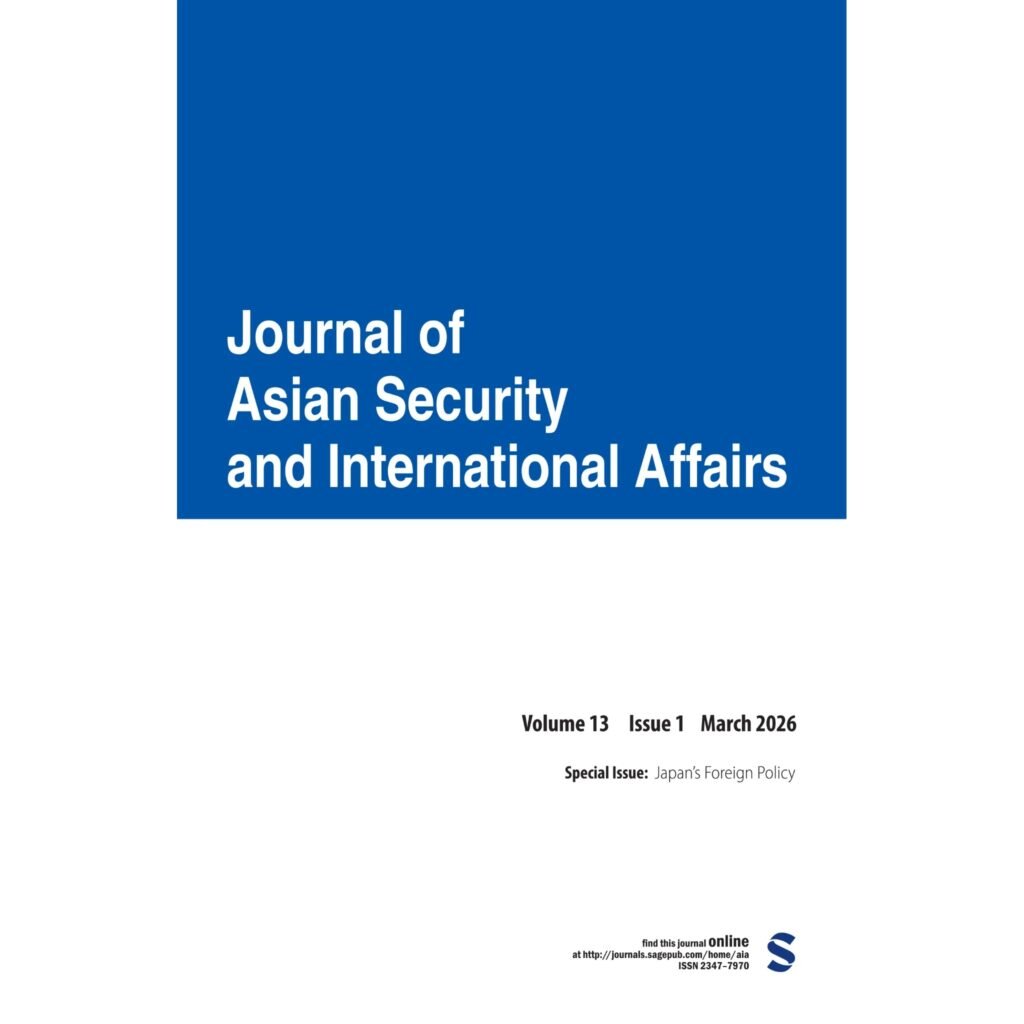
In an article titled India’s Role in Global South: From Concepts to Practical Implementation, published in the Journal of Asian Security and International Affairs, Tran Thien Thanh and Tran My Hai Loc examine how India has attempted to transform its identity as a leader of the Global South from a largely ideological aspiration into a practical foreign policy strategy. The article argues that India increasingly positions itself as “a bridge between the developed and developing worlds,” while advocating “for a more inclusive and representative global order.”
The authors situate India’s Global South strategy within a constructivist framework, arguing that identity and foreign policy are deeply interconnected. India’s behaviour, they contend, is shaped not only by material interests but also by its effort to construct an image of itself as a representative and non-threatening leader of developing countries. The article notes that India’s influence stems from presenting itself as “a non-threatening entity,” enabling it to “build trust and credibility” among Global South states.
The article traces how the concept of the “Global South” evolved from older categories such as the “Third World” and “developing countries.” The authors argue that India deliberately uses the term strategically because it avoids rigid ideological divisions and allows New Delhi to expand its diplomatic appeal. According to the article, India seeks to position itself as “the primary voice for the developing world,” while drawing attention to “economic disparities and development gaps” between the Global North and South.
A major focus of the article is India’s effort to build a shared political and cultural identity with countries of the Global South. The authors highlight India’s historical role in the Non-Aligned Movement and its emphasis on values such as “ahimsa (non-violence), satya (truth) and mutual respect.” India’s diplomatic philosophy is further reflected in the G20 theme “Vasudhaiva Kutumbakam,” translated as “the entire Earth is one family.” The article argues that this message reflects India’s attempt to project itself as a unifying force committed to “global connection and unity.”
The analysis argues that India’s Global South policy rests on three practical pillars: enhancing connectivity and economic linkages, expanding humanitarian assistance, and strengthening capacity-building initiatives. India has invested heavily in infrastructure, trade partnerships, lines of credit, renewable energy projects, and development financing across Asia, Africa, Oceania, and Latin America. The authors note that India provided loans for “highways, railways, electricity, ports and transportation, education, telecommunications, healthcare, aviation and other sectors” across African countries.
The article places particular emphasis on India’s development diplomacy and soft power outreach. Through programmes such as ITEC scholarships, ICCR educational initiatives, cultural centres, and humanitarian assistance, India seeks to strengthen long-term partnerships across the Global South. The authors argue that these initiatives allow India “to not only share knowledge but also help Global South countries strengthen their capacity to address development challenges, enhance global competitiveness and contribute to the overall stability and prosperity of the region.”
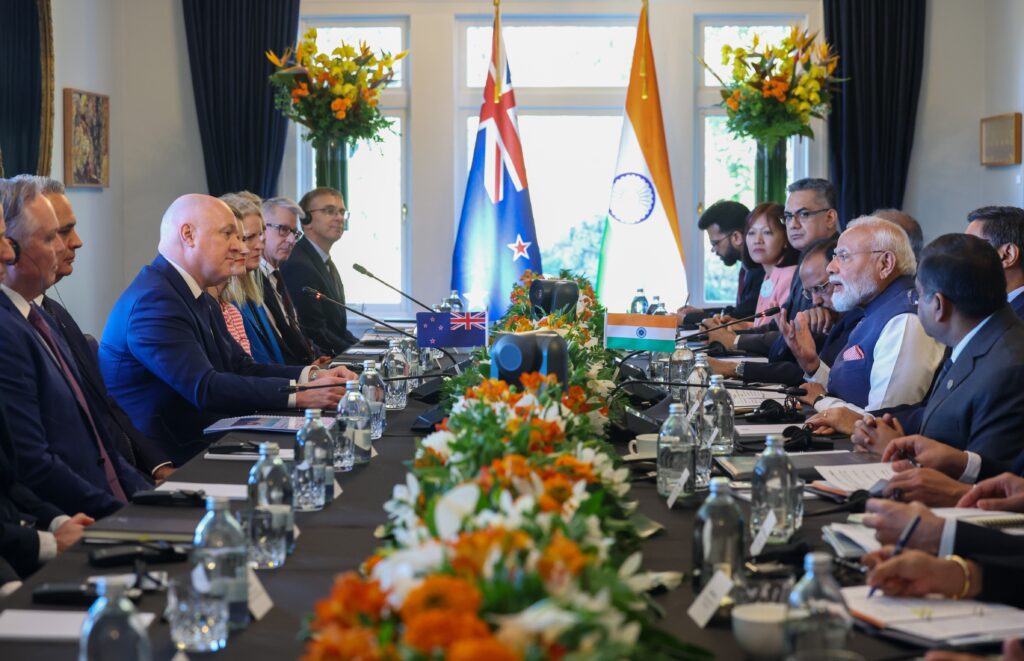
The article also highlights India’s balancing strategy in global geopolitics. While deepening ties with the United States, Japan, Europe, and Australia, India simultaneously maintains cooperation with Russia and avoids entering rigid alliance structures. The authors describe this as a policy of “strategic autonomy and multi-alignment,” allowing India to preserve flexibility while strengthening its influence in the Global South.
However, the authors argue that India faces several structural challenges in consolidating leadership within the Global South. Domestic economic pressures, developmental inequalities, and financial constraints limit India’s ability to sustain large-scale external commitments. More importantly, China’s growing influence across South Asia, Southeast Asia, and Africa poses a direct challenge to India’s ambitions. The article notes that China’s infrastructure investments and expanding trade relationships have created “a direct competitive challenge for India,” particularly in strategically important countries such as Vietnam, Indonesia, Sri Lanka, and Bangladesh.
The article concludes that India’s future role in the Global South will depend on its ability to balance strategic autonomy, domestic development priorities, and geopolitical competition while continuing to advocate for reform in global governance structures. Through initiatives such as the “Act East” policy and strategic partnerships with countries like Vietnam and Indonesia, India seeks to create “a more inclusive and balanced international system.” The authors ultimately argue that India is attempting to position itself as “the voice of the Global South” in an increasingly multipolar world.