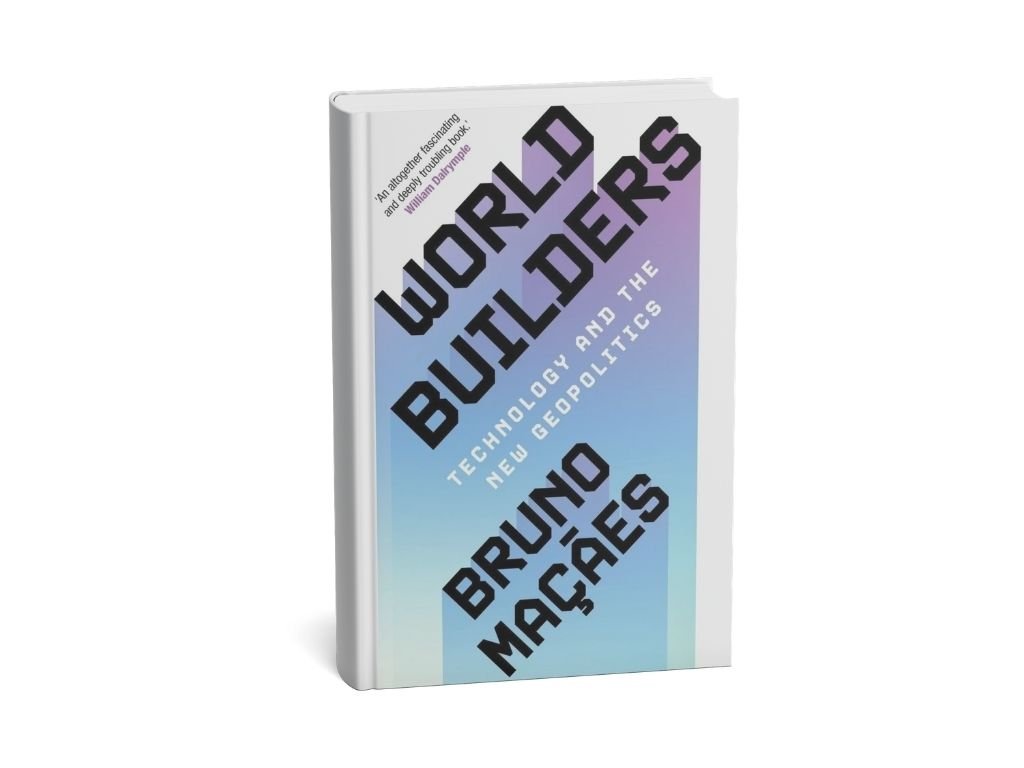
Will technology reshape the geopolitics of the twenty-first century? If yes, in what way? Bruno Maçães’ World Builders: Technology and New Geopolitics (Cambridge University Press, 2025) offers interesting insights into these questions. The book under review is a thought-provoking account of the intersections between technology and the changing geopolitical dynamics among the great powers. The central argument of the book is that the main source of conflict of the present era would not be geographical but technological. The superpowers of the present era are rebuilding the world using technology. These superpowers set the rules of the game for present-day world politics. The author calls them “world builders”. These powerful countries would constantly struggle against one another to attain technological supremacy. The greater the technological edge that a country has this century, the greater the leverage it will have in world politics today. Notably, the post-pandemic world heralds the rapid adoption of technology in the race for power. The book, on the whole, predicts a scenario where “[T]he virtual and physical worlds might become increasingly integrated.”
The author analyses how technologies like the internet have come to control a large part of the physical world and predicts that “every element of the physical world will have a digital representation, and thus that the world as a whole will have migrated to virtual reality”. He, however, cautions that the virtual world is not a neutral space.
The book is neatly tailored into four chapters or stories, as the author called them. Each chapter is named after a specific year that, according to the author, brought definitive global changes in recent years, particularly in the domains of technology and geopolitics.
The author uses an eclectic, interdisciplinary approach to analyse the changing trends in geopolitics, technological shifts, and potential great-power conflicts in the virtual world. This book has a futuristic tone in its narrative, in which humankind prepares for a “migration” from the real to the virtual world through the use of immersive technologies. The metaverse might have a significant impact on global power distribution. However, it remains to be seen whether the metaverse is just the latest exemplar of what James C. Scott called “seeing like a state”. The paraphernalia of different themes that Maçães brings on board may sometimes digress one. But an in-depth reading reveals that everything is connected to the paramountcy of technology and technological superiority, which might shape our future geopolitics and the great power game. It would be of great interest to any reader who is keen on global issues.