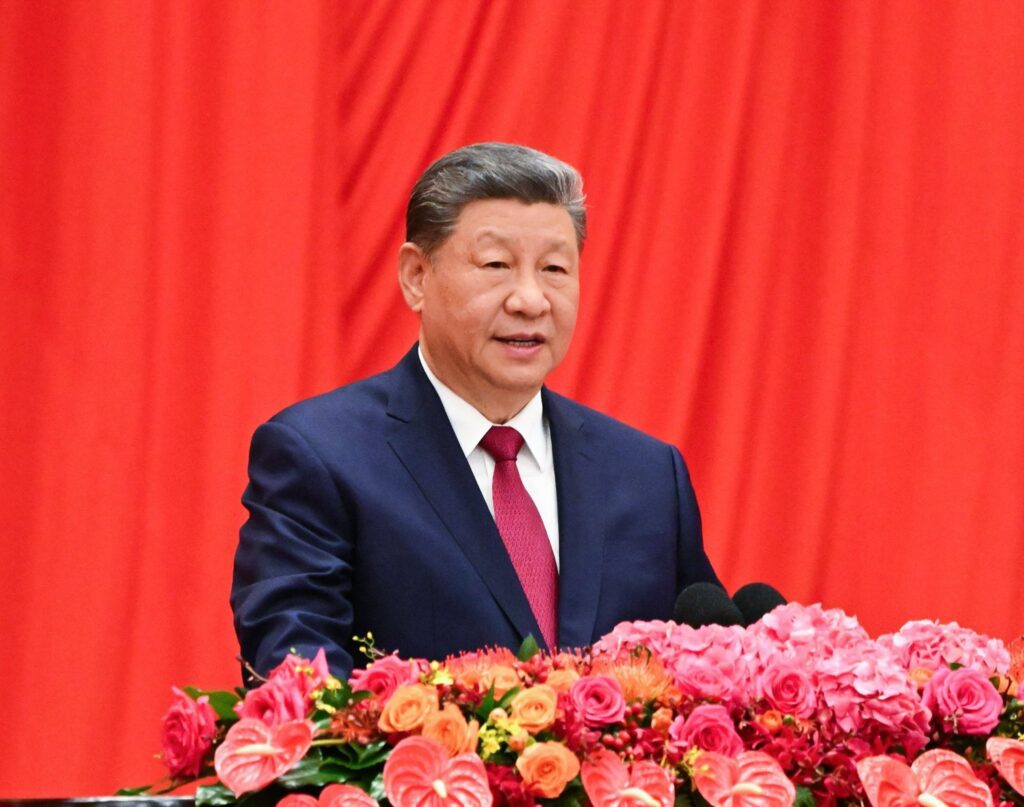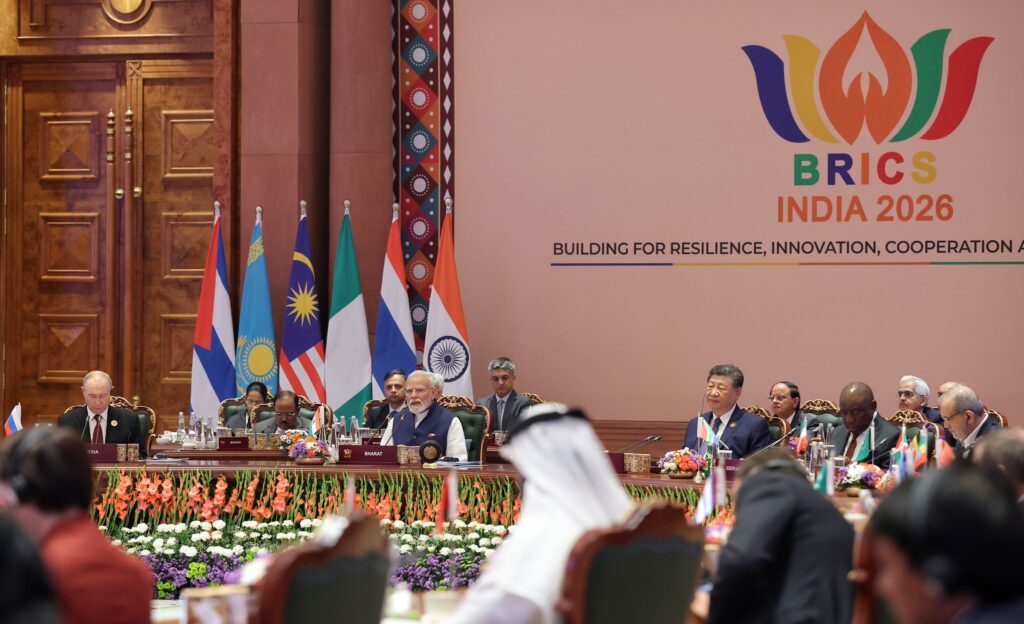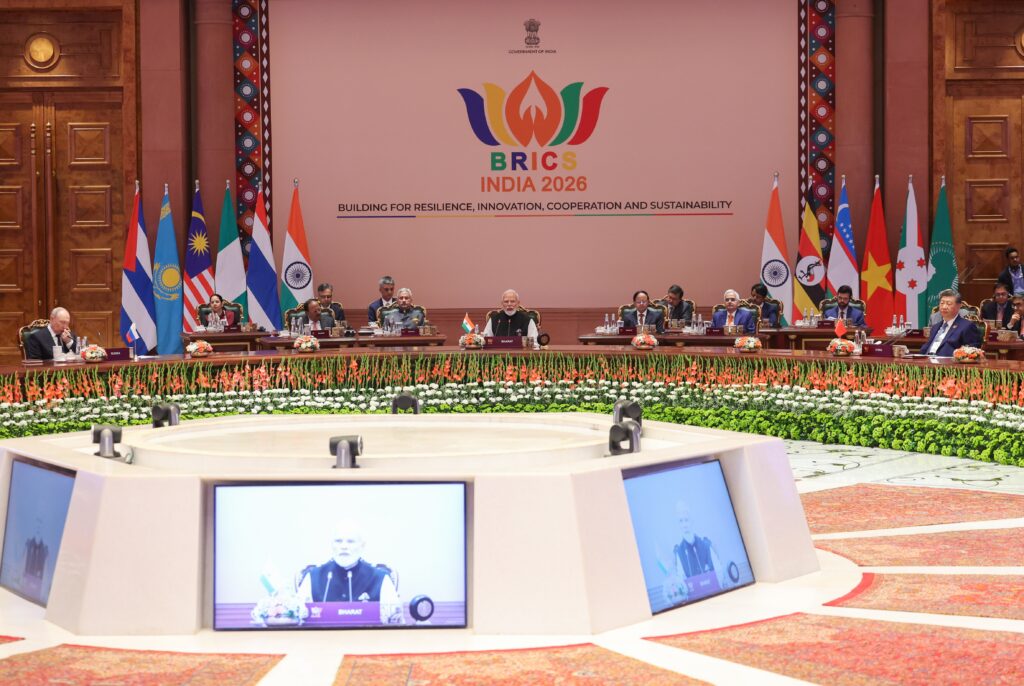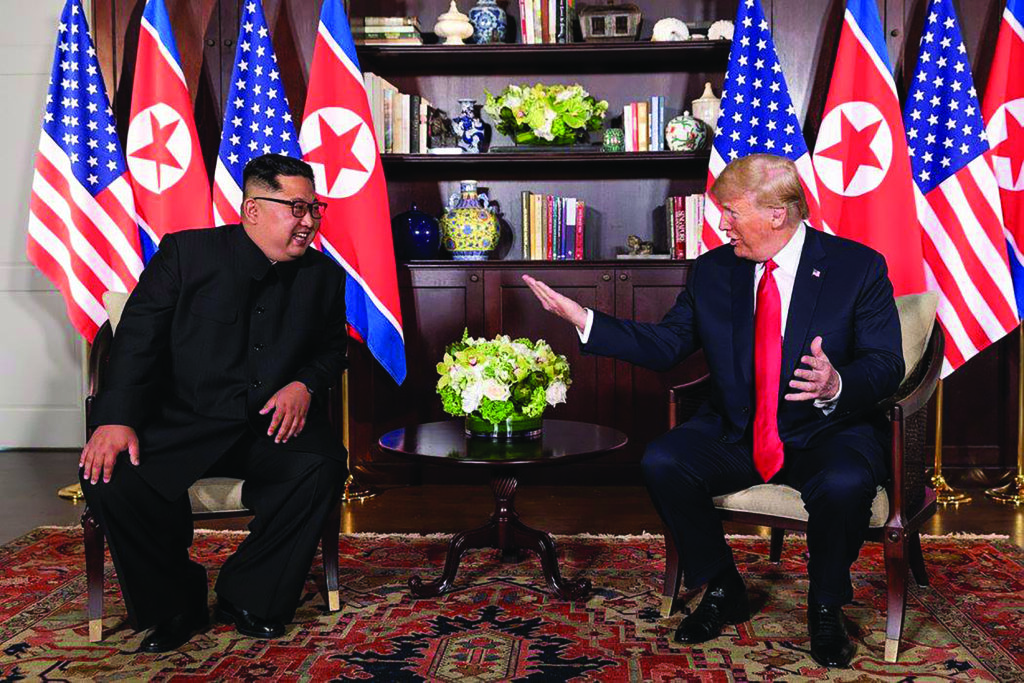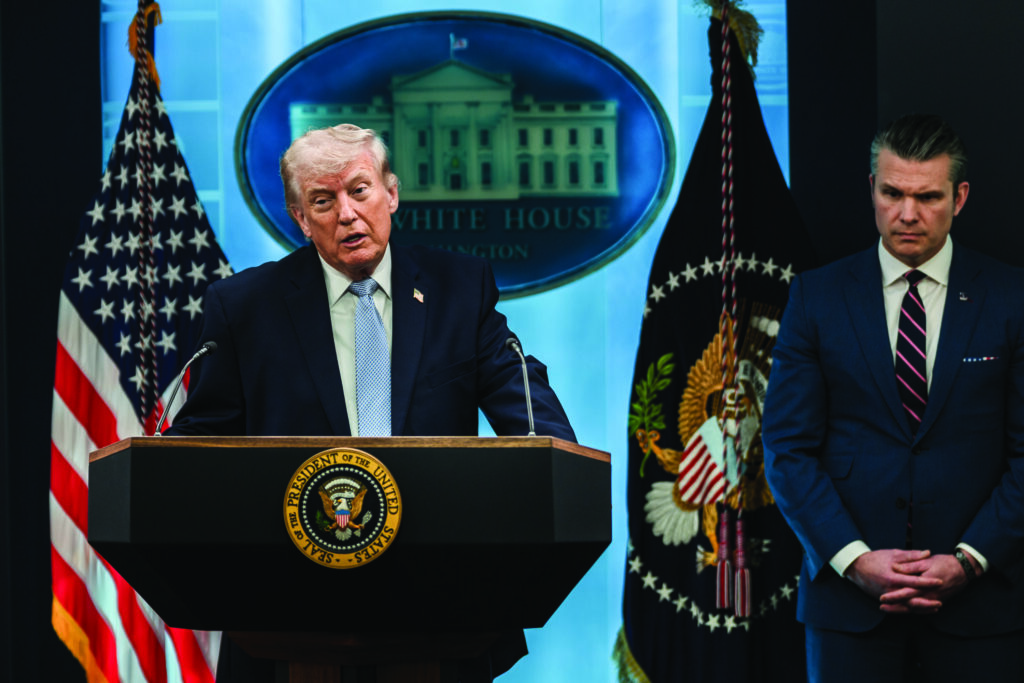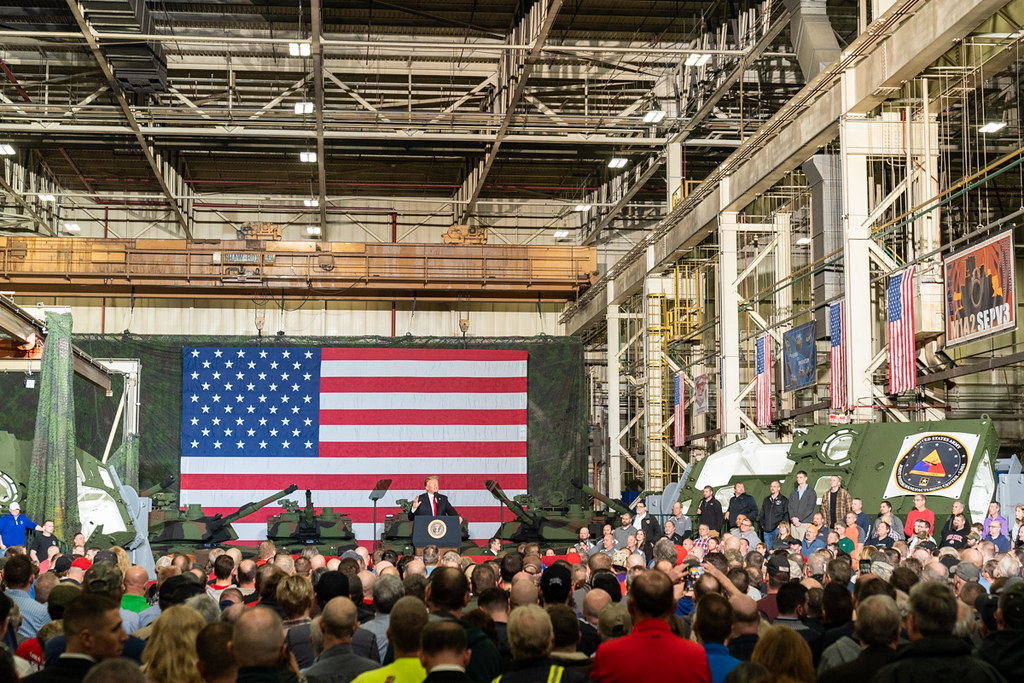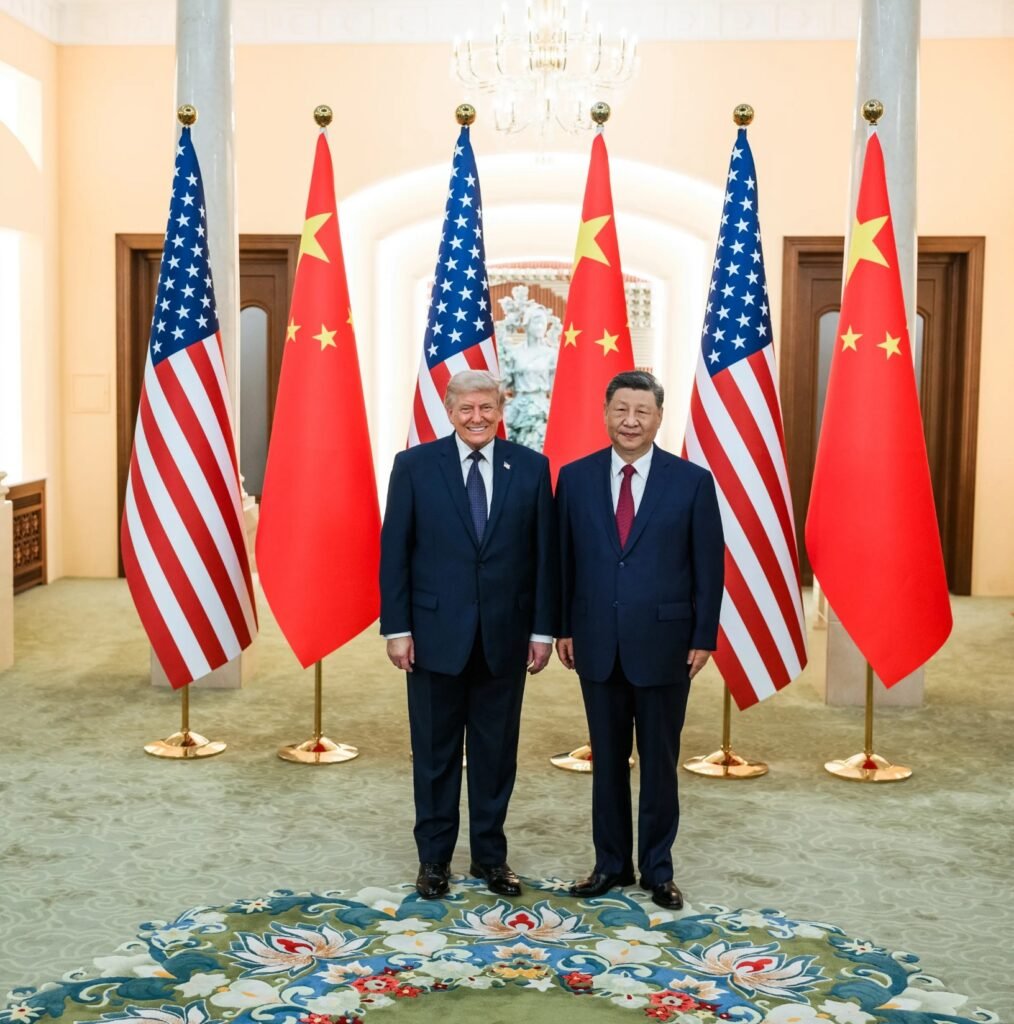
From May 13 to 15, 2026, Donald Trump concluded his highly anticipated state visit to China. This marked the second face-to-face meeting between the two leaders since Busan last October and represented the first U.S. presidential visit to China in nine years. The itinerary featured nearly nine hours of engagement, spanning formal negotiations, small-group sessions, and cultural tours.
While the two sides stopped short of announcing the rumored “Grand Bargain,” the emerging consensus on “Constructive Strategic Stability” captured global headlines. President Trump described it as a constructive relationship of strategic stability, while President Xi outlined four pillars: a positive stability with cooperation as the mainstay, a sound stability with moderate competition, a constant stability with manageable differences, and an enduring stability with promises of peace. Whatever else this phrase does, this framework represents the most significant recalibration of U.S.-China relations since 2017, when the U.S. first designated China a “strategic competitor.” Shifting away from the adversarial posture of the Biden era, Trump’s second term has shown an early inclination toward stabilizing bilateral ties, a gesture China reciprocated with meticulous preparation for the visit.