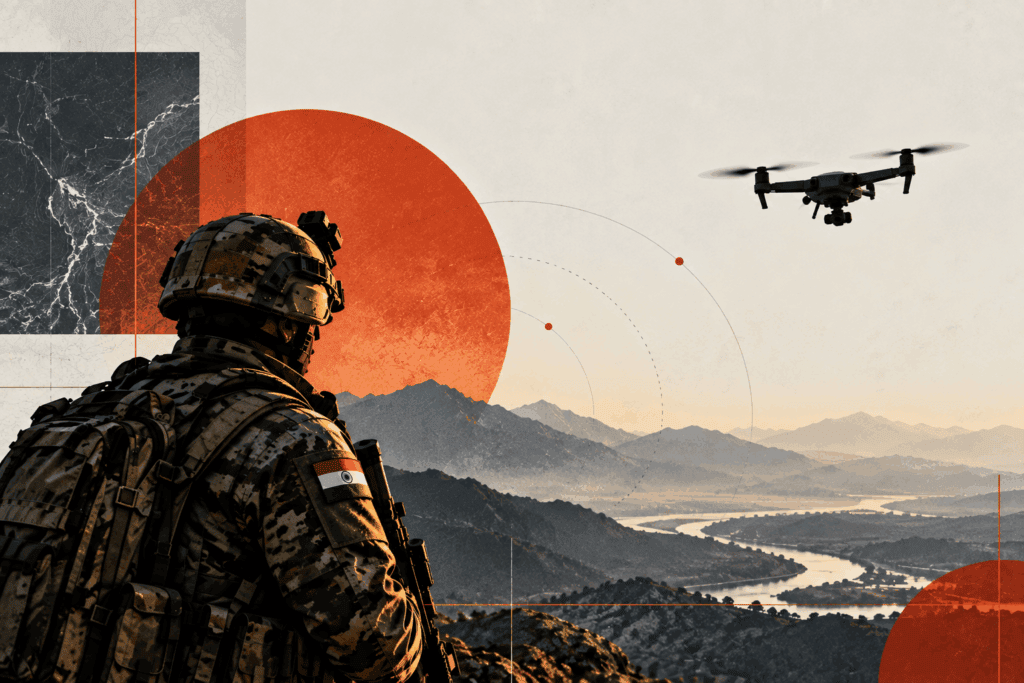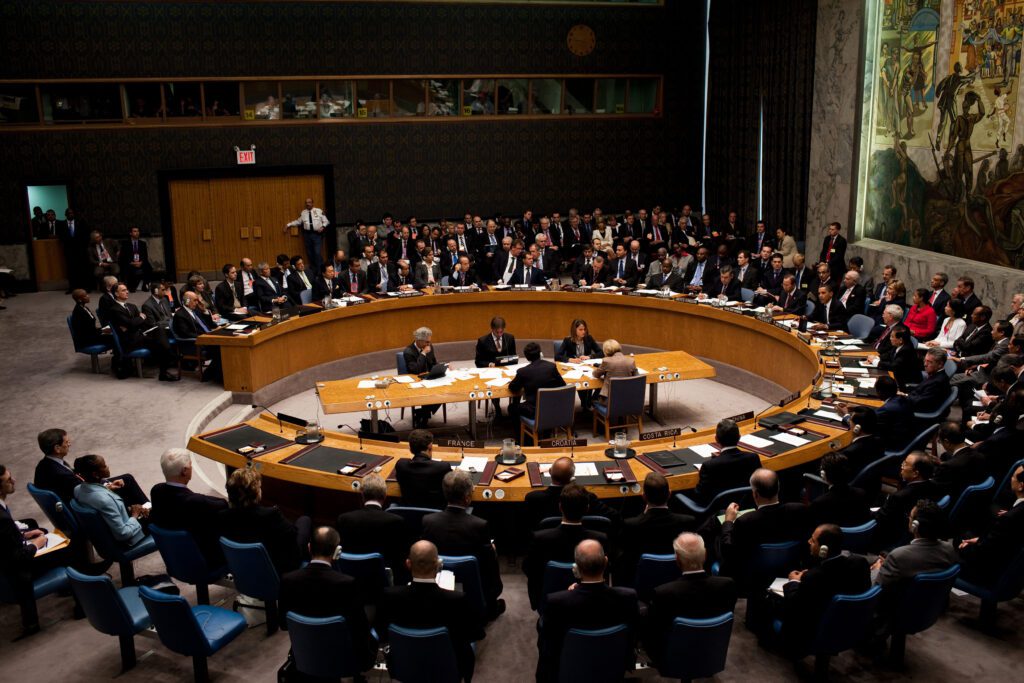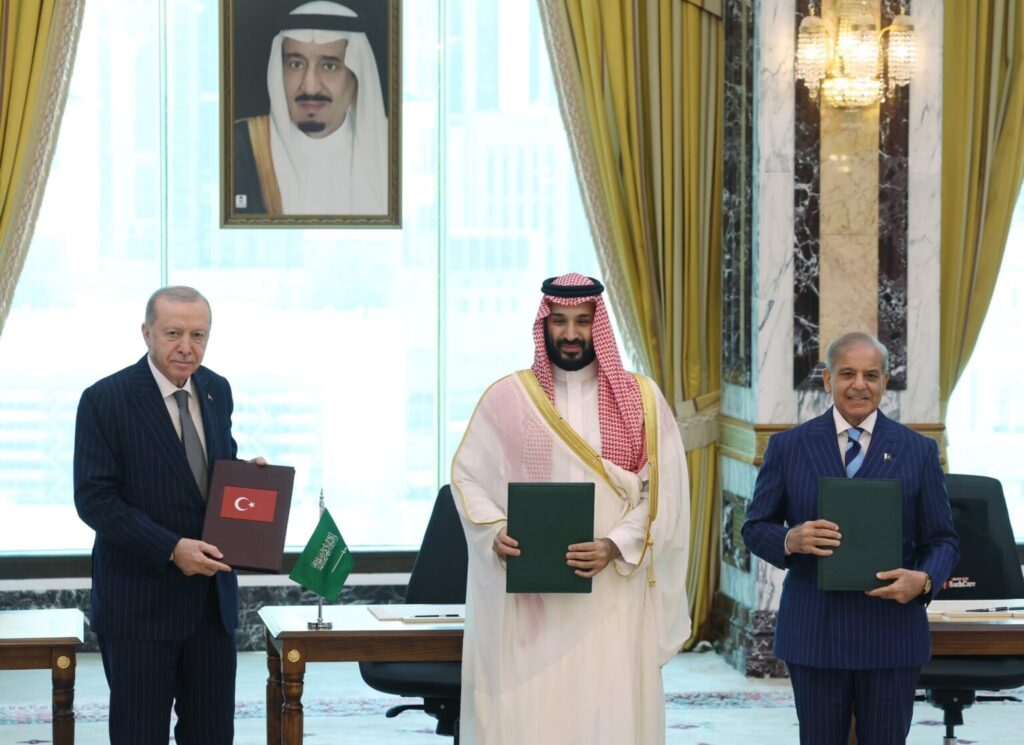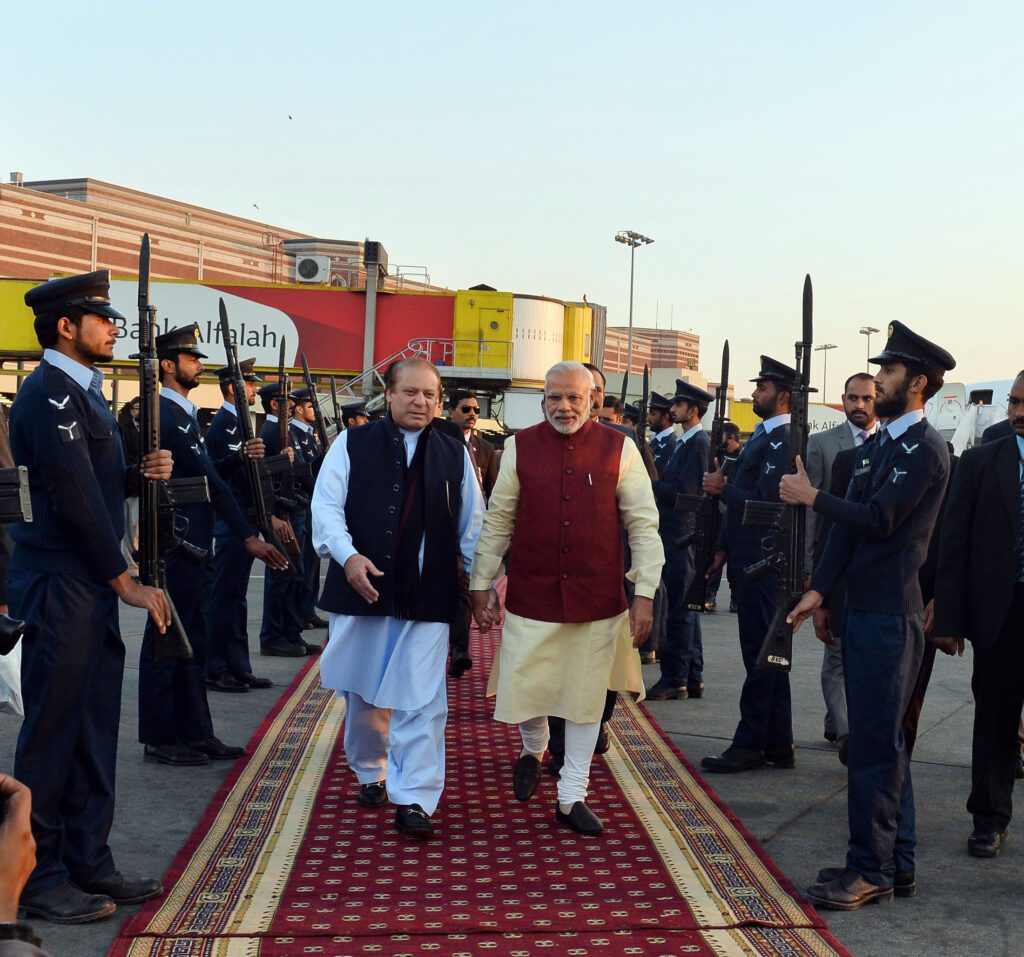
The most important lessons for India’s Indo-Pacific strategy may not be found in the South China Sea or the Taiwan Strait. They are emerging instead from the battlefields of Ukraine and the skies over Iran. What do these wars reveal about India’s future security?
Will India’s SAGAR framework continue to be suitable for the instability that is emerging in the Middle East? How will wars in Ukraine and Iran shape India’s Indo-Pacific engagement, and why is it important for New Delhi’s foreign policy that is based on the pursuit of multipolarity and multi-alignment?
To answer these questions, history is a good teacher but a poor master.
Napoleon allegedly once said, “Never interfere with your enemy when he is making a mistake”. Whether recent US operations in the Strait of Hormuz prove successful or not, a broader question deserves attention, as Marcus Tullius Cicero would ask, cui bono—who benefits most from the consequences? The answer may not lie with any of the principal actors involved in the crisis. Instead, the greatest long-term beneficiaries may be the governments, militaries, and industries quietly studying the conflict from afar, including India.