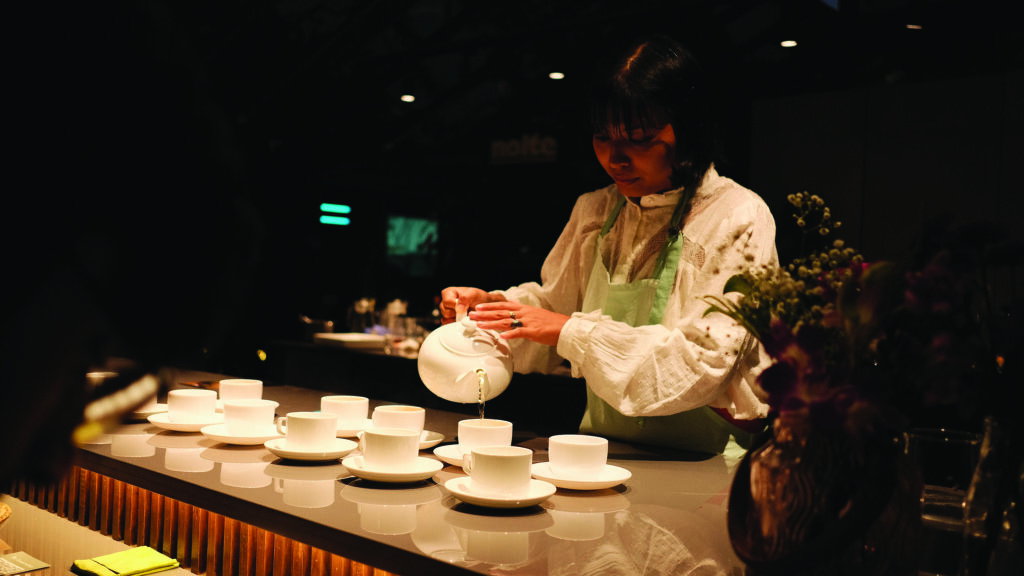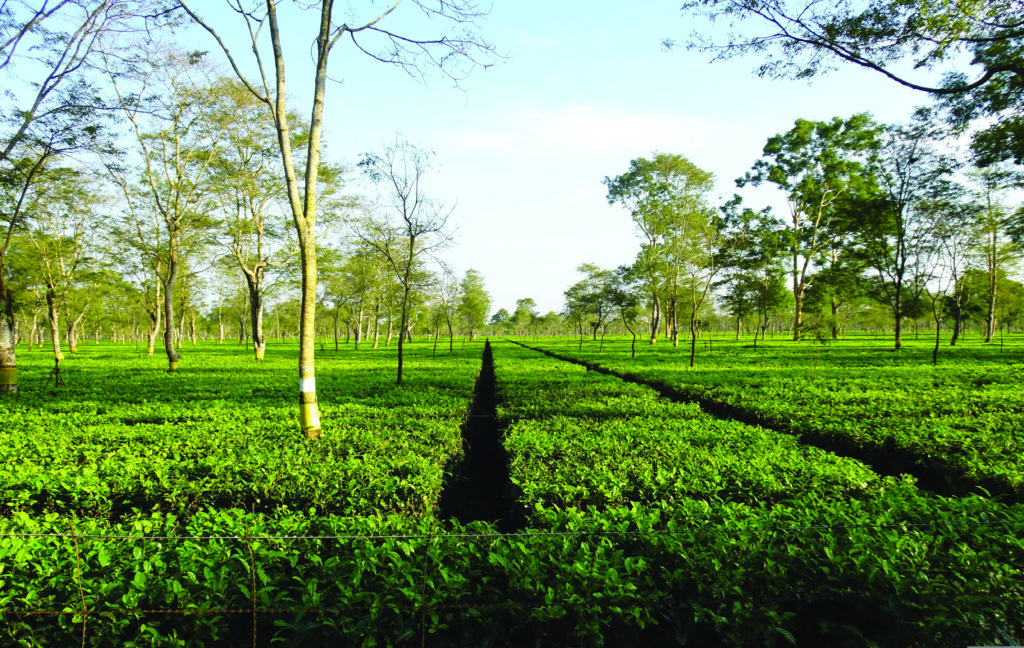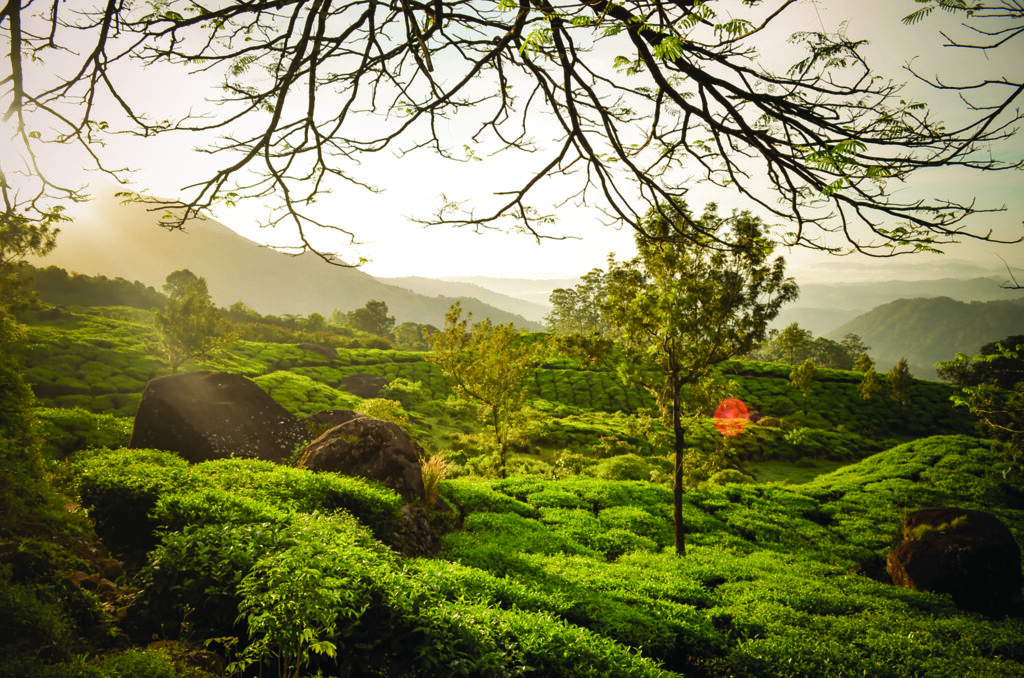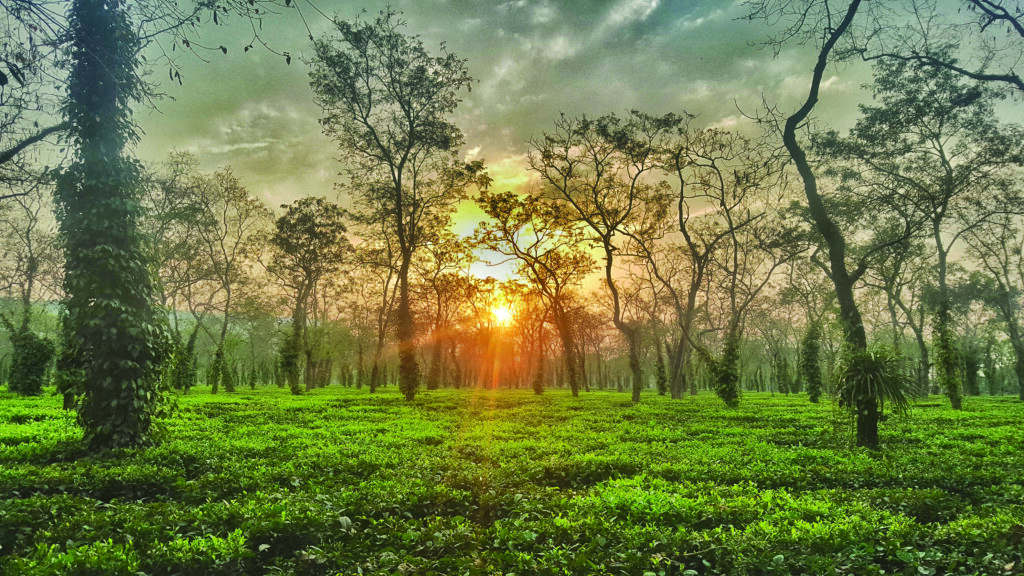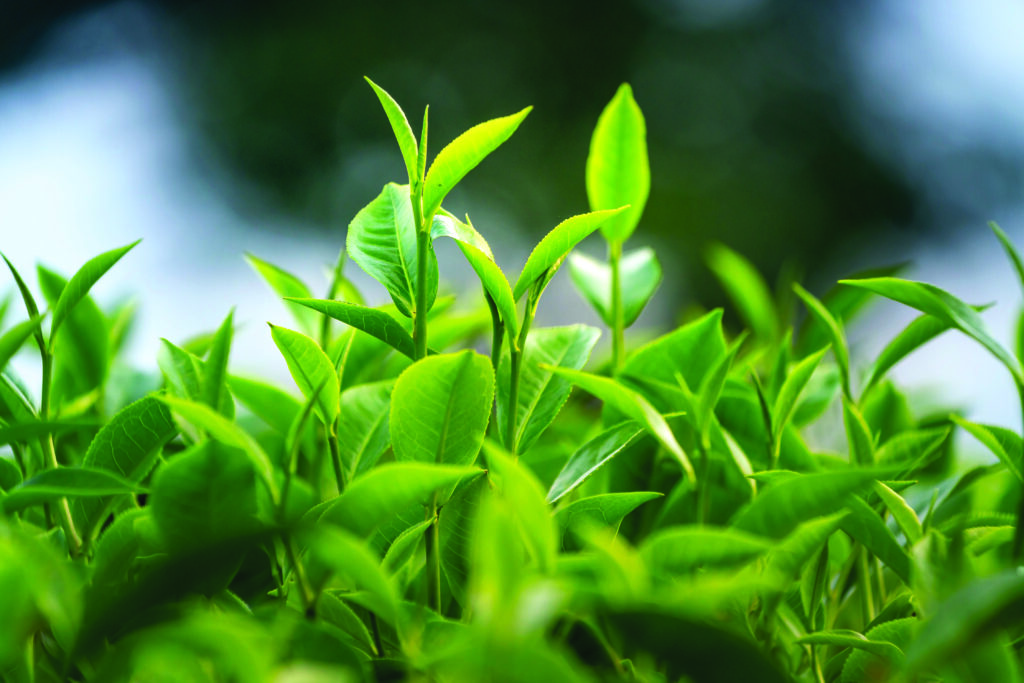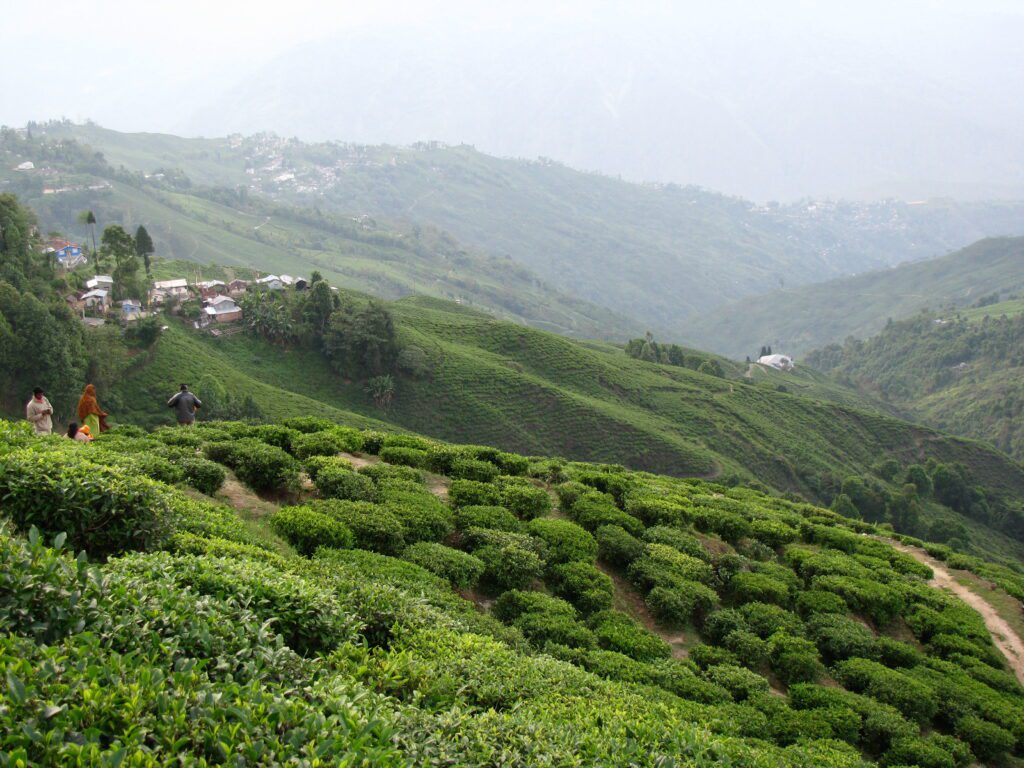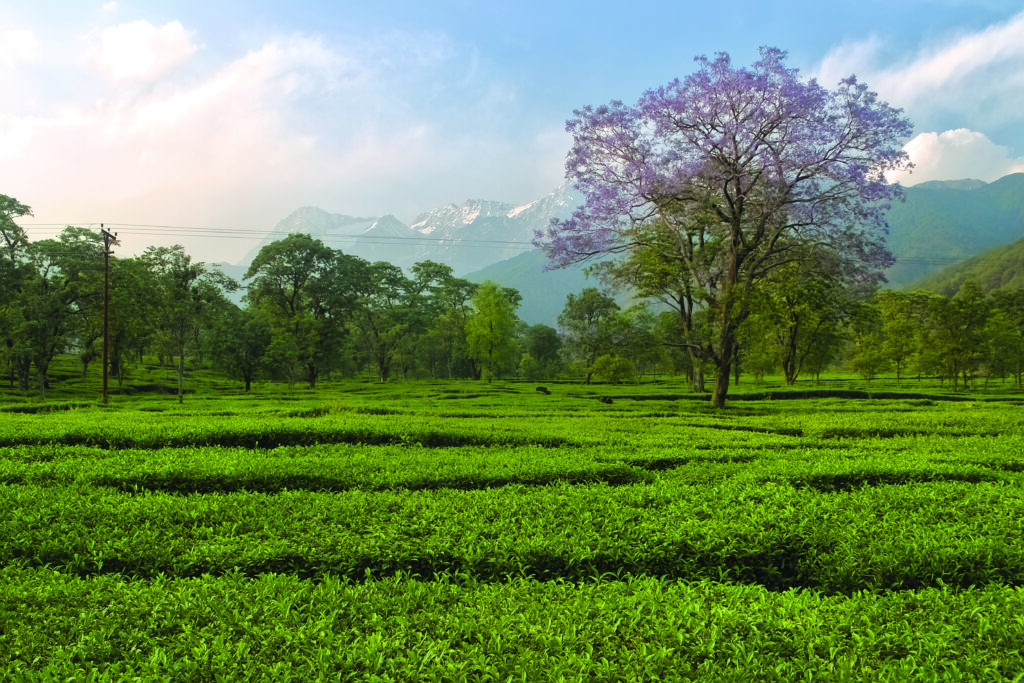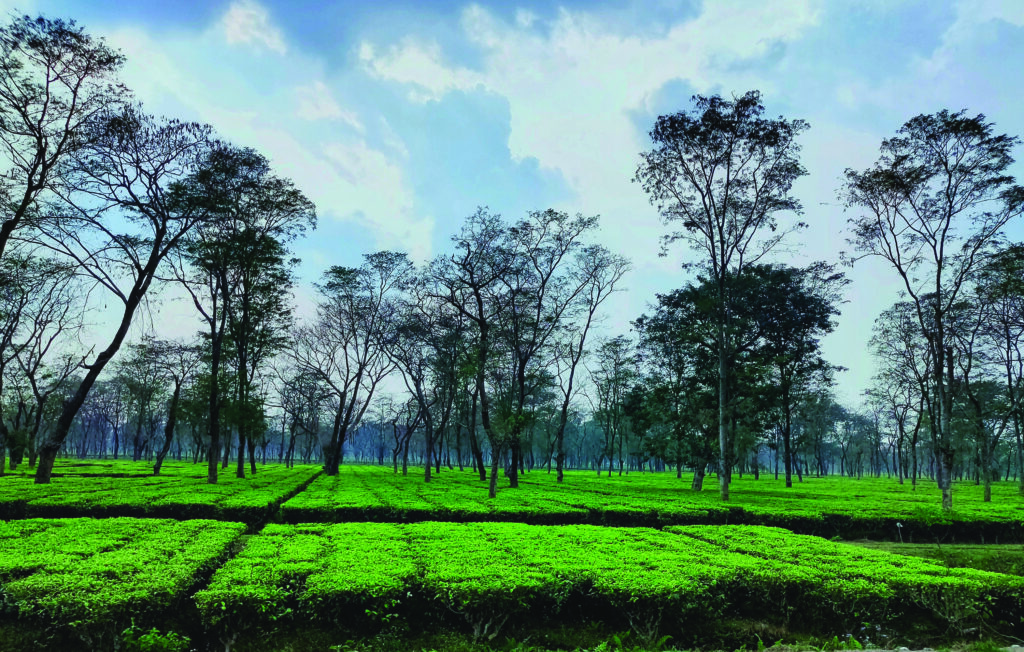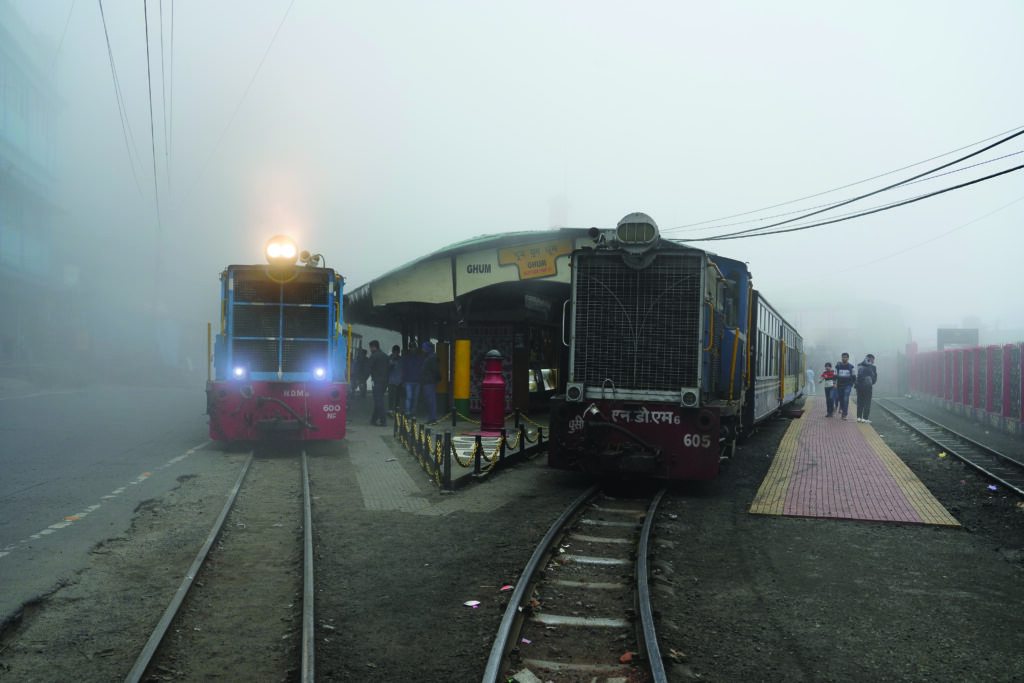
The three-lettered romance lives on even in these times of bustle, but the special aroma of Darjeeling teas, which come from its unique high-altitude climate, is changing due to erratic weather.
In the heat of Delhi, when the charms of an old-world haveli took my mind back to the Mughals, London-based travel consultant Anthony Kingsley’s mind drifted to the misty mountains of Darjeeling.
The Mughals gave us miniatures, but the British transformed tea into an industry in India. And without tea, where would we all be? India is a tea-drinking nation, much in the same way that America is obsessed with coffee. In one of the stories featuring Feluda, there is a remark made by his cousin Topshe about how the famous fictional detective prefers Makaibari tea, which is arguably the country’s best-loved tea garden. Situated in Kurseong, it was the first tea garden to be planted in Darjeeling after commercial planting commenced in the 1850s. The British chose Darjeeling because its cool climate provided favourable conditions for growing tea, as they sought to end China’s monopoly.