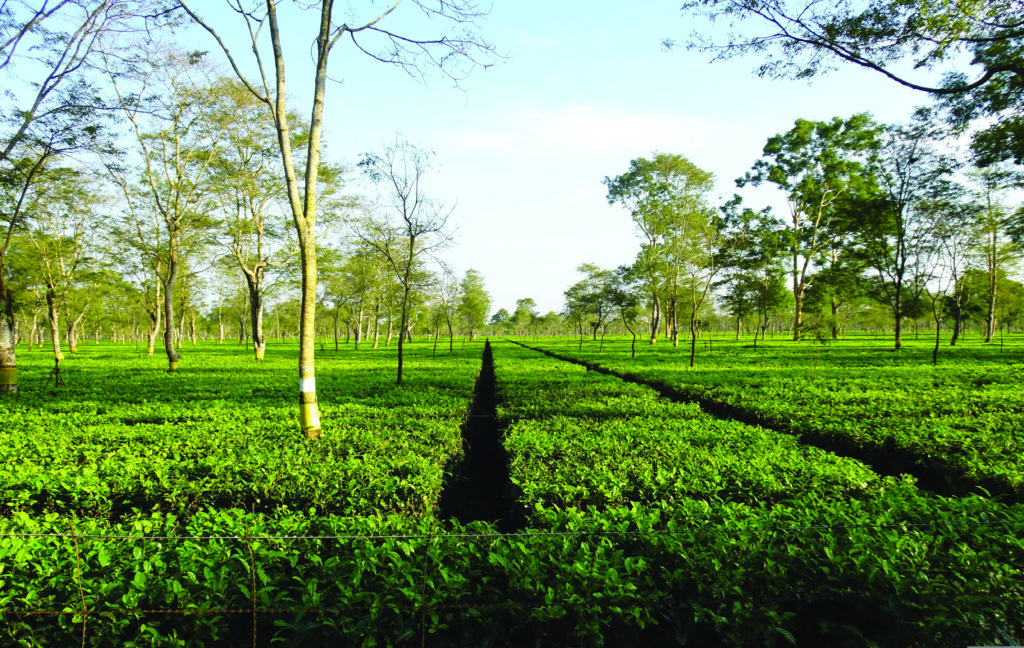
What happens when the climate that made India’s tea famous begins to disappear? Across the country’s tea landscapes, the answer is already unfolding.
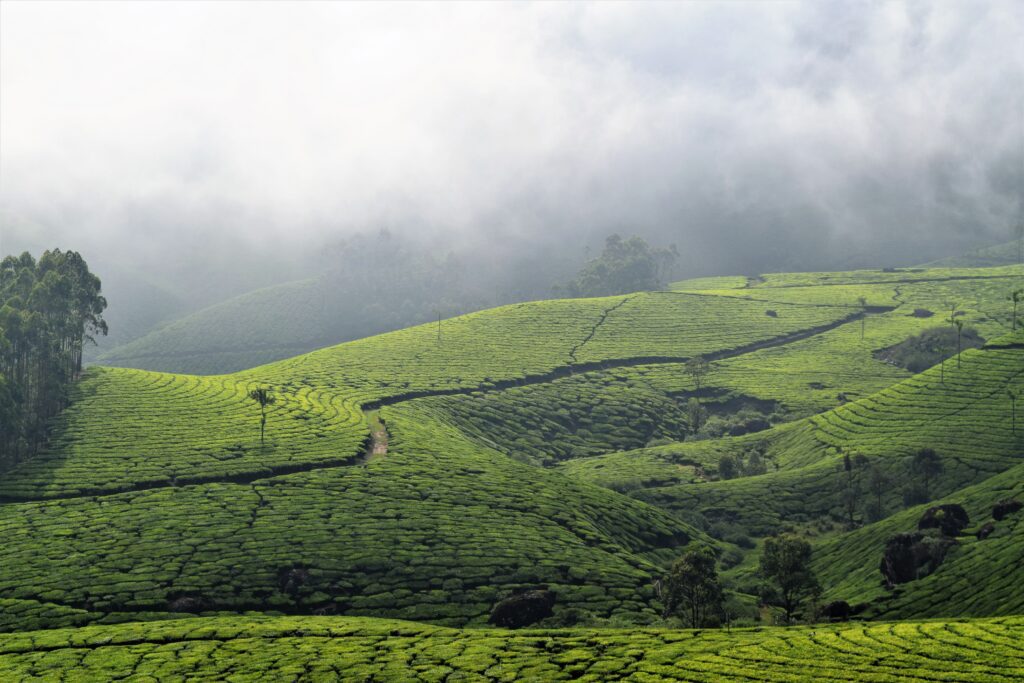
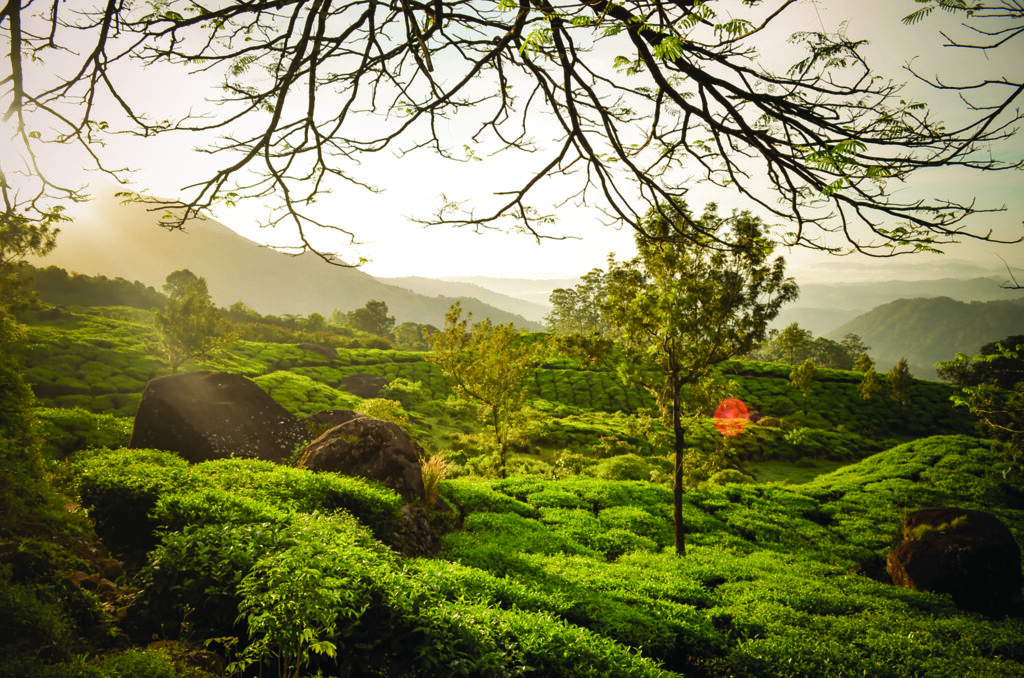
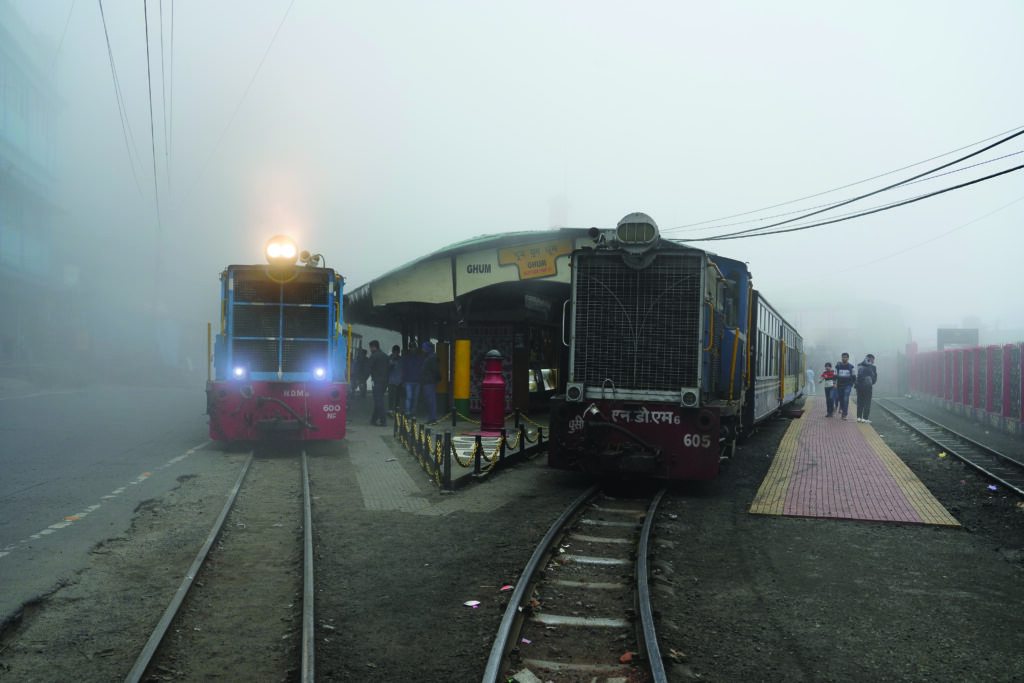
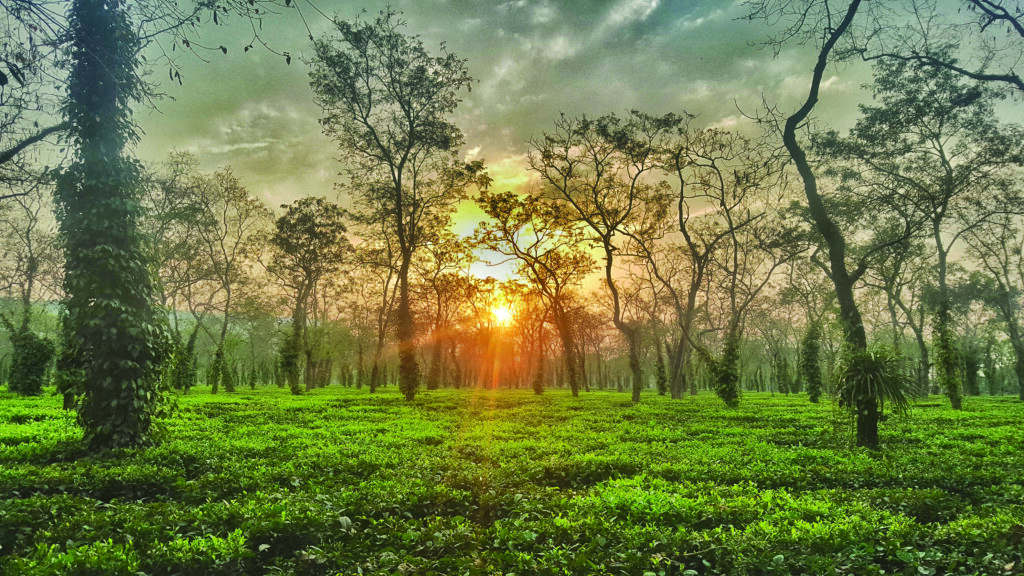
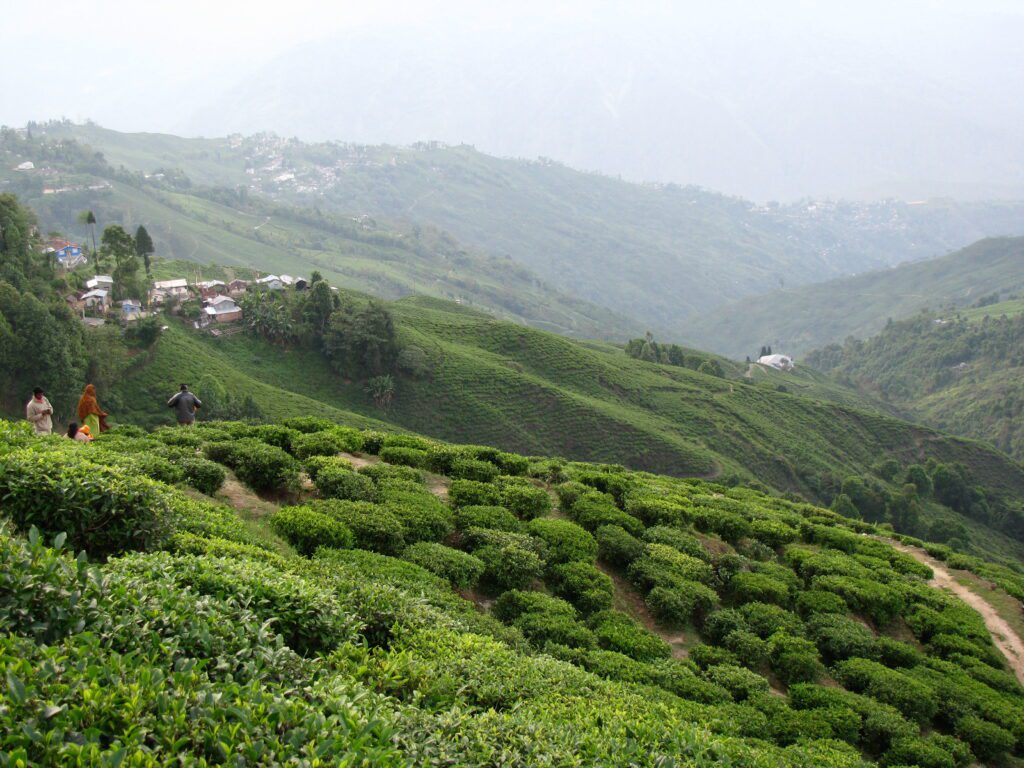
Indian tea is inseparable from its landscapes: the vast lowlands of Assam, the mist-covered slopes of Darjeeling, the high ranges of Kerala, the blue mountains of the Nilgiris. But these landscapes are changing. Rising temperatures, shifting precipitation patterns, dry spells, declining humidity and more frequent extreme events are changing the conditions that make Indian tea unique.
The changes are not the same everywhere. That may be the most interesting thing to understand about the climate threat to the Indian tea industry.
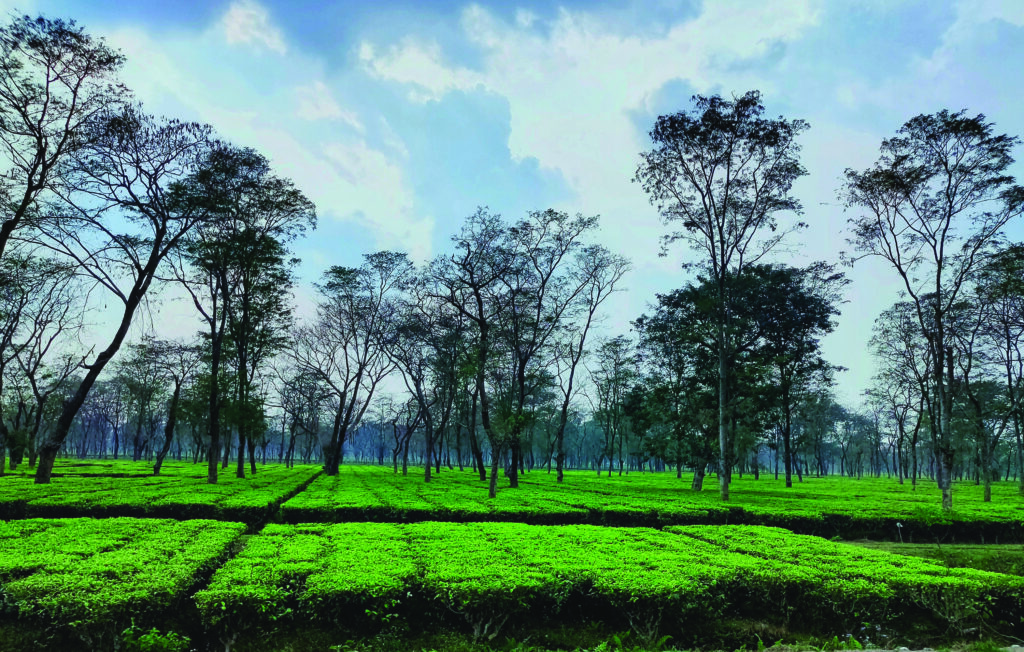
A recent study by the Tocklai Tea Research Institute (TTRI), Tea Research Association (TRA) and United Planters’ Association of Southern India Tea Research Foundation (UPASI TRF), based on 30 years of observations from four tea-growing regions—South Bank in Assam, Nagrakata in West Bengal, Anamallais in Tamil Nadu and the High Ranges in Kerala—shows that climate change is not affecting all tea regions uniformly. The direction and intensity of change vary by location and season. In South Bank and Nagrakata, for example, maximum temperatures have increased by 1.1–1.3°C compared with long-term averages. Afternoon relative humidity has also declined. South Bank is also experiencing greater moisture stress during flushing periods, while Nagrakata has seen increasingly unpredictable rainfall during peak seasons, even though its long-term annual rainfall shows no apparent decline.