Cast aside shibboleths: Europe needs to understand the logic of India’s multi-alignment

India’s foreign policy is often misunderstood as either Westward-leaning or China-tilted, yet its guiding principle is strategic autonomy. Far from

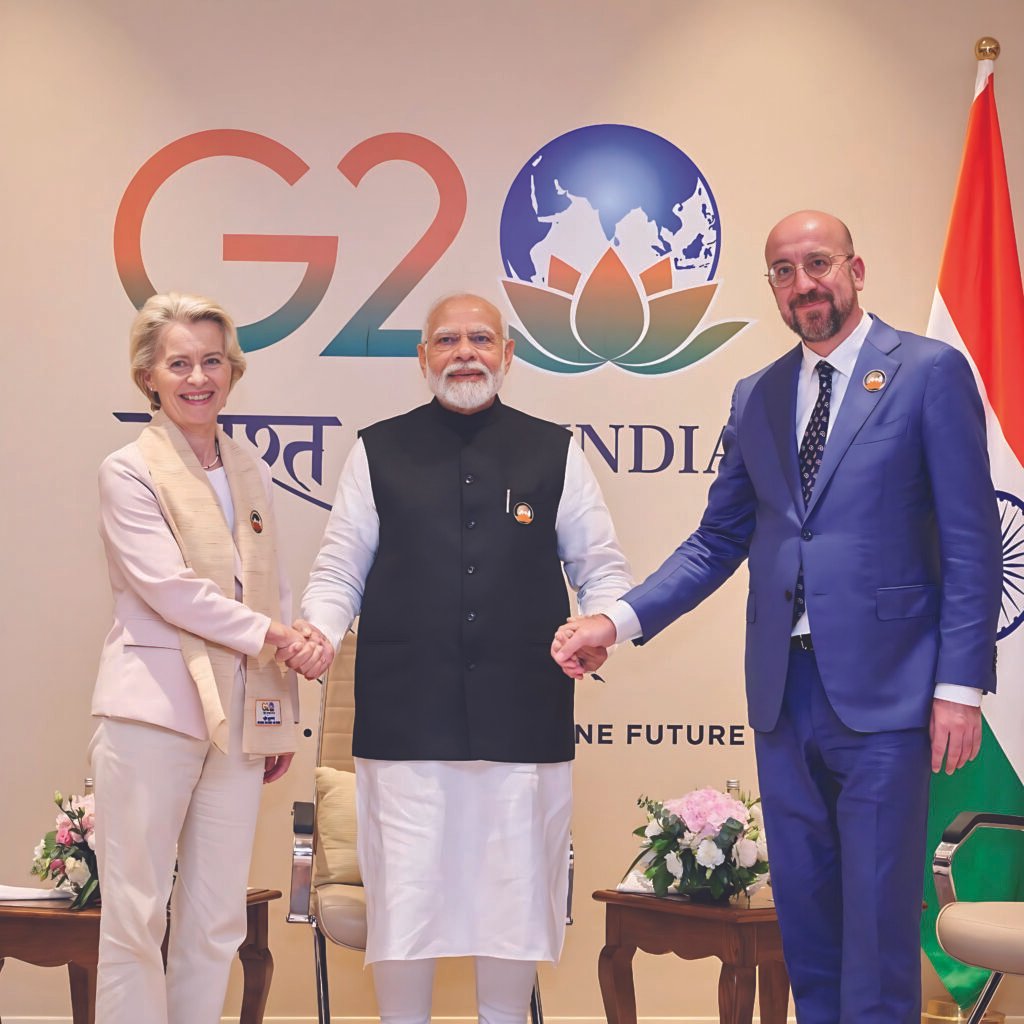
Corridors of Cooperation | Indian Prime Minister Narendra Modi with European Commission President Ursula von der Leyen and President of the European Council António Costa during the G20 Summit, where leaders launched the India–Middle East–Europe Economic Corridor, marking a milestone in India–EU strategic and trade cooperation. | Image Courtesy: Ursula von der Leyen / X

Audio Option is available to paid subscribers. Upgrade your plan

Audio version only for premium members

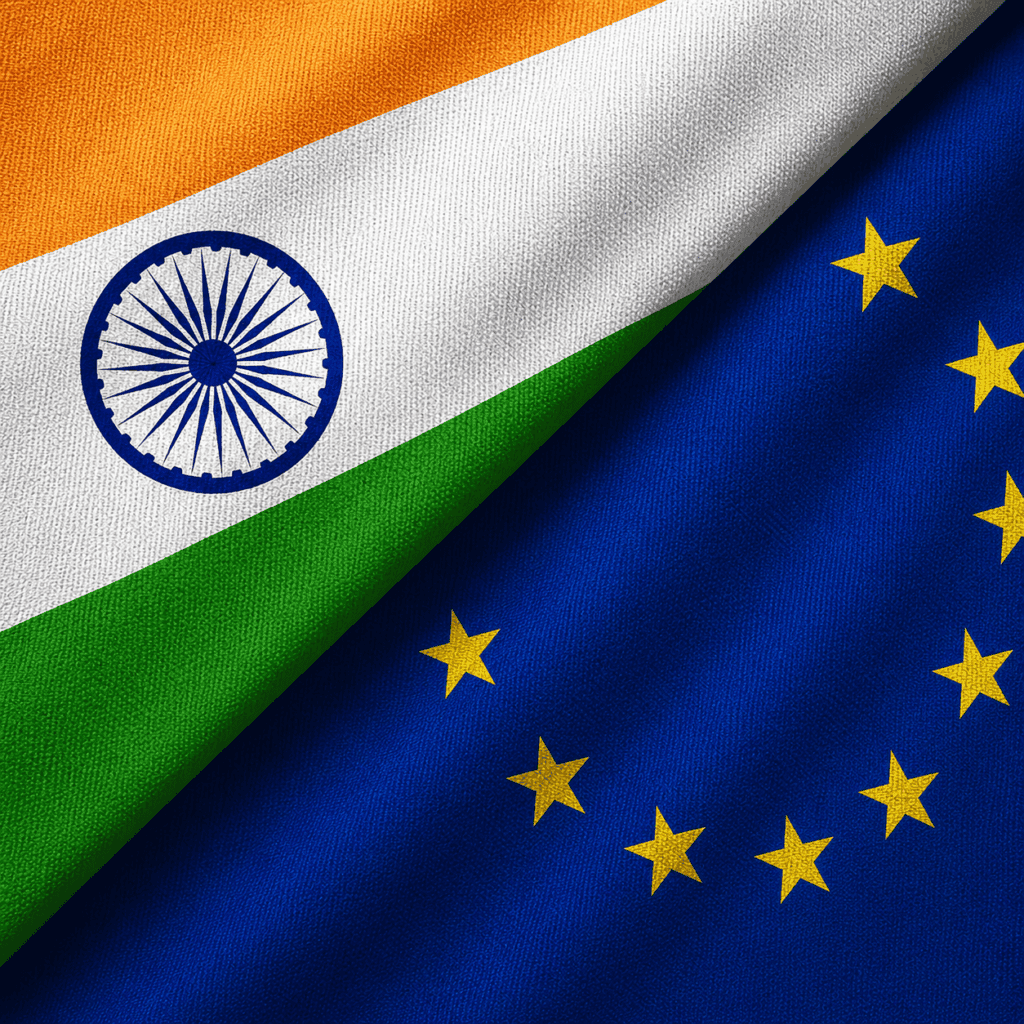
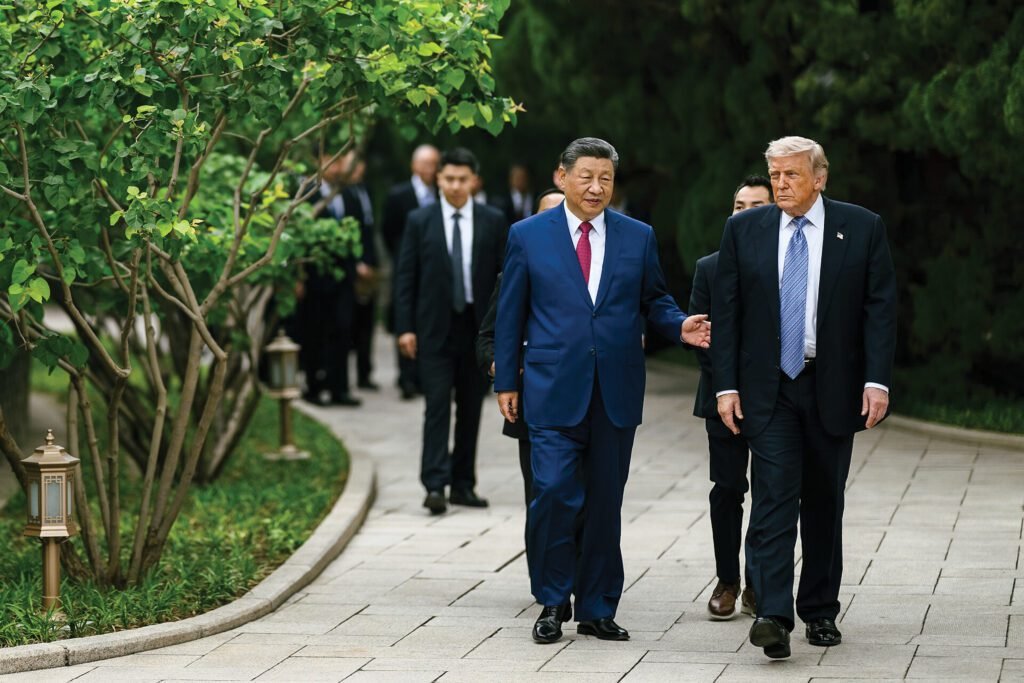
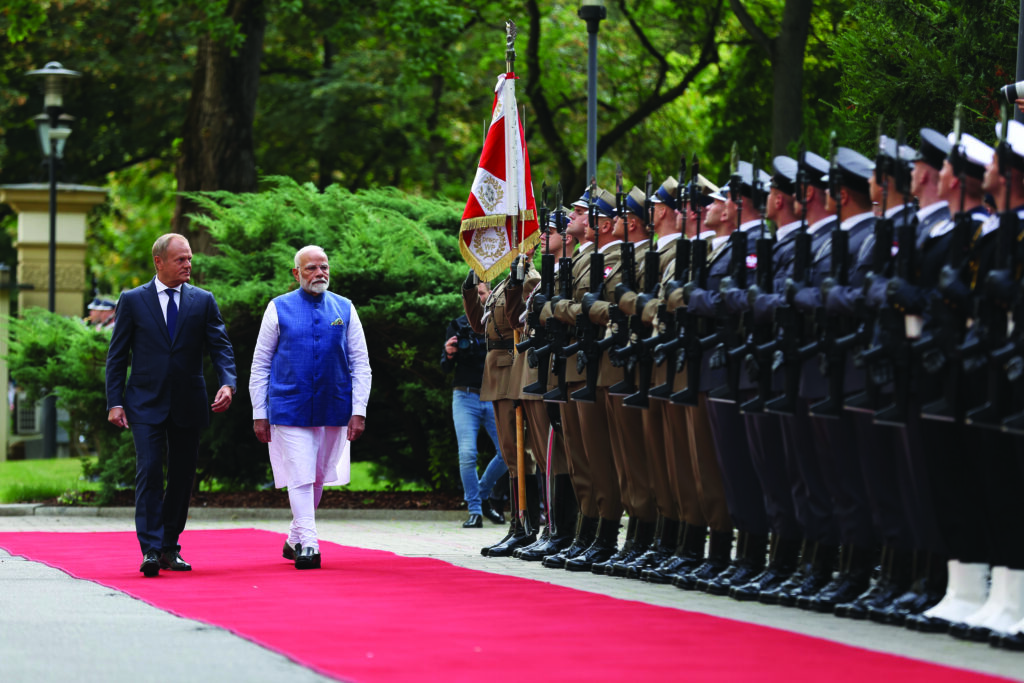
India’s foreign policy is often misread through the wishful lenses of others: When Washington is warm, observers see a decisive tilt to the West; when Washington is coarse, commentators predict an embrace of China or BRICS. But both readings mistake motion for direction. India’s statecraft is not about choosing sides; it is about multiplying options and finding an equilibrium optimal for a power in development mode that India still is. The operating system will remain multi-alignment. This strategic habit was formed by history, geography, and India’s political economy. New Delhi will keep hedging, bargaining, and balancing–despite the handshakes, hugs and choreography at the recent SCO summit. Behind all the optics lies a major opening for Europe to engage more with India strategically, if the old continent engages New Delhi correctly.


' This article is only available to subscribers of India's World. Already a subscriber? Log in

Subscribe to India’s World to read more.

Login or Register To Unlock The Content!

Latest Stories

Related Analysis