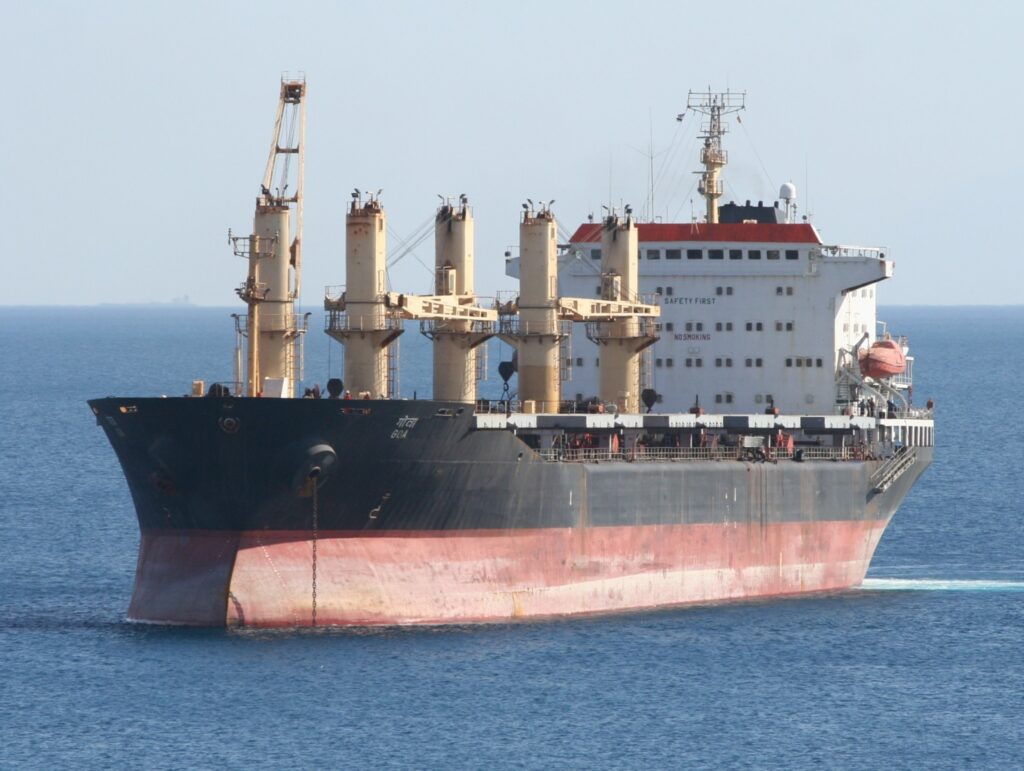
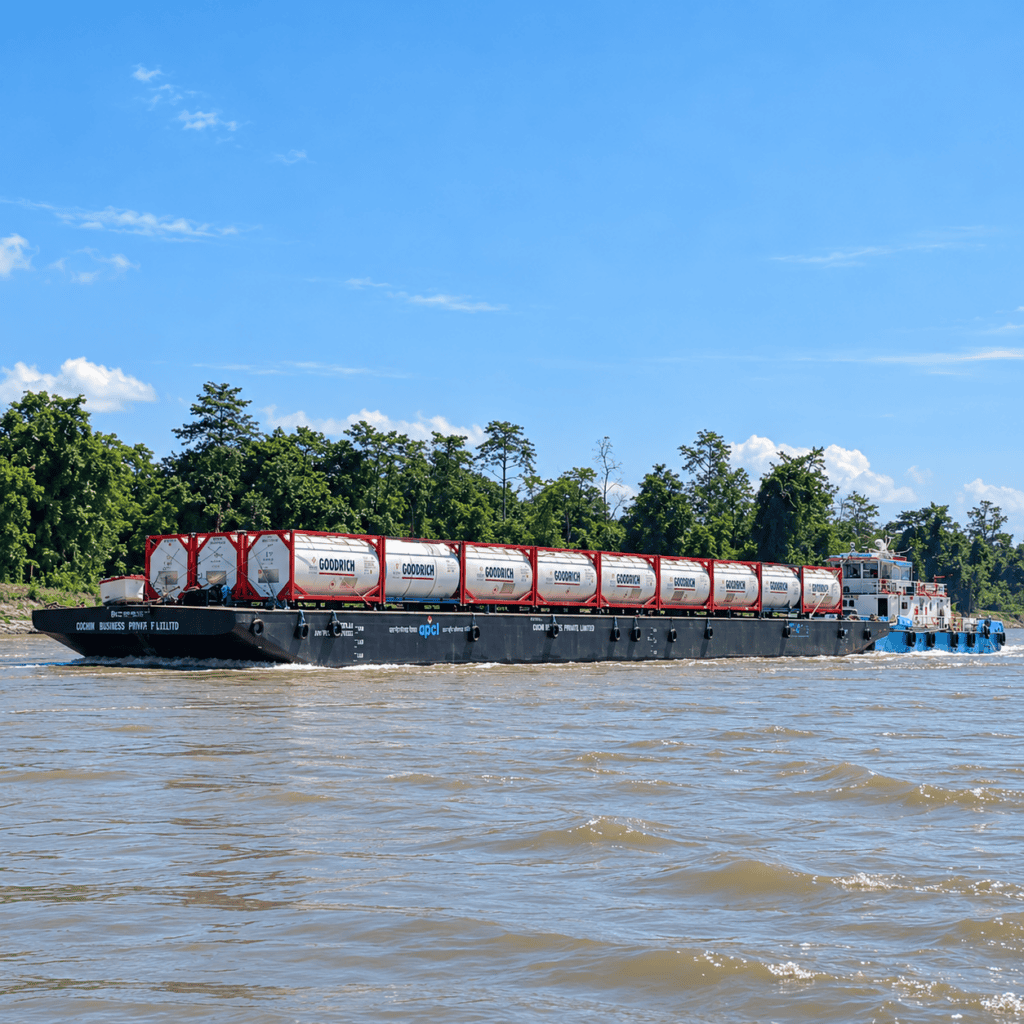
On 5 October 2026, a barge (a broad, flat-bottomed vessel used to carry goods on rivers and other inland waterways) left the Bogibeel terminal in Dibrugarh, Assam, carrying 540 metric tonnes of methanol bound for Bangladesh. Produced by state-owned Assam Petro-Chemicals Ltd (APCL) at Namrup, the cargo is being transported aboard the DLB Patkai, pushed by the tug Kushal Konwar. The Ministry of Ports, Shipping and Waterways described the departure as the first cargo consignment to travel from Upper Assam to a foreign port by river since Independence. The journey has revived interest in a trade route that fell out of use decades ago. More importantly, it puts a long-standing proposition to the test: can the Brahmaputra provide a commercially viable route for moving goods from the Northeast to markets beyond India?
The distinction matters. This is not a new international waterway: India and Bangladesh already allow vessels to use designated routes in each other’s territory. What is new is the movement of a commercial consignment originating in Dibrugarh through that network. The question is whether the route can offer businesses predictable delivery times and competitive costs under the existing Indo-Bangladesh Protocol on Inland Water Transit and Trade.
A River Route Reopens
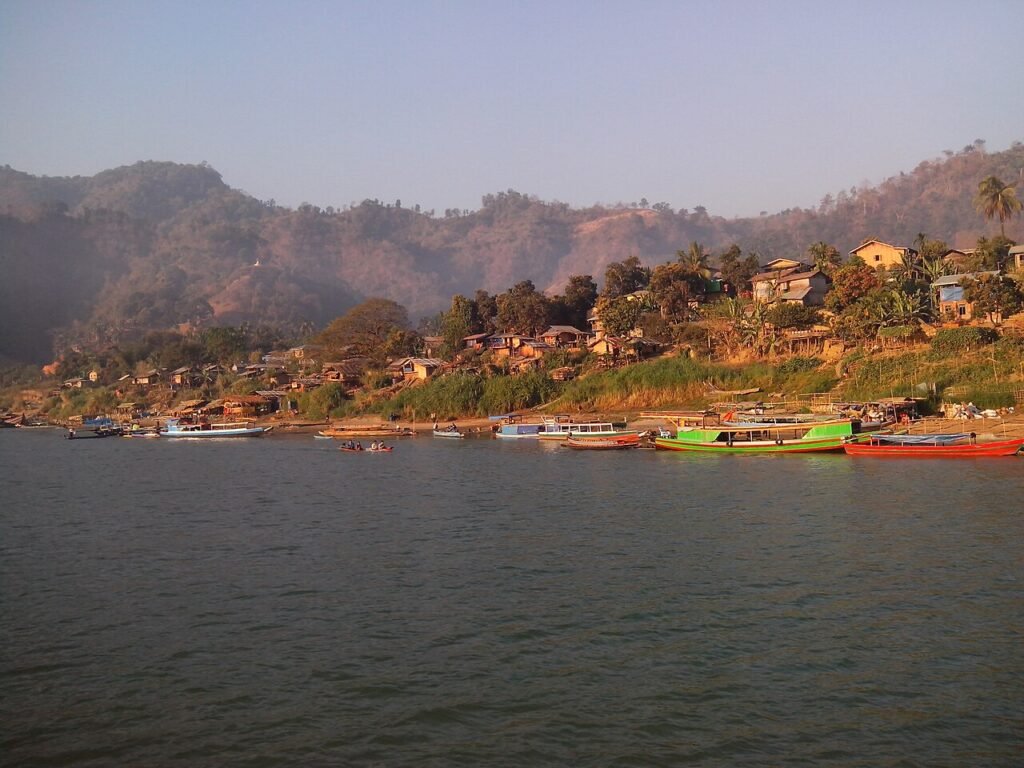
The barge is expected to travel around 768 kilometres along National Waterway-2 (NW-2), following the Brahmaputra to the India-Bangladesh border before continuing along the Indo-Bangladesh Protocol Route. The full journey will cover approximately 1,300 kilometres. The Inland Waterways Authority of India (IWAI) identifies NW-2 as the 891-kilometre stretch of the Brahmaputra between Sadiya and the Bangladesh border.
The voyage depended on infrastructure built around the river, including the Bogibeel cargo terminal and customs and immigration facilities at Bogibeel and Dhubri. A freight route needs more than navigable water: cargo must be handled, cleared, and transferred between transport systems. The government’s account of the first consignment identifies these facilities as part of what enabled the movement.
How Partition Cut Assam Off
Dibrugarh was once an important river port. Government steamers connected it with Calcutta, now Kolkata, by 1856. By the early twentieth century, vessels carried tea, timber, and passengers along the Brahmaputra, linking Assam with commercial centres farther west, as the official account of the shipment recalls.
Partition in 1947 disrupted routes through what became East Pakistan. A 1950 earthquake altered the riverbed near Dibrugarh, while tea shipments increasingly moved to rail. Regular bookings at Dibrugarh Ghat stopped in 1954, and the ghat closed on 15 October 1956, according to the government’s account. Partition was not the only cause of decline, but it changed the political geography of trade while shifts in the river and transport choices weakened the old route further.
The voyage does not restore the pre-Partition system. It tests whether parts of that connectivity can be rebuilt through present-day infrastructure and agreements. The protocol framework for cross-border inland cargo is a contemporary arrangement, not a recreation of the past.
Bangladesh, the Missing Link
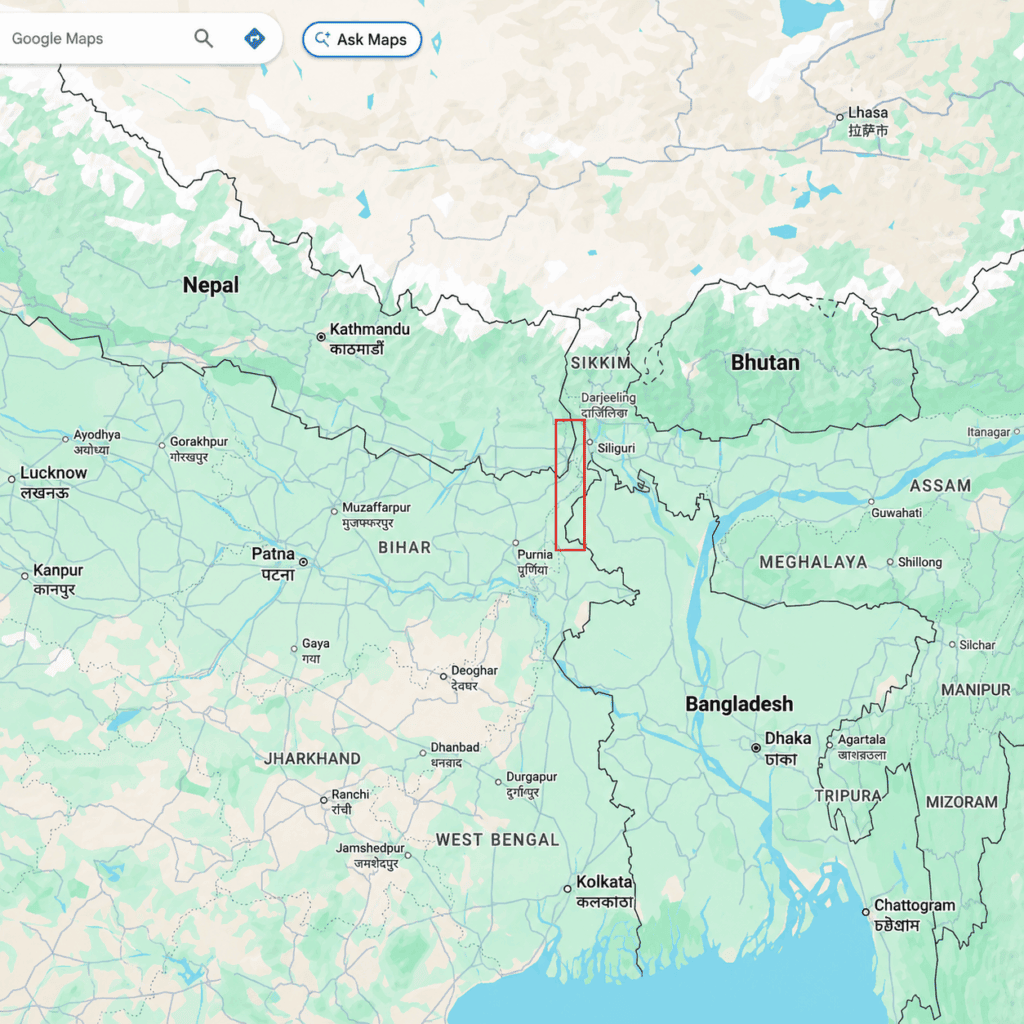
For Upper Assam, Bangladesh could be both a market and a transit route towards wider commercial networks. Its waterways connect the Brahmaputra with ports farther south, offering an alternative to sending all goods by road and rail through the Siliguri Corridor towards West Bengal. The Indo-Bangladesh Protocol Route provides the framework for vessels to use designated routes in both countries.
The protocol makes geographical proximity usable, but an agreement does not guarantee efficient transport. The route must offer practical advantages over alternatives. Rajendra Prasad Patel’s study, “India-Bangladesh Connectivity: Implications for India’s North East Development”, argues that infrastructure gaps and administrative barriers have limited the region’s access to markets. Dibrugarh’s voyage tests whether one connection can be made commercially useful.
Can Assam Reach New Markets?
APCL’s methanol provides the first test of the route’s commercial potential. Petroleum and petrochemical products, coal, tea, and some agricultural goods could also be considered, provided shipment volumes, handling requirements, and demand justify the journey. These are possibilities, not confirmed export plans. Reporting on Bogibeel’s cargo potential has identified other goods that could be moved in future.
The economics will vary by commodity. Large industrial consignments can spread handling costs across substantial volumes; smaller or perishable shipments may be less suited to extra loading, unloading, and storage. Producers must also meet buyers’ delivery schedules. The Jalvahak scheme, which encourages a shift from road and rail to waterways, reflects the need to make the full logistics chain work.
If the route proves useful, regular traffic could encourage logistics providers to build services around Bogibeel and give other manufacturers another way to reach buyers. But that depends on businesses using the route, not simply on the terminal’s existence. The IWAI profile of NW-2 places Bogibeel within the wider freight network.
The Economics of Moving Cargo
Khandaker Rasel Hasan, M Ziauddin Alamgir, and M Shahedul Islam’s study, “India-Bangladesh Trade: The Prospect of Inland Water Transportation System”, helps explain why inland waterways still carry little bilateral trade. The authors point to gaps in infrastructure and investment, longer transit times, too few service providers, changing water depth, and institutional weaknesses. A route can be geographically attractive without being the most convenient or economical choice for traders.
Water transport can suit bulky cargo over long distances, but the river fare is only part of the final cost. Goods must reach the terminal, be loaded, clear customs, and transfer to onward transport. Delays and infrequent departures can erase savings. The Hasan, Alamgir, and Islam study identifies longer lead times and irregular services as barriers to wider use.
The government’s Jalvahak scheme offers eligible cargo owners an incentive of up to 35% of actual operating expenditure on qualifying waterway journeys longer than 200 kilometres, excluding first- and last-mile costs. The scheme is an acknowledgement that moving freight from established road and rail networks requires more than infrastructure. Further shipments will show whether the incentive helps make the Dibrugarh route commercially attractive.
The Brahmaputra’s Hard Limits
The river itself imposes constraints. The Inland Waterways Authority of India lists maintained depths of 2.5 metres between the Bangladesh border and Neamati, 2 metres between Neamati and Dibrugarh, and 1.5 metres between Dibrugarh and Sadiya. These limits affect vessel size, cargo loads, and schedules. Shifting channels and seasonal conditions require continuing maintenance, navigational aids, and careful planning.
Terminals must be matched by reliable maintenance. A facility can handle cargo, but it cannot guarantee that vessels will carry the same loads on predictable schedules throughout the year. The IWAI profile of NW-2 notes the continuing need for fairway maintenance, dredging, and navigational aids.
One Voyage Is Not a Trade Corridor
The challenge now is to turn a one-off shipment into a regular service. Further methanol consignments would show that APCL can repeat the movement; cargo from other producers would suggest wider demand. Businesses will weigh total costs, customs delays, departure frequency, and whether vessels can carry freight on return journeys. These concerns echo the study of India-Bangladesh inland-waterway trade.
The outcome also depends on cooperation with Bangladesh. The journey requires its waterways, ports, and customs arrangements to work predictably. India gains another possible route for goods from the Northeast; Bangladesh could benefit from port activity and demand for transit services. The bilateral protocol provides the framework, but day-to-day coordination will determine its value.
Dibrugarh’s shipment turns the Brahmaputra’s trade potential into a practical trial. Its significance will depend on repeat traffic, competitive costs, and dependable delivery. The voyage shows that cargo from Upper Assam can reach an international market by river; whether businesses return will determine if this changes how the Northeast connects with its neighbours. The official account of the first shipment also describes it as a test of the river’s freight potential.
Note: This explainer has been researched, edited, and fact-checked by India’s World staff and prepared with AI assistance.