For over a decade, India has sought to anchor its eastern reach through roads, railways, and corridors linking it to Southeast Asia. But geography and geopolitics have slowed progress, leaving ambitions fragmented and only partially realised. This has pushed New Delhi to turn towards maritime connectivity. Can a maritime pivot compensate for a broken continental vision?
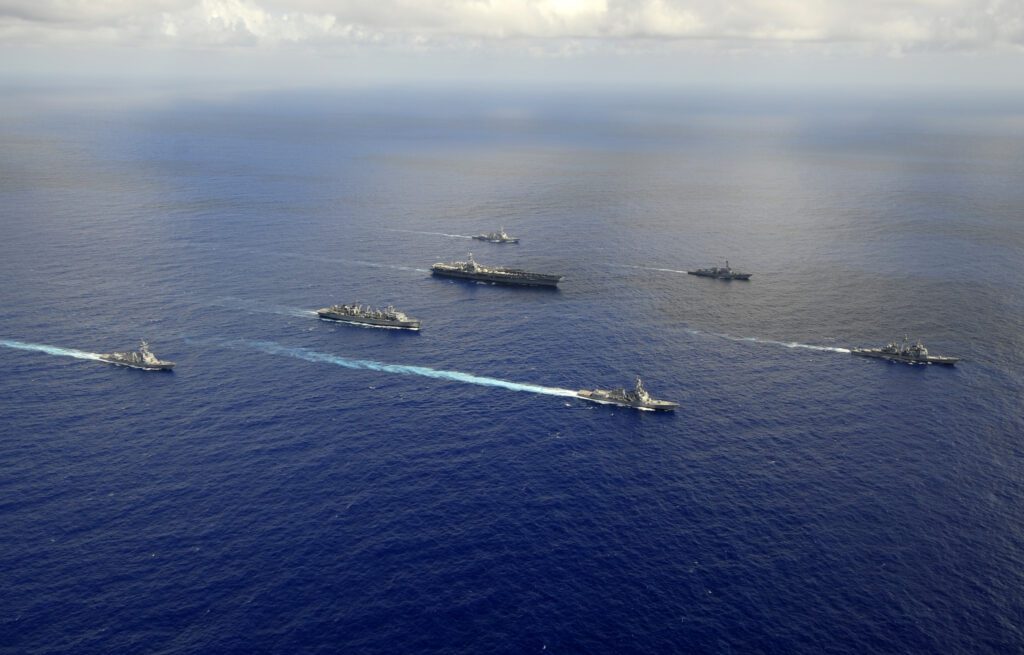
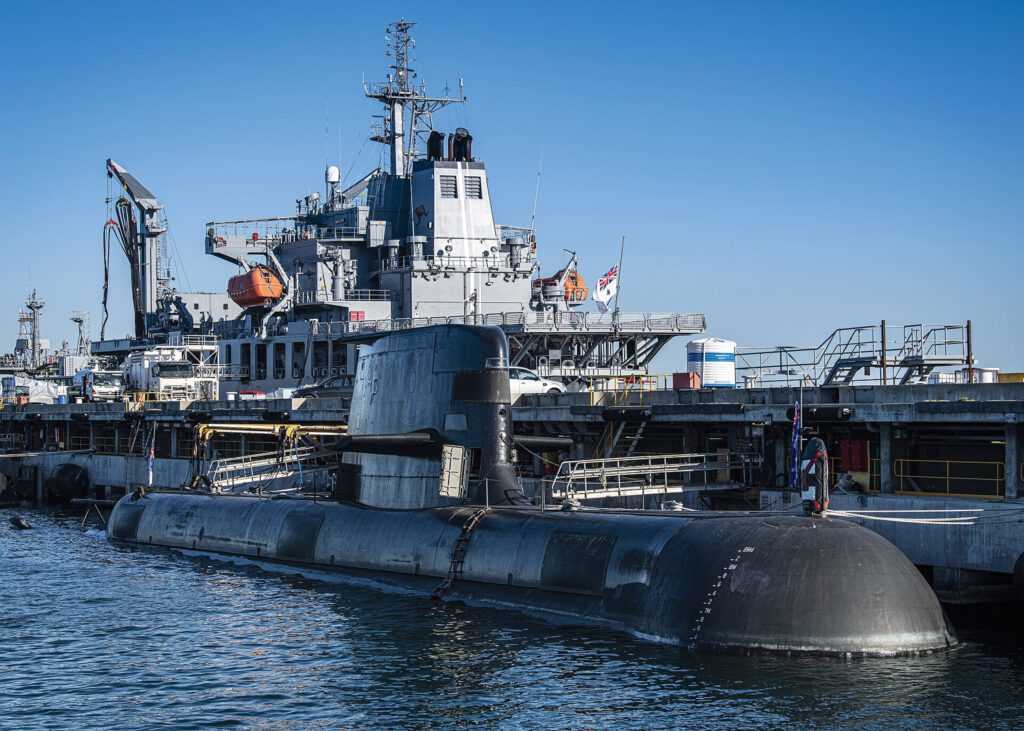
When Prime Minister Narendra Modi declared 2026 as the “ASEAN-India Year of Maritime Cooperation” at the 22nd India-ASEAN summit, he was marking more than a diplomatic milestone. He was signalling a strategic shift in India’s Act East Policy (AEP)—after years of struggling to build land-based connectivity with Southeast Asia, New Delhi is strengthening its turn to the sea.
Announced at the ninth East Asia Summit in November 2014, the AEP was an evolution of India’s Look East Policy of 1991-92, as well as a declaration that New Delhi would no longer merely observe the dynamism in its eastern neighbourhood but would be a part of the development. The AEP sought to be proactive and multidimensional, with four founding pillars including culture, commerce, connectivity, and capacity building. Since then, the policy has grown in both ambition and complexity, shaped by India’s developmental needs, regional instabilities, China’s growing investments, and a rapidly shifting Indo-Pacific order.