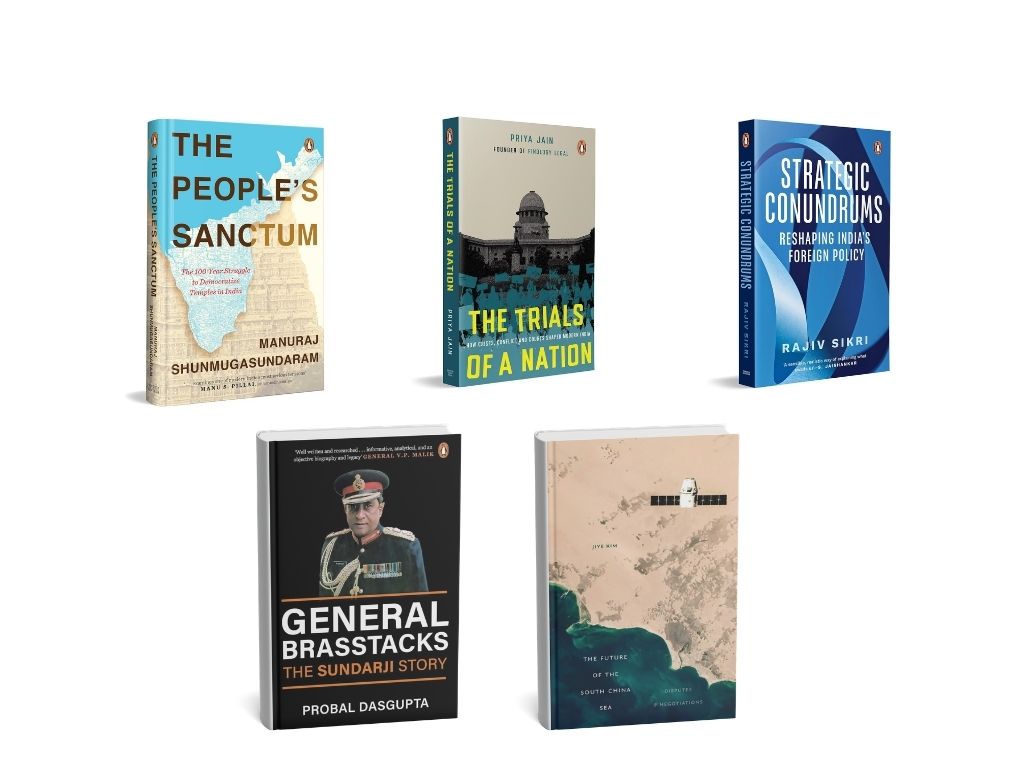
A selection of recent books shaping debates on economics, politics, and social life at large.
Strategic Conundrums: Reshaping India’s Foreign Policy
By: Rajiv Sikri
Published: June, 2026
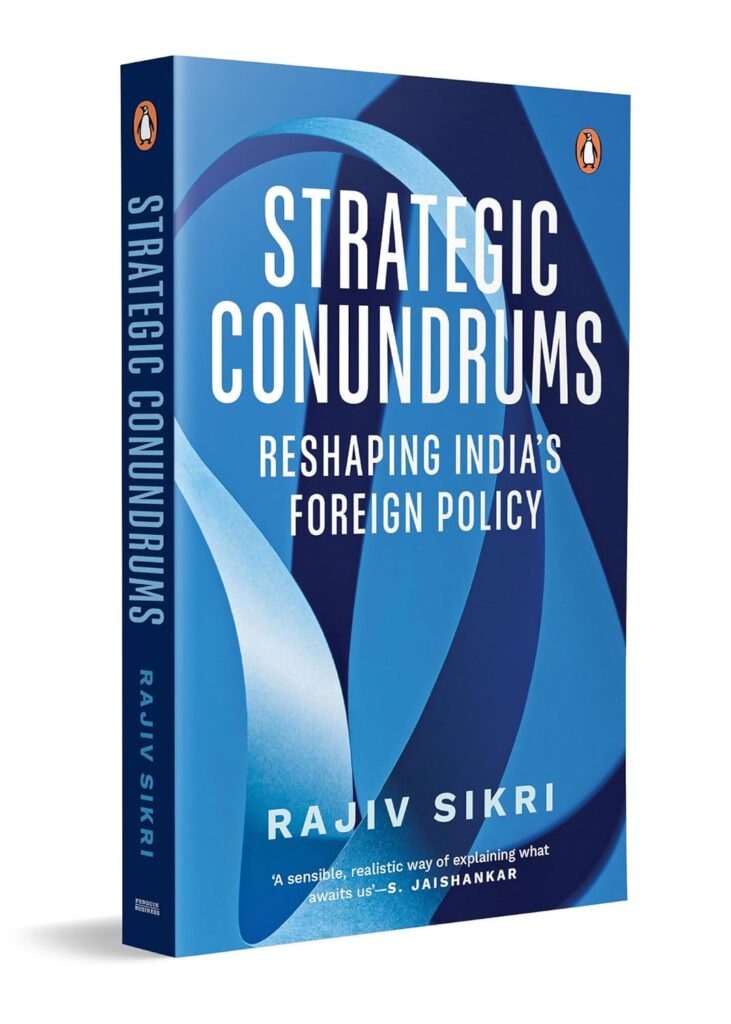
Drawing on more than three decades in the Indian Foreign Service, Rajiv Sikri examines India’s current and emerging foreign policy challenges from a strategic and policy-oriented perspective. Arguing that India must reassess its diplomatic approach to become a major player in an increasingly complex international order, the book explores the long-term trends shaping foreign policy formulation. Focusing on India’s immediate and strategic neighbourhood, it also addresses issues such as energy security, economic diplomacy, the interaction between defence and diplomacy, and the country’s foreign policy institutions. Combining the perspectives of a historian, diplomat, and scholar, Sikri offers a thoughtful analysis alongside practical policy recommendations, making the book a valuable contribution to contemporary debates on India’s evolving role in world affairs.
The Future of the South China Sea: Disputes and Negotiations
By: Jiye Kim
Published: Jan, 2026

Jiye Kim examines the South China Sea dispute through the lens of negotiation, arguing that China’s approach has evolved in response to shifting economic, political, and strategic interests rather than following a single, fixed objective. Drawing on decades of diplomatic records—from the 1958 Declaration on China’s Territorial Sea to ASEAN negotiations and joint development initiatives—the book traces how Beijing has adapted its bargaining strategies while consistently preserving its core sovereignty claims. By placing diplomacy, legal norms, and negotiation processes at the centre of the analysis, Kim offers a fresh perspective on one of the world’s most consequential maritime disputes. The result is a nuanced study that moves beyond familiar narratives of confrontation to explore how past negotiations may shape future efforts to manage tensions and sustain regional stability.
General Brasstacks: The Sundarji Story
By: Probal Dasgupta
Published: Jan, 2026
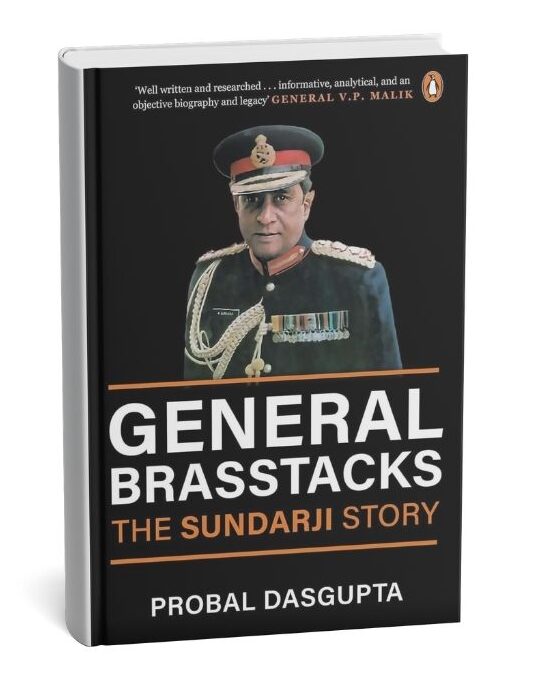
Probal Dasgupta revisits the life and career of General Krishnaswamy Sundarji, one of independent India’s most influential and controversial army chiefs. Set against the political and military turbulence of the 1980s, the book examines Sundarji’s role in the Sumdorong Chu crisis, Operation Brasstacks, Operation Blue Star, Operation Pawan in Sri Lanka, and the Bofors controversy, while exploring the strategic thinking that shaped his leadership. Dasgupta also traces Sundarji’s efforts to modernise the Indian Army through technology and organisational reform, assessing his influence on both military doctrine and national security policy. Combining biography with strategic history, the book offers a nuanced portrait of a commander whose bold decisions continue to shape debates on India’s military evolution and civil-military relations.
The Trials of a Nation: How Crises, Conflicts and Courts Shaped Modern India
By: Priya Jain
Published: July, 2025
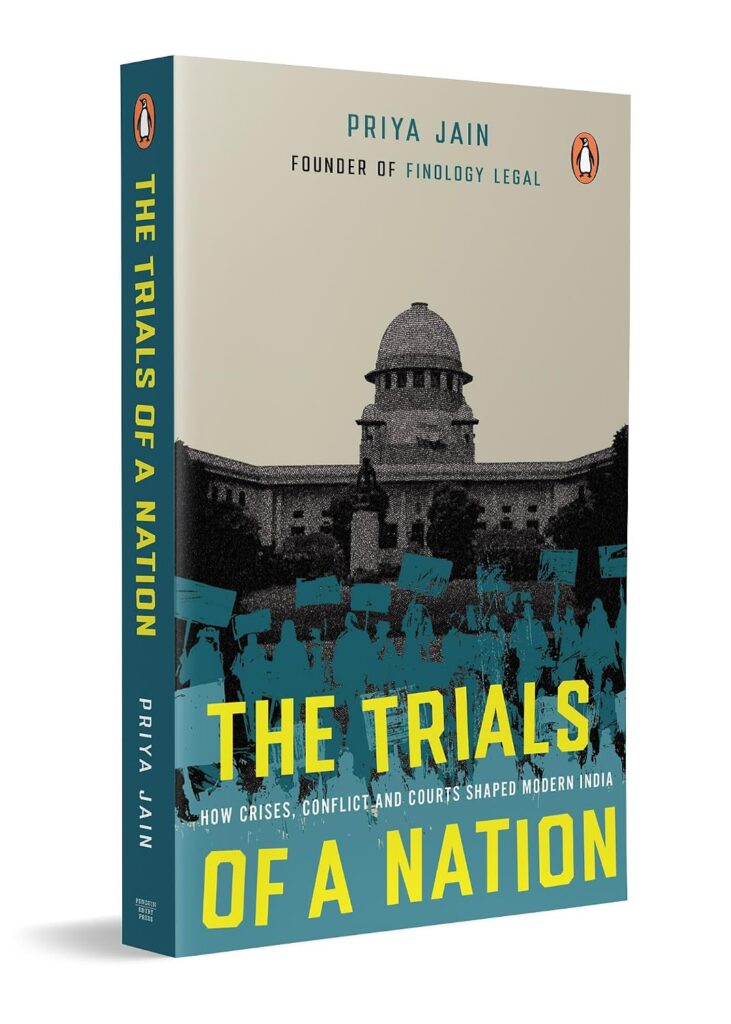
Priya Jain examines ten defining moments that reshaped the relationship between the Indian state and its citizens, exploring how crises, conflicts, and landmark legal developments have influenced the course of the Republic. Beginning with the framing of the Constitution and the first general election, the book traces pivotal episodes including the Emergency, the 1991 economic reforms, the 26/11 attacks, the Nirbhaya case, the Ram Janmabhoomi–Babri Masjid dispute, and the abrogation of Article 370. Rather than treating these events as isolated episodes, Jain shows how each tested the resilience of India’s democratic institutions and constitutional framework. Combining legal history with political narrative, the book offers an accessible account of the constitutional choices and national crises that have shaped modern India.
The People’s Sanctum: The 100-Year Struggle to Democratize Temples in India
By: Manuraj Shunmugasundaram
Published: July, 2026
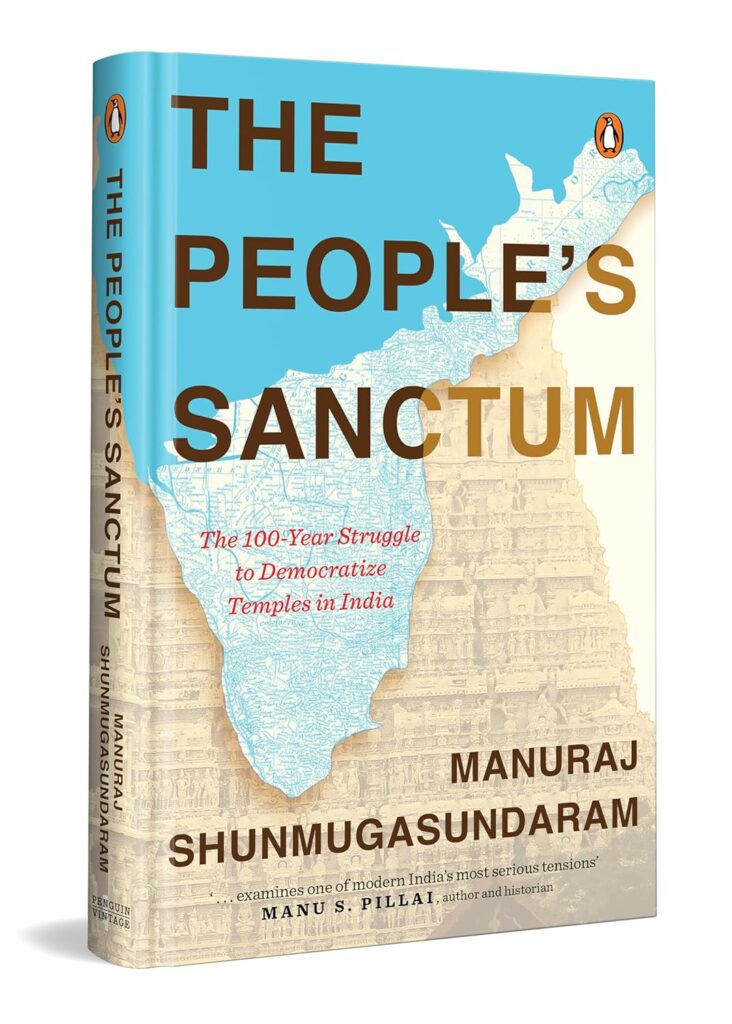
Marking the centenary of the Vaikom Satyagraha, Manuraj Shunmugasundaram traces the century-long struggle to democratise temples and challenge caste-based exclusion in India. Beginning with the Vaikom movement in Travancore, the book explores how a campaign for equal access to public roads inspired broader social reform, including the Self-Respect Movement and legislative efforts to open priesthood to all castes. It also examines B.R. Ambedkar’s constitutional vision of social reform, arguing that intra-religious equality lies at the heart of Indian secularism. Through an analysis of constitutional courts and the tensions between temple entry and religious freedom, the book offers a compelling account of how legal, political, and social movements have transformed India’s socio-religious landscape over the past century.