China is one of the most consequential challenges facing India. The issues are complex and not amenable to binary choices. It is therefore essential that there is a regular and well-informed debate in India on China and how we construct our relations with it.
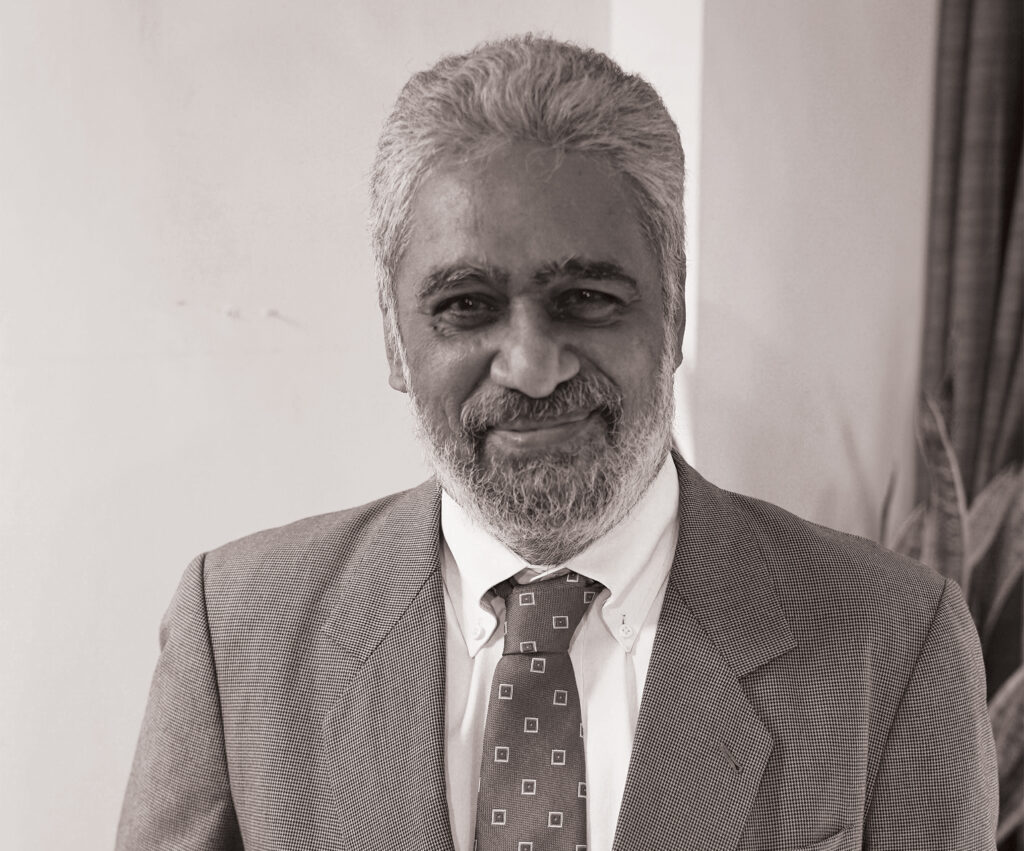
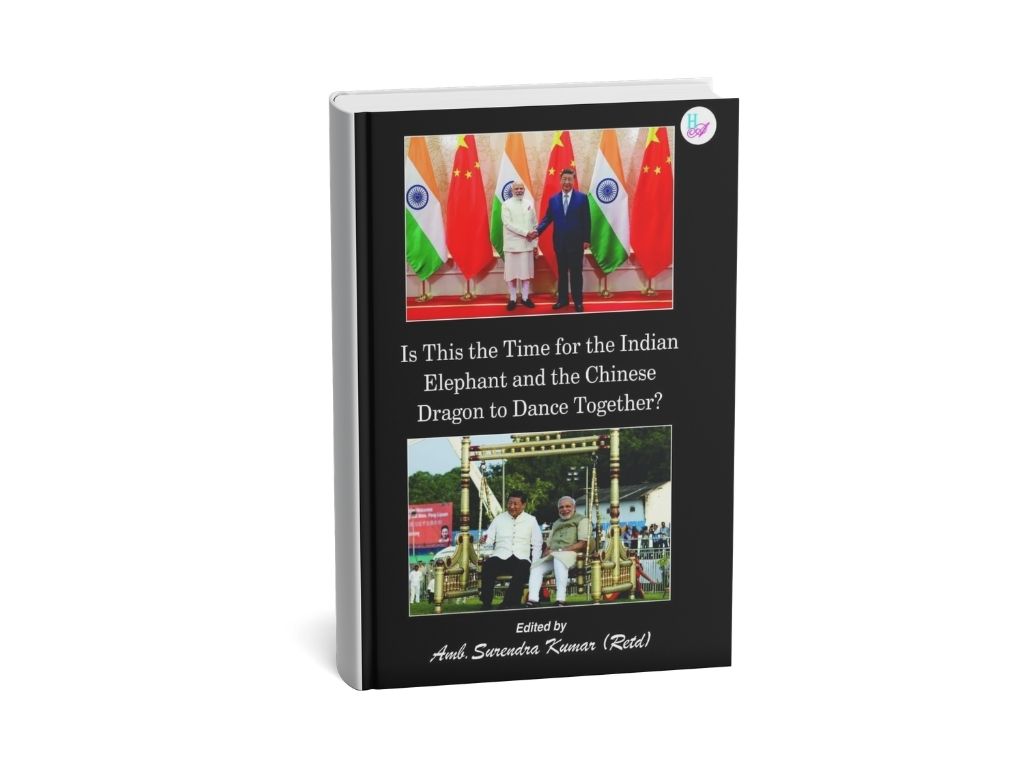
The decision by seasoned former diplomat and political observer Surendra Kumar to publish a collection of essays by a distinguished set of writers on China titled Is This the Time for the Indian Elephant and the Chinese Dragon to Dance Together? is therefore welcome and apt. The authors have decades of experience in dealing with and watching China, and their views carry weight.
It has been said of the India–China relationship that it is too important to be left to Chinese specialists in the Indian diplomatic corps, formidable as they are. This assertion can now reasonably be expanded to say that India’s relations with China are too important to be left to diplomats. The book recognises this reality by presenting perspectives of political and military leaders and economists, besides diplomats. The reason this is so is the rise of China on the global stage but also the rise of India.
The impression that the book leaves behind, not unsurprisingly, is that the relationship is struggling to find an equilibrium between the extremes of an all-out war as in 1962 and the romanticism of the Panchsheel era. All writers grapple with this conundrum, and none has a definitive answer. This will require a more detailed study, which some of the authors have independently and separately done. The other thread of note in the essays is that of hope, but more importantly, the desirability of establishing credible, dignified, and stable peace with China. No one advocates unprovoked confrontation or aggression, but they do underline the importance of enforcing peace and tranquillity on the border till the relevant issues are settled.
The problems they all allude to, however, are twofold—China’s obvious rapid military buildup and intentions vis-à-vis India and our own gaps in building an even stronger economic and industrial muscle. Do we hide and bide our time? More importantly, how much do we allow China to participate in our economic transformation without threatening national security? The elephant-dragon dance is a good political metaphor, but the problem has been and continues to be a lack of trust—China’s lofty words have not matched its deeds as well as its disdain for India. The book also brings out how, more than before, the relationship is influenced by and impacts each country’s relations with third countries.
India’s approach to China will have to be driven by hard-headed realism, shorn of sentimentality, with feet firmly on the ground, aware of our strengths but also weaknesses. This compilation’s contribution to this debate deserves full credit.