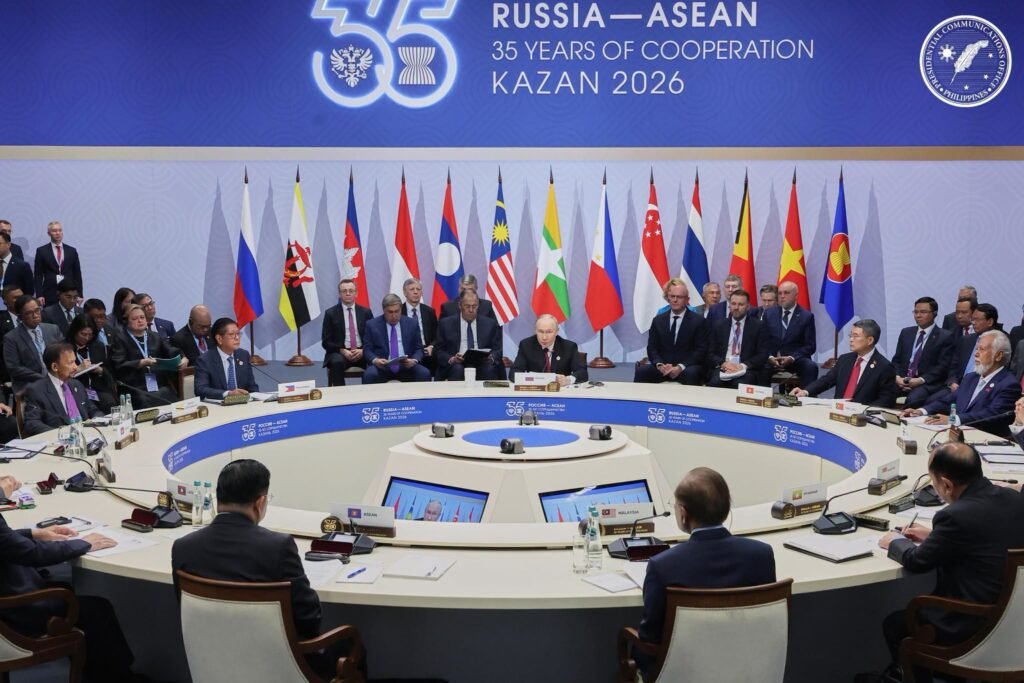
When nine leaders of the Association of Southeast Asian Nations (ASEAN) arrived in Kazan in June 2026 to commemorate 35 years of ASEAN–Russia dialogue relations, they did more than attend an anniversary summit. At a time when much of the West sought to diplomatically isolate Moscow following the outbreak of the Russia–Ukraine conflict, their participation appeared to challenge prevailing assumptions about the growing polarisation of international politics. Yet the Kazan summit was not an exception to Southeast Asia’s diplomatic practice. Instead, it reaffirmed ASEAN’s enduring strategy of engaging competing powers simultaneously while preserving the ASEAN Way.