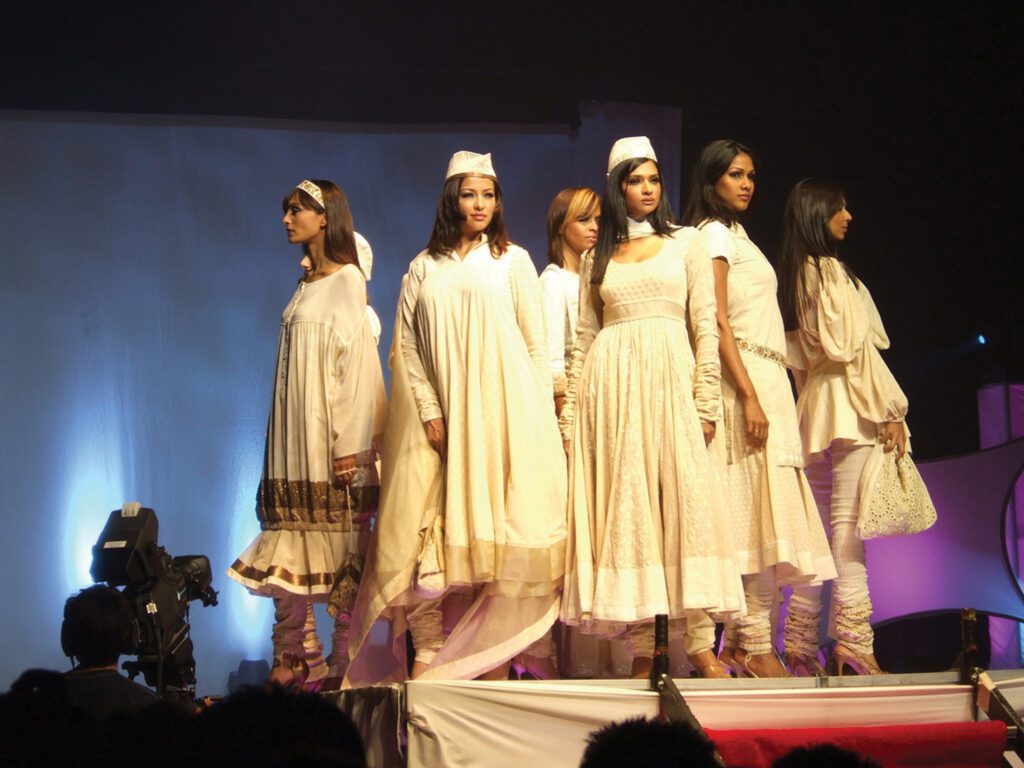
Globalisation has transformed Indian fashion from a largely domestic industry into a global economic and cultural force. New markets, technologies, and consumers have created unprecedented opportunities, but they have also exposed artisans and traditional crafts to new vulnerabilities. How can India ensure that global success translates into equitable gains at home?
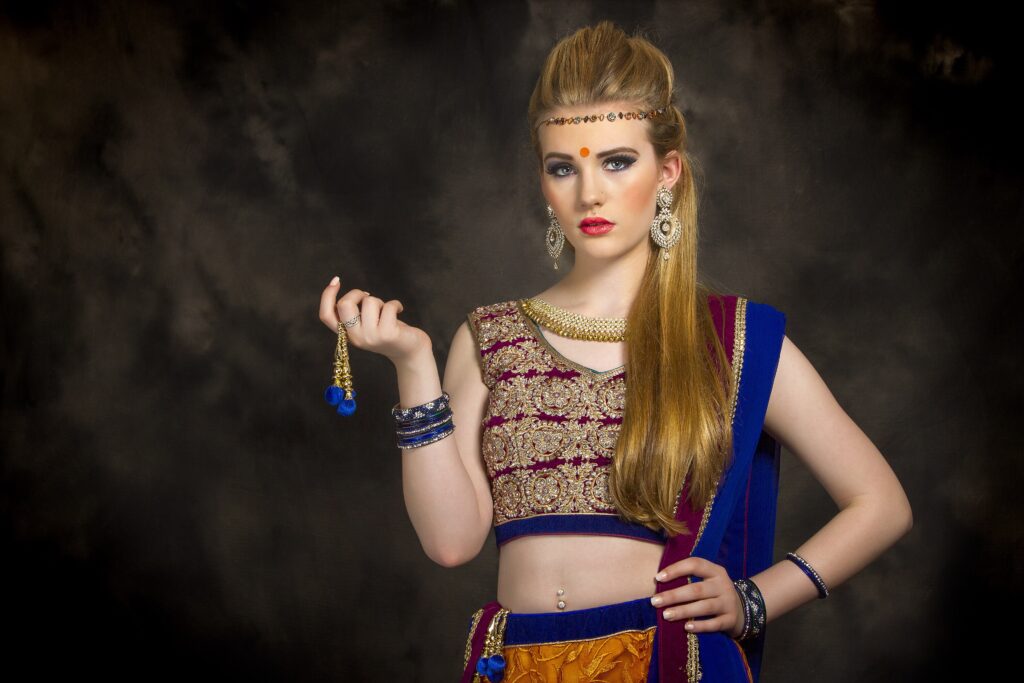
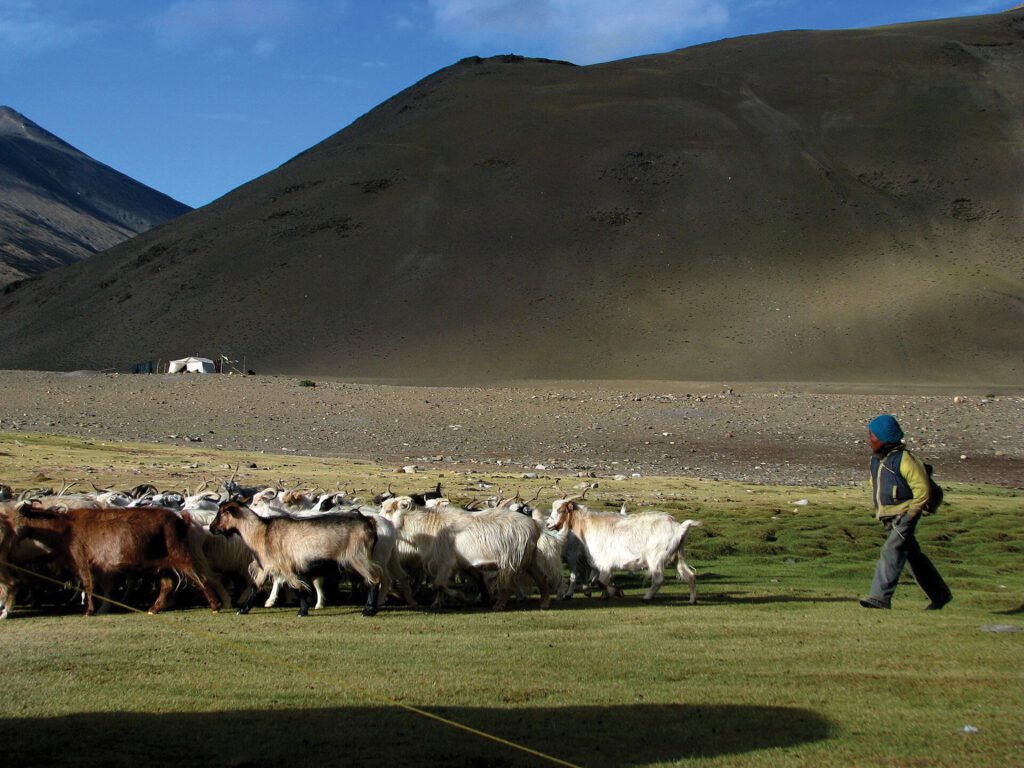
The Indian fashion industry has evolved through time and reflects age-old traditions, cultural practices, and craftsmanship. It’s fair to attribute the success of Indian fashion to the woollen Kani shawls of Kashmir, handwoven silks of Varanasi, block-printed cottons of Rajasthan, embroidered textiles of Gujarat, and natural-dyed Ikats of Odisha.
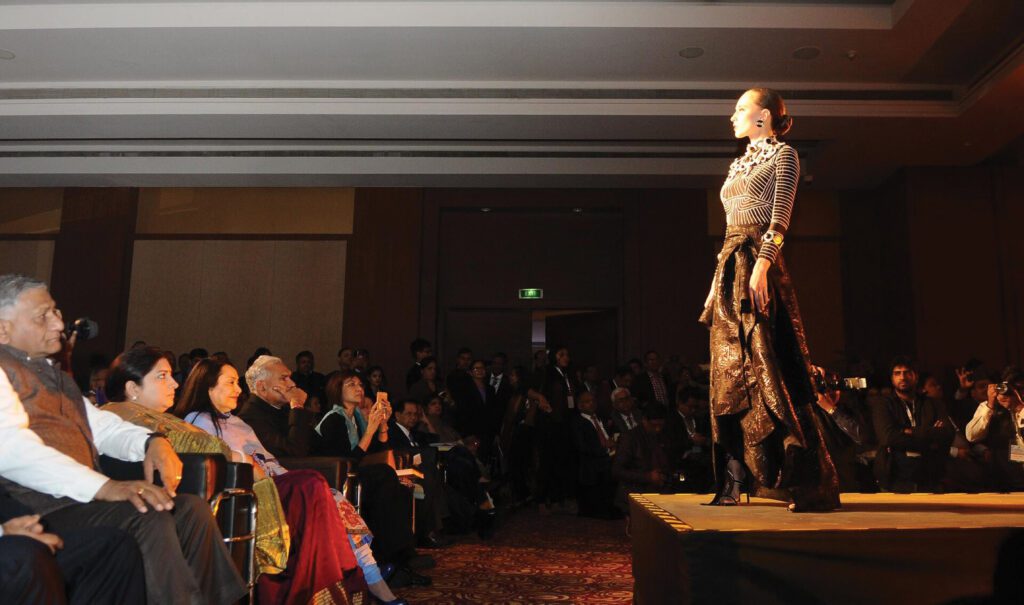
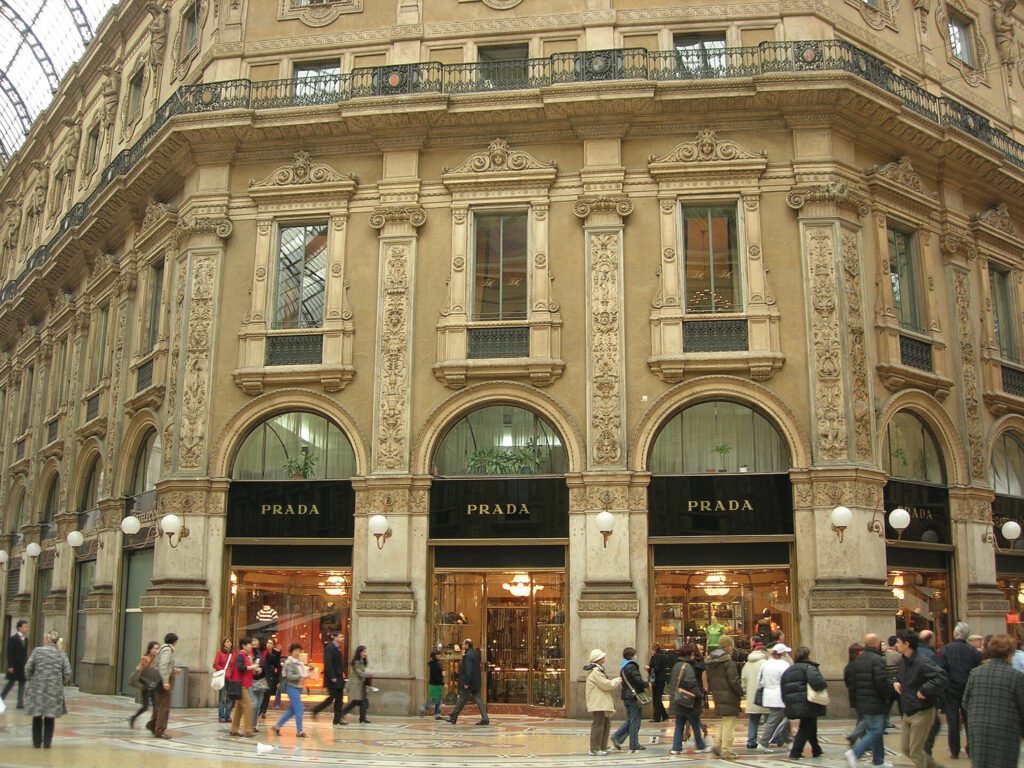
The advent of the internet, digital media, and international trade platforms has accelerated the globalisation of Indian fashion, bringing its distinctive aesthetics and craftsmanship to a worldwide audience. While globalisation has created vast new opportunities for Indian designers, artisans, and exporters, it has also exposed India’s rich textile heritage to challenges such as cultural misappropriation, growing competition from mass-produced fashion, and inequitable distribution of economic benefits.