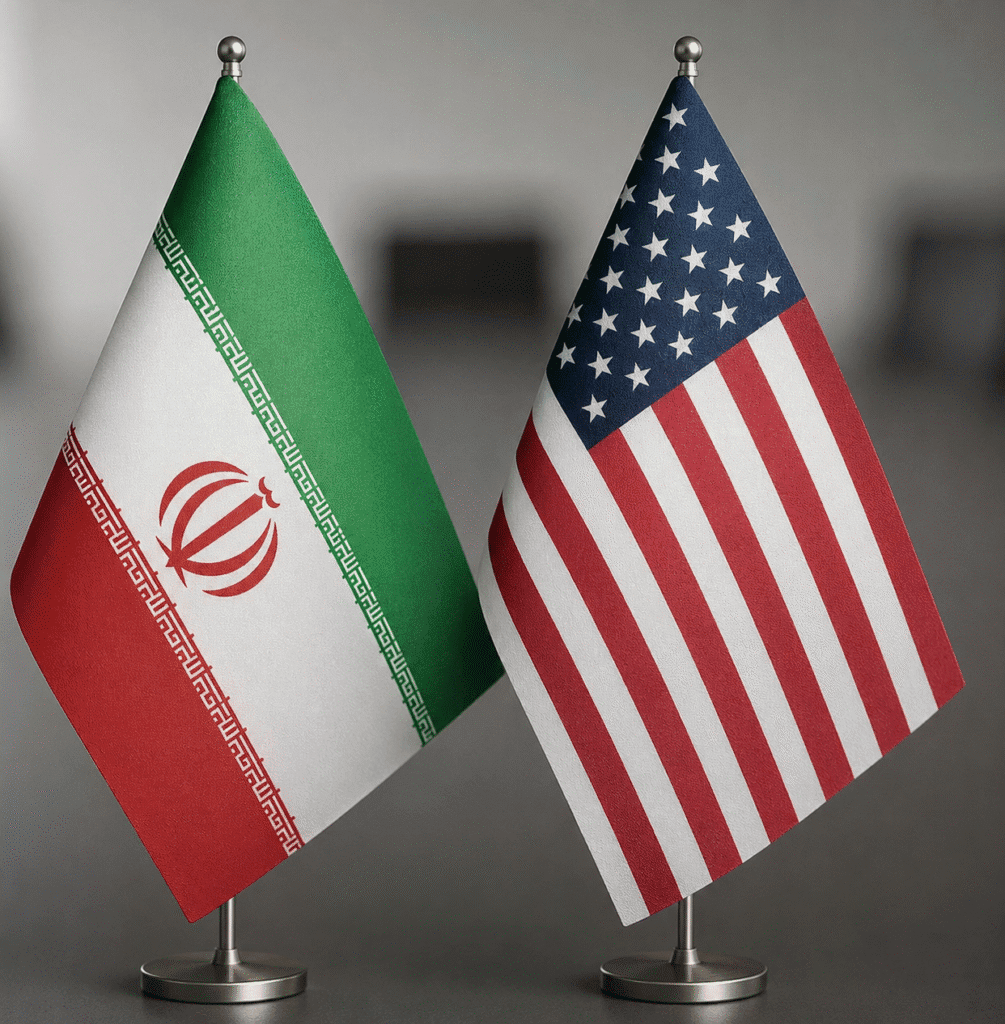
Washington and Tehran have stopped fighting and reopened the Strait of Hormuz. The deal settles almost nothing, and three unresolved disputes could still break it.
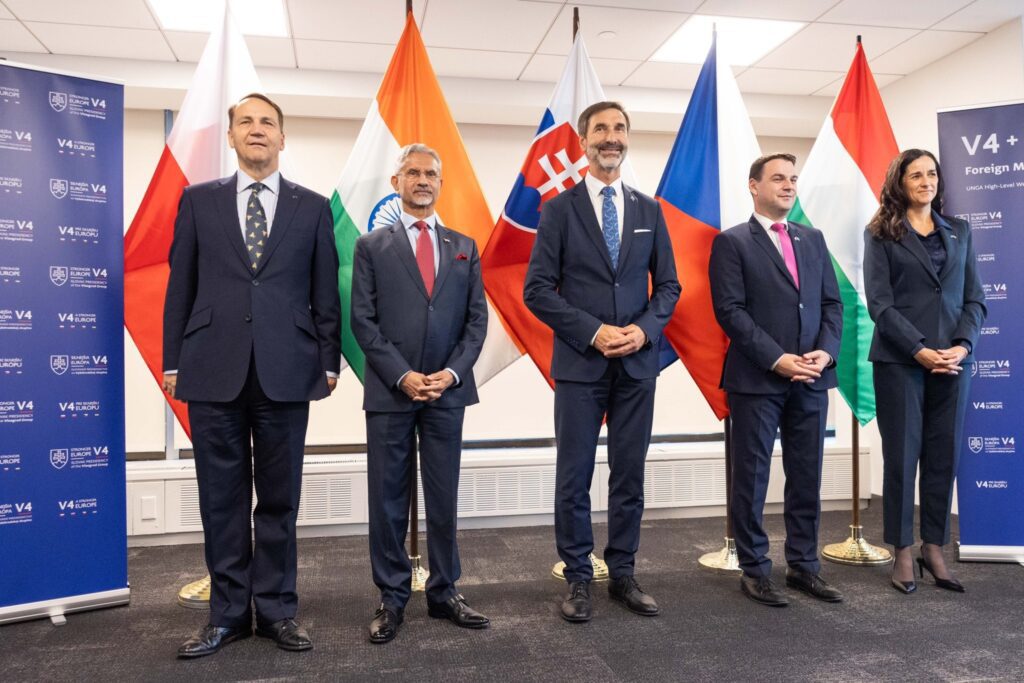
On Wednesday, 17 June 2026, at the Palace of Versailles and on the sidelines of the G7 summit in France, US President Donald Trump signed a document that brought a formal close to nearly four months of war. Iran’s president, Masoud Pezeshkian, signed remotely that night; Pakistan’s prime minister, Shehbaz Sharif, who had brokered the talks, added his name as mediator. Their 14-point text, now called the Islamabad Memorandum of Understanding, took effect at once. It stops the shooting on every front, reopens the Strait of Hormuz, and offers Iran a route back into the world economy.
What it does not do is end the war. The text, in the assessment of H.A. Hellyer, a political scientist at the Royal United Services Institute in London, is only a memorandum of understanding, a framework for negotiation rather than a settlement. The hard part, he said, has not begun.
What the Agreement Actually Contains
Behind the diplomatic phrasing, the deal does four things at once. Military operations end, in its own words, “on all fronts, including in Lebanon”. Iran reopens Hormuz to commercial traffic and the United States starts lifting its naval blockade of Iranian ports, with full removal due within 30 days. The US Treasury issues waivers so that Iran can export oil again. And for 60 days both sides hold still: Iran will not expand its nuclear work and Washington will not add sanctions, while negotiators try to turn a ceasefire into a settlement.
The larger rewards are promises rather than payments. Iran restates that it will never build a nuclear weapon. A reconstruction fund of at least $300 billion is held out, though the United States is not required to pay into it. Frozen Iranian money is to be freed, but only as Tehran performs, and a binding United Nations Security Council resolution is meant to seal the final terms. Everything genuinely difficult has been pushed into the next two months.
Why the Truce Matters for India
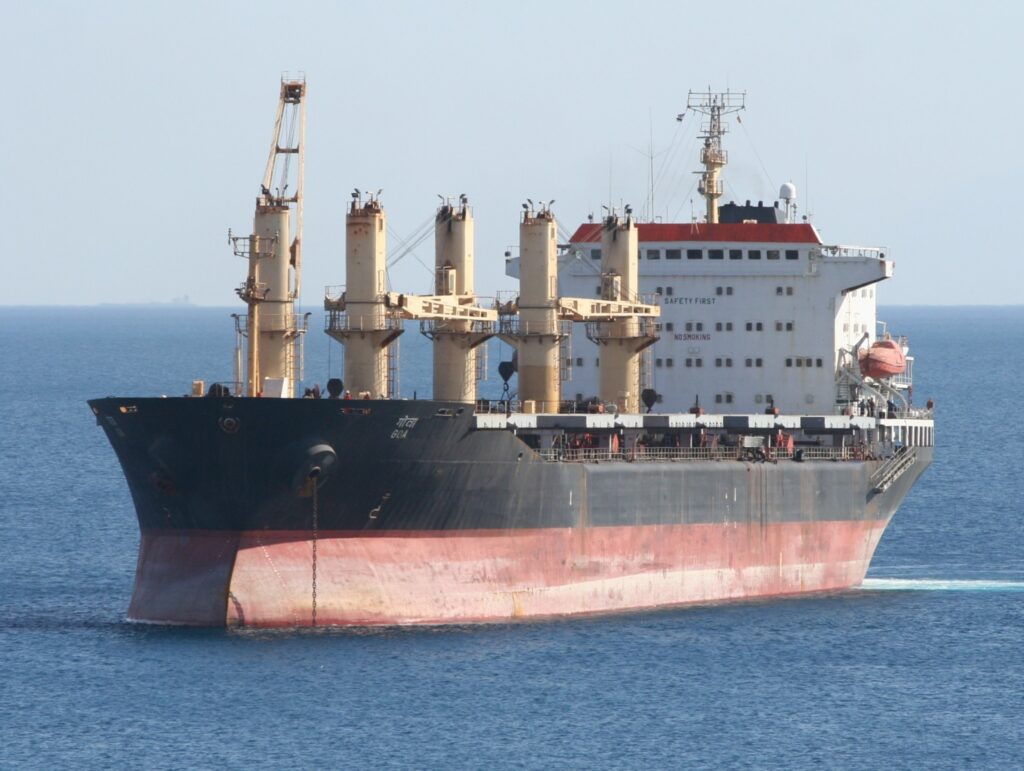
For India, none of this was abstract. The country imports more than four-fifths of its oil, much of it through Hormuz, and when the strait closed in late February the bill arrived fast: dearer crude, longer routes, and a hurried shift to Russian and Venezuelan supply. The war also killed Indians. Three Indian seafarers died when their tanker was hit in the Gulf of Oman, and a vessel carrying 24 Indian crew, the Marivex, was disabled by American forces. The crew’s distress call, later made public, left little to interpret: “We have fire on board and vessel is sinking. Please help.”
New Delhi summoned the US chargé d’affaires and lodged a protest. At the G7 summit, Indian Prime Minister Narendra Modi raised the deaths in Trump’s presence, noting that several Indian civilians had lost their lives and that the “safety of seafarers, who connect nations through global maritime trade, is our collective responsibility.” The caution in that line was deliberate: India is negotiating a trade agreement with Washington even as its sailors die in American operations. The truce lifts the immediate pressure. With Hormuz reopening, India can restart Gulf energy flows, drop the costlier detour through Russia and Venezuela, and return to its stalled investment in Iran’s Chabahar port, the entry point to its overland route towards Central Asia. Oil prices fell sharply on the announcement.
The Lebanon Front Remains Unresolved
The first danger to the deal is the one already drawing blood. The ceasefire names Lebanon explicitly, yet Israel, which signed nothing and accepts none of Iran’s reading of the text, has gone on bombing. On 16 June 2026, the day before the signing, Israeli jets struck the Nabatieh area of southern Lebanon, and the attacks continued as the deal took effect. Trump had urged Benjamin Netanyahu at the summit to act more responsibly over Lebanon; it changed nothing.
The two sides read the same clause in opposite ways. American officials say Lebanon sits inside the ceasefire, but that an Israeli withdrawal is not a condition of it and that Israel keeps the right to defend itself. Iran, with Hezbollah behind it, insists that ending the war in Lebanon is inseparable from ending the war at all, and Hezbollah says Tehran has promised to press for a full Israeli pullout in the next round. Israel Katz, the Israeli defence minister, says his troops will stay in southern Lebanon indefinitely and will meet any attack with full force. For Lebanon itself the cost is already staggering: more than 3,700 dead, nearly a million displaced, and some 50,000 homes destroyed. Hellyer calls Israel the main obstacle to peace, and warns that its military adventurism, in Lebanon or against Iran directly, could pull Tehran back into open conflict before nuclear talks even begin.
The Nuclear Question Has Only Been Deferred
The reason the war was fought, Iran’s nuclear programme, is the question the memorandum most carefully leaves open. Tehran insists its enrichment is peaceful and that it will never build a weapon. But the central issue, what becomes of the uranium it has already enriched, is parked until the final talks. By last year, according to the International Atomic Energy Agency, Iran held around 400 kg of uranium enriched to 60%, close to the roughly 90% a weapon needs and far above the 3.67% it accepted under the 2015 agreement that Trump abandoned in 2018.
The two governments are already telling different stories about what they signed. Iran says billions in frozen assets will be released during the 60-day window; Vice-President JD Vance has denied it outright. Vance says only that compliance can be verified, and that if Iran honours a future deal, sanctions will ease and America will welcome it back into the international community. Trump says there is no rush to remove the enriched uranium at all, and has warned that if Iran misbehaves the United States will “go right back to dropping bombs”. That is not a settlement. It is a pause with a clock on it.
The Strait, Open but Contested
The deal’s headline win, the reopening of Hormuz, is also unfinished. The waterway has been all but closed since February, and before the war about 20% of the world’s oil and gas moved through it. On paper, Iran clears the mines within 30 days and restores traffic to pre-war levels while the United States lifts its blockade. In practice the mechanics alone are slow. Mark Montgomery, a retired US Navy rear admiral, says clearing the mines could take weeks or months, and shipping firms will keep their distance until they are sure the ceasefire holds. As things stand, one maritime risk analyst told the BBC, a ship’s captain would have to be extraordinarily brave to sail through the strait.
The deeper dispute is over who controls Hormuz once it reopens. Tehran wants a managing role and says it will charge passing ships a fee for services; Trump insists the route stays free of tolls, during the 60 days and after. A toll has no standing in international law, and the Gulf states want traffic to resume with no conditions at all. The gap is wide, and it is exactly the kind of gap that breaks agreements.
What Comes Next
For now, the guns are quiet, the tankers are edging back, and both sides claim victory. But the memorandum has bought time, not agreement. Iran and the United States cannot even agree on what they signed. Tehran says ending the war means Israel must leave Lebanon; Washington says that was never a condition. Iran expects billions in frozen assets during the 60-day window; Vance denies it. Iran wants to charge ships that use Hormuz; Trump insists the strait stays toll-free. Closing those gaps is what the next 60 days are for, and that work has barely begun.
Note: This explainer has been researched, edited, and fact-checked by India’s World staff and prepared with AI assistance.