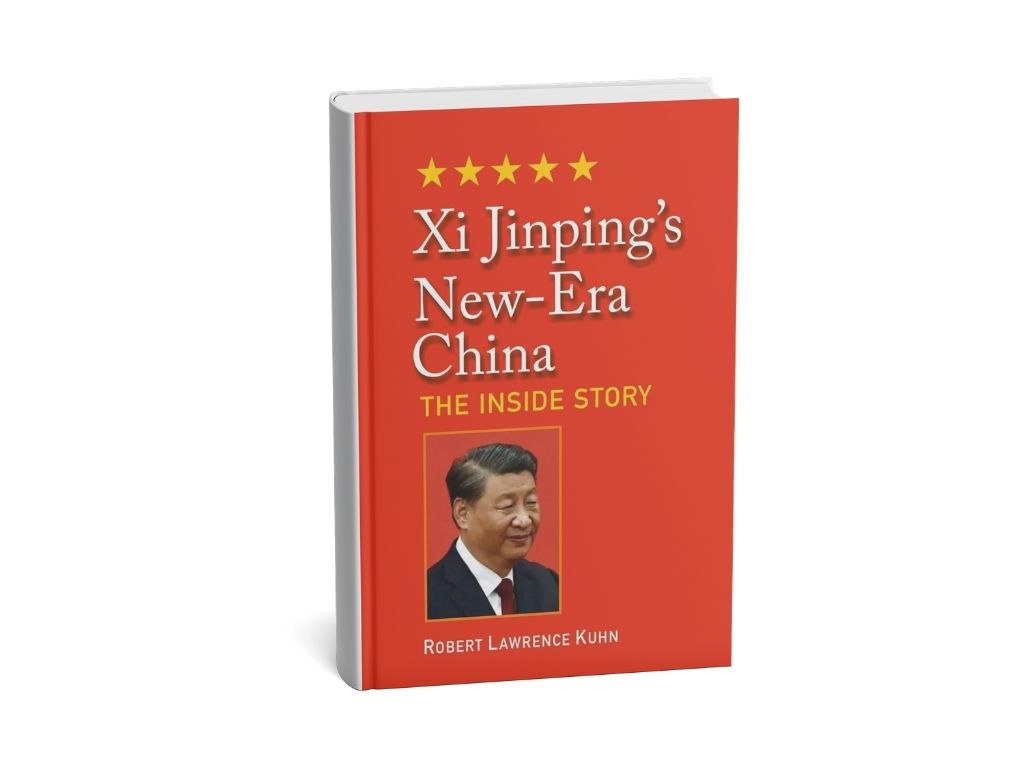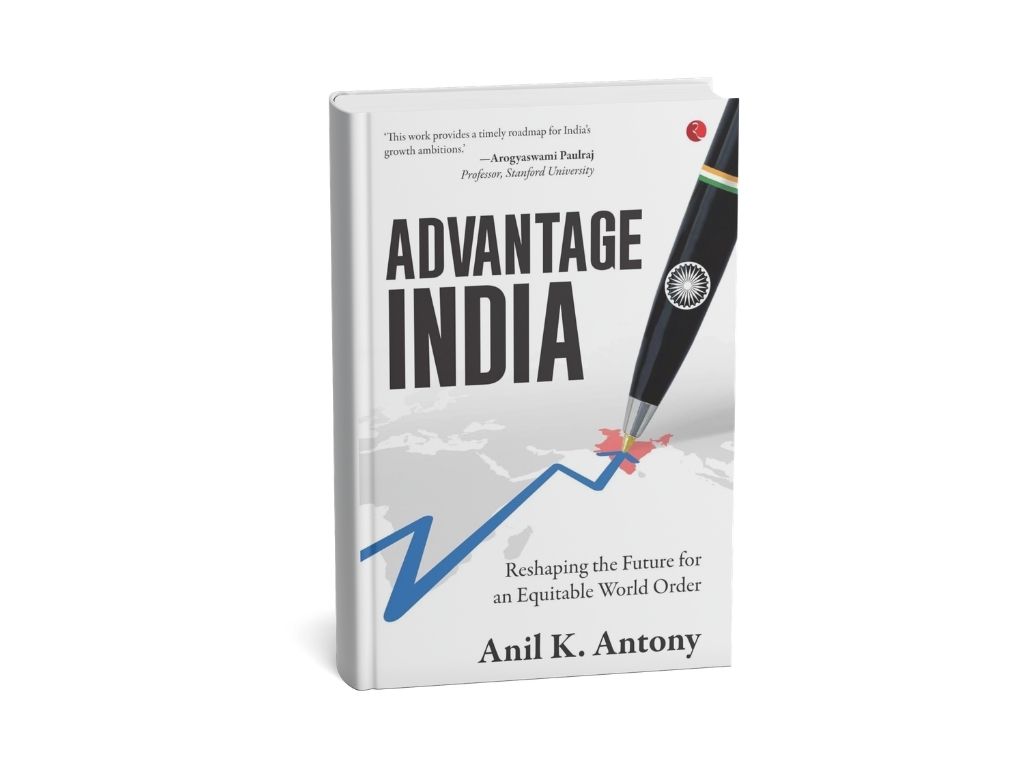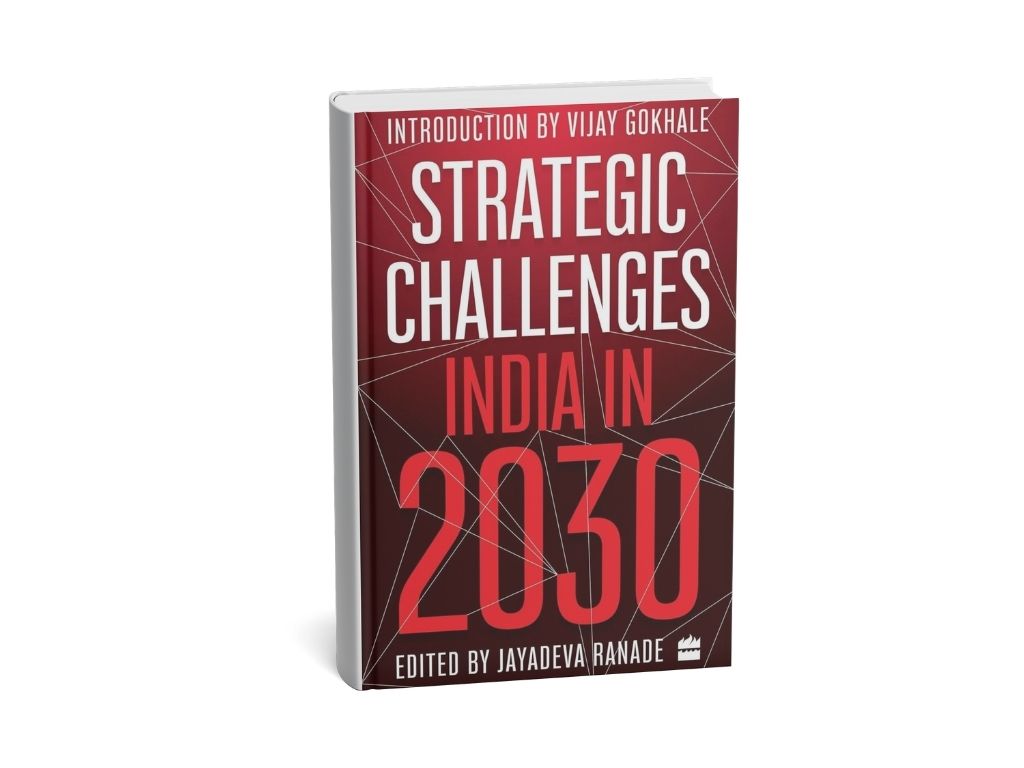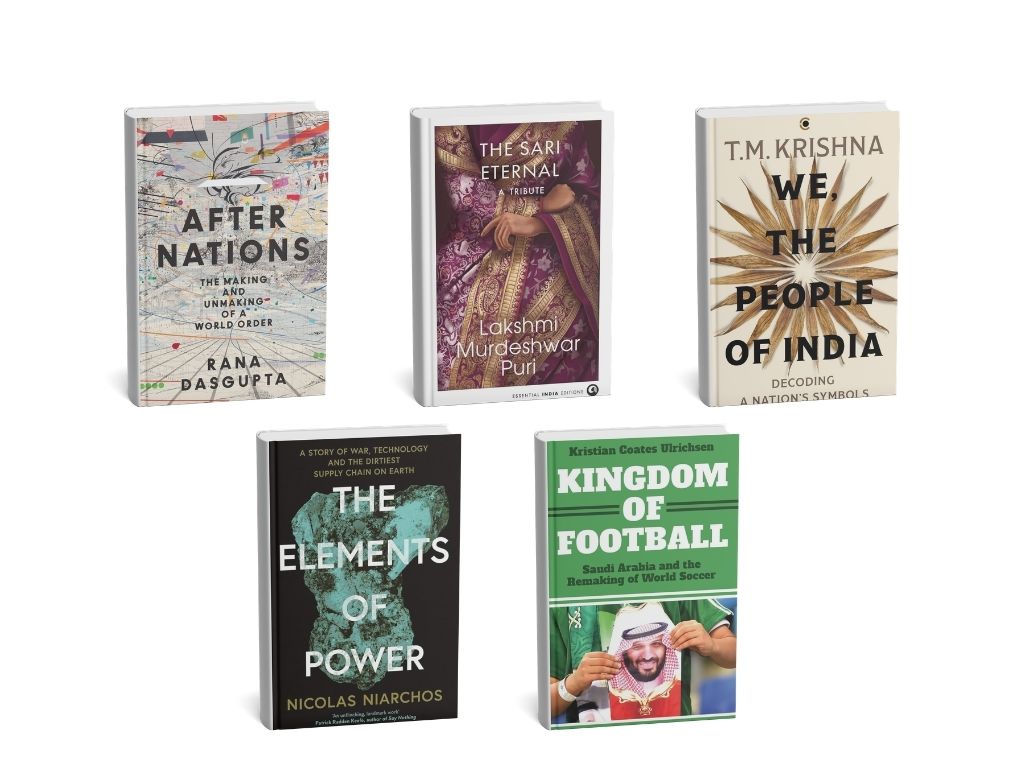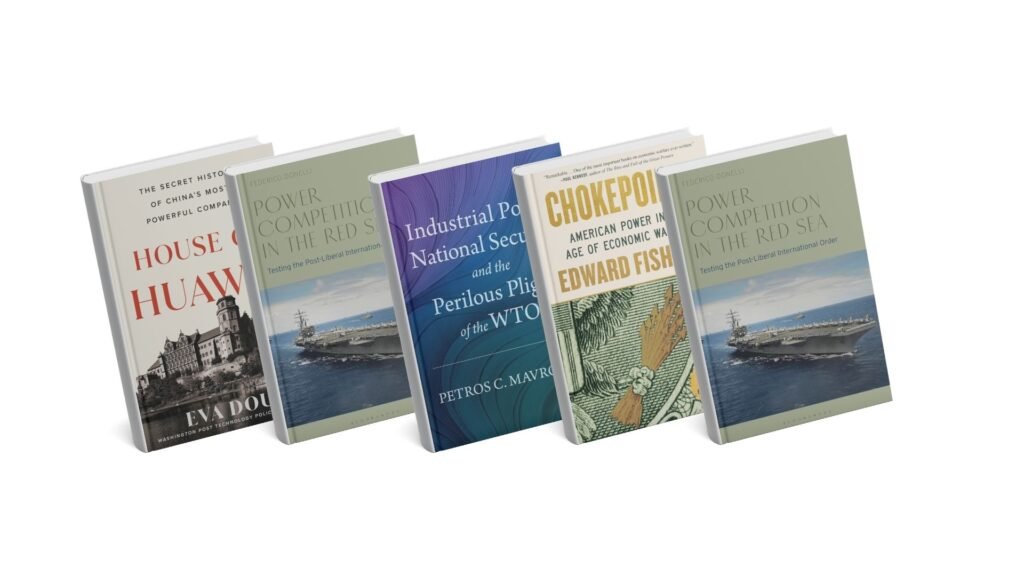
A selection of recent books shaping debates on economics, politics, and social life at large.
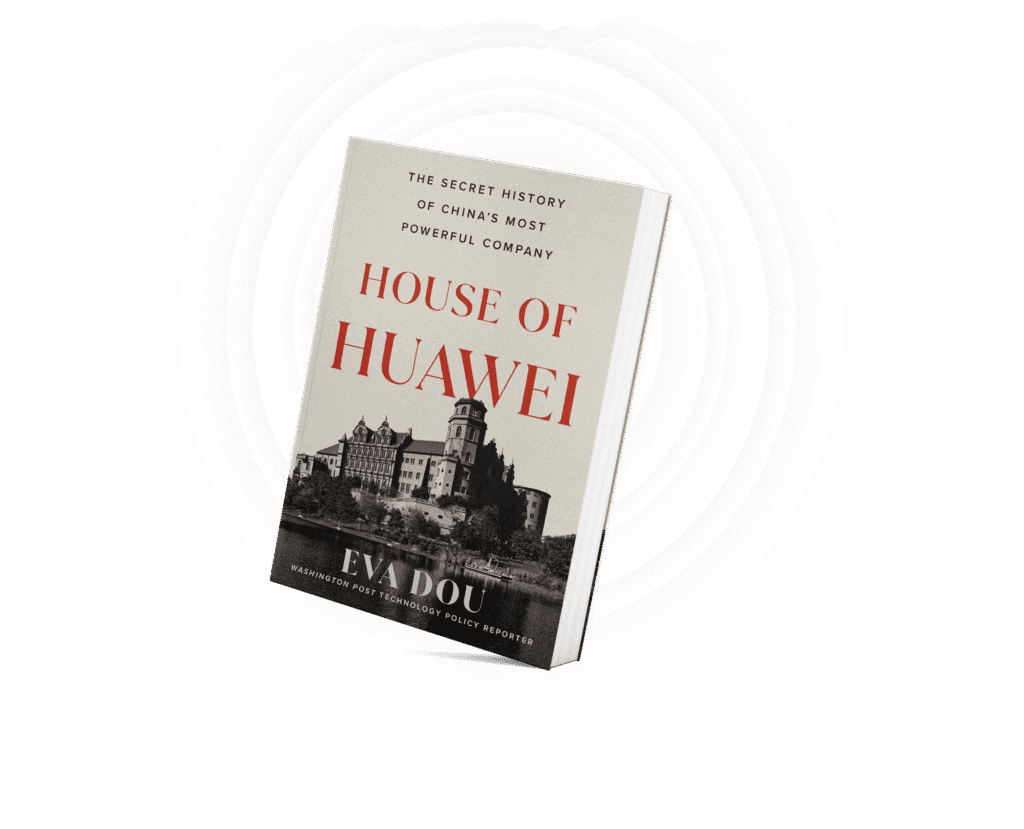
House of Huawei: The Secret History of China’s Most Powerful Company
By: Eva Dou
Published: Jan 2025
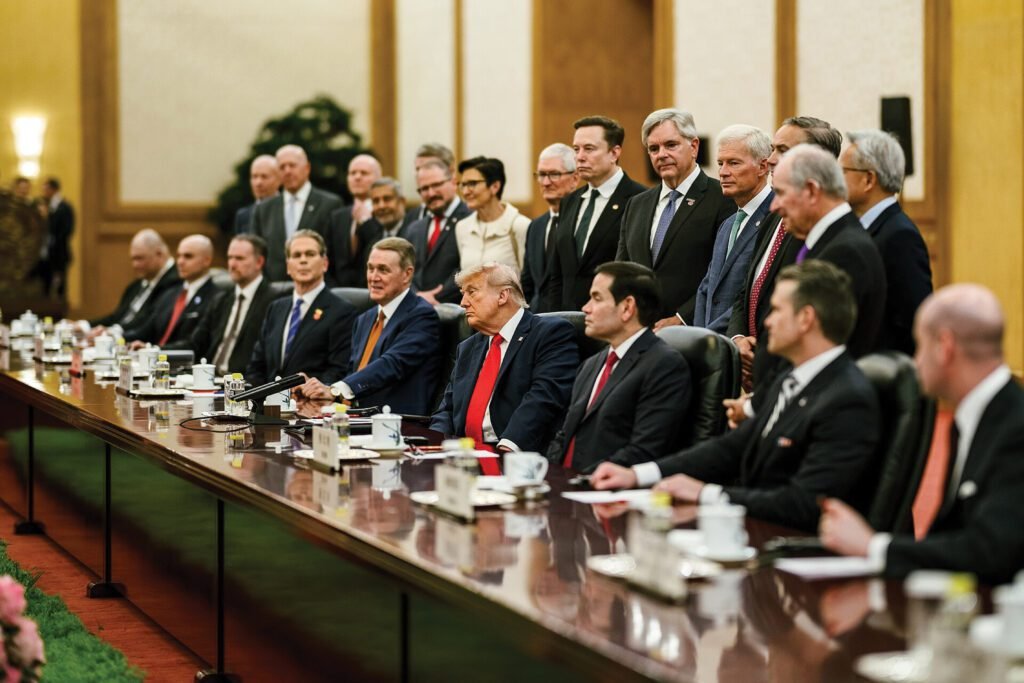
As Huawei sits at the centre of the US–China technology war, Eva Dou delivers the definitive account of how the company rose from a small telecommunications reseller to become China’s most globally contested corporation. A Washington Post journalist with deep reporting experience in China, Dou traces the firm’s founder Ren Zhengfei, its military and party connections, and the internal culture that drove its extraordinary ambition—offering an essential window into how Beijing builds national champions and the world responds.
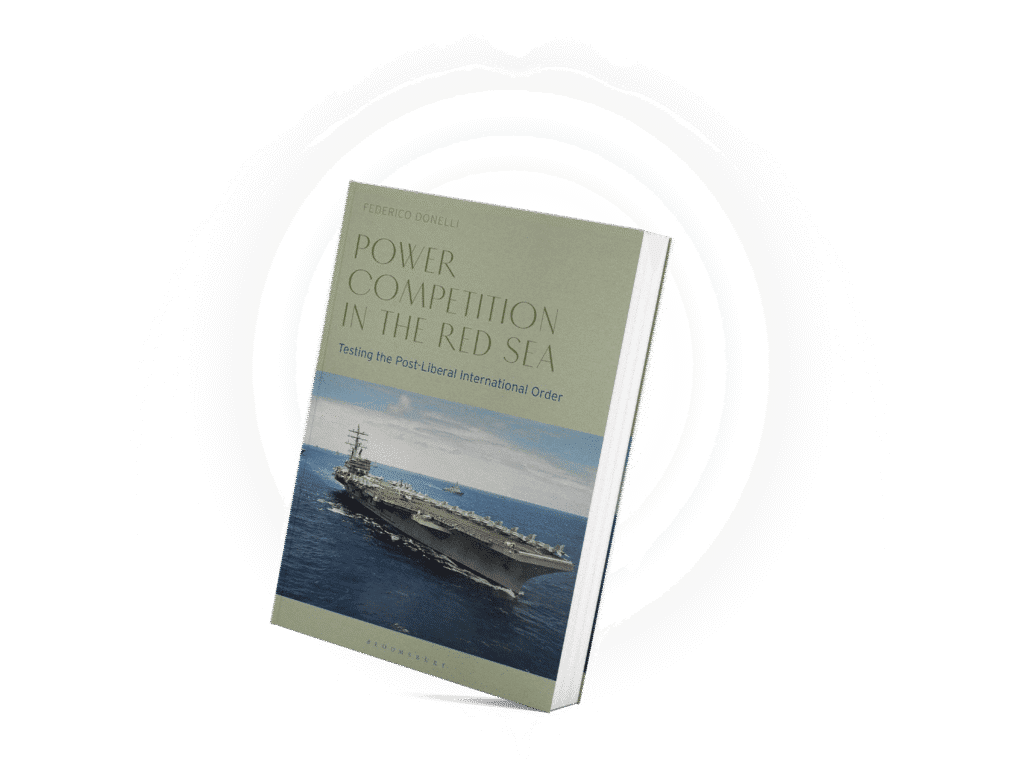
Power Competition in the Red Sea: Testing the Post-Liberal International Order
By: Federico Donelli
Published: October 2025
The Red Sea has rapidly become one of the world’s most contested waterways, where traditional and rising powers jostle for influence over shipping routes, military bases, and economic footholds. Federico Donelli, an International Relations scholar at the University of Trieste, analyses the competing interests of China, the United States, and regional actors using a range of IR frameworks, examining how this new scramble tests the foundations of the post-liberal international order. A timely study as Houthi attacks and great-power posturing continue to reshape the region’s security calculus.

River Traveller: Journeys on the Tsangpo-Brahmaputra from Tibet to the Bay of Bengal
By: Sanjoy Hazarika
Published: October 2025
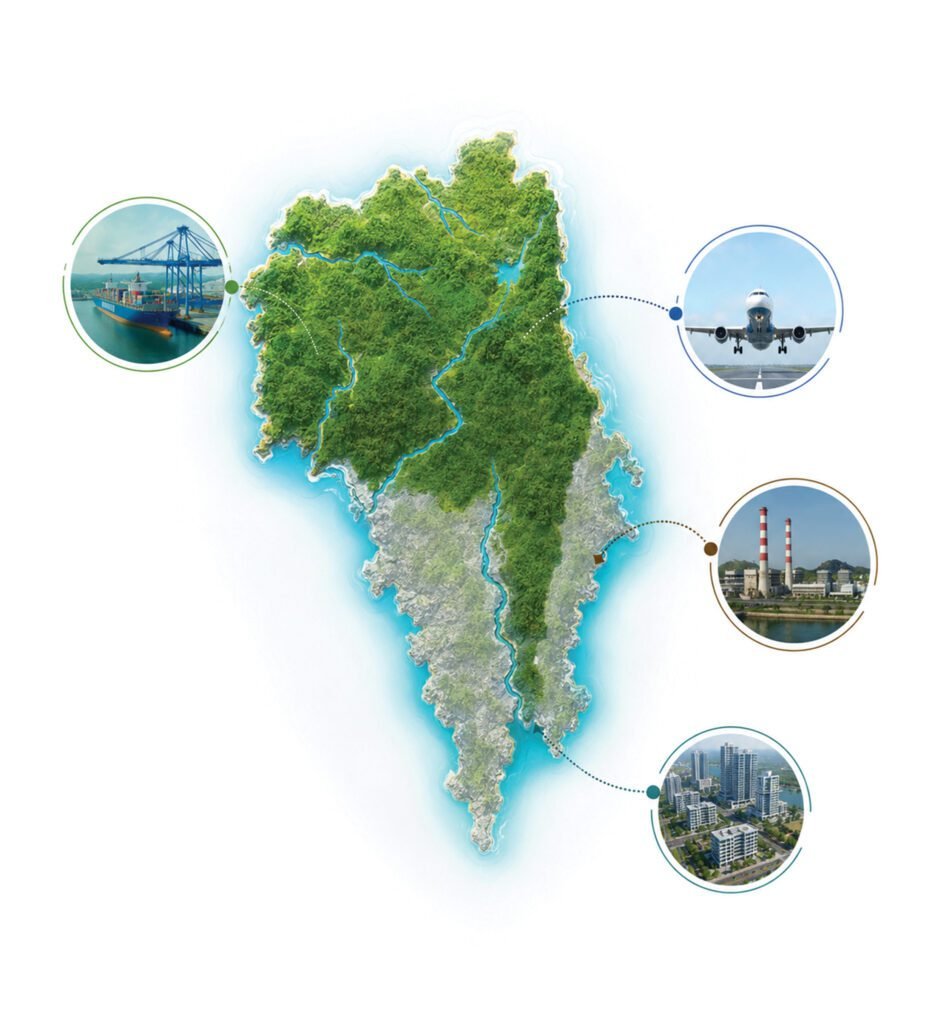
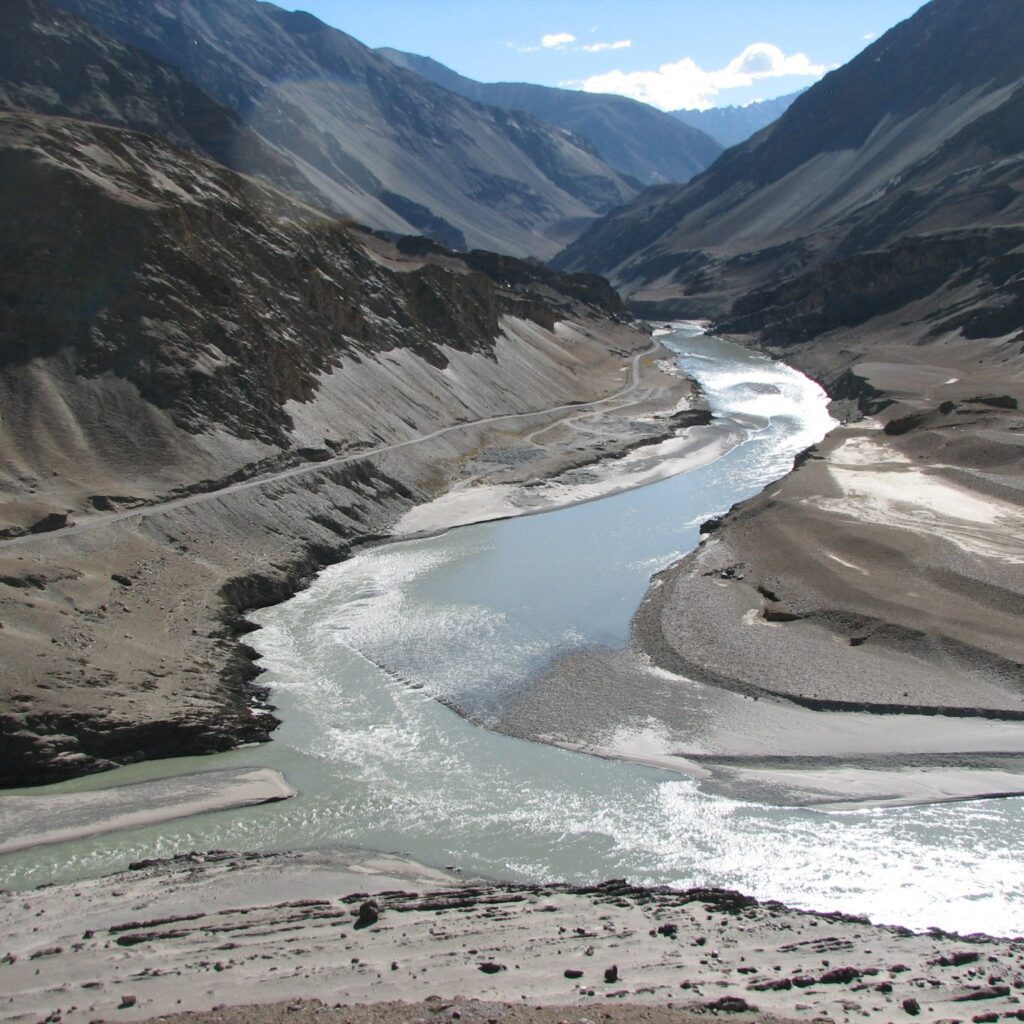
Veteran journalist, filmmaker, and founder of the Brahmaputra Boat Clinics, Sanjoy Hazarika traces the 2,900-kilometre course of one of the world’s mightiest rivers—from its source in Tibet through Arunachal Pradesh and Assam to the Bay of Bengal. Part travelogue, part reportage, and part historical reflection, the book draws on over two decades of fieldwork to illuminate the river’s geopolitical significance, China’s dam-building ambitions, climate pressures, the migration debates in Assam, and the diverse communities whose lives the Brahmaputra shapes and sometimes destroys. Deeply personal, richly observed.
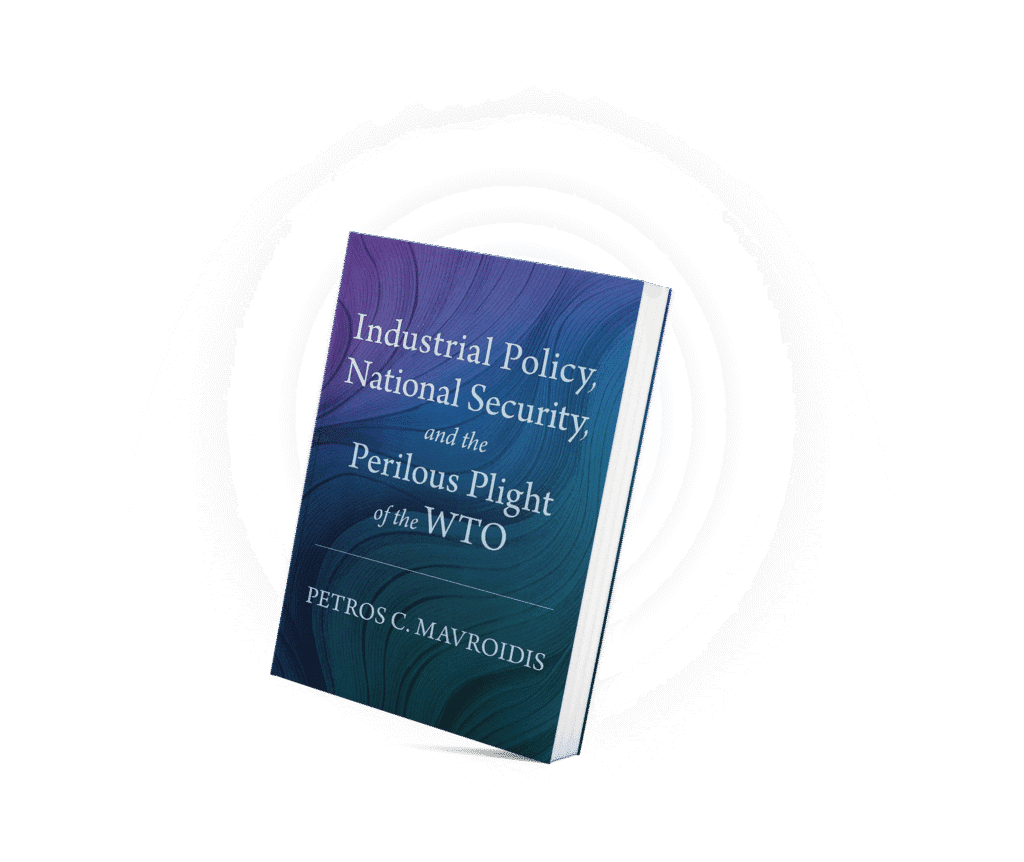
Industrial Policy, National Security, and the Perilous Plight of the WTO
By: Petros C. Mavroidis
Published: December 2024
As governments from Washington to New Delhi invoke national security to justify sweeping industrial policies—from semiconductor subsidies to tariff walls—the rules-based multilateral trading system faces its gravest stress test. Columbia Law School professor Petros Mavroidis, a former WTO legal affairs official and long-standing adviser to the organisation, provides the definitive scholarly account of how we arrived here. Tracing the WTO’s architecture back to the 1947 GATT, he uses the semiconductor industry as a lens to examine how the rise of global value chains, the national security exception, and the entanglement of trade with geopolitics are stretching the system to breaking point. Required reading for those tracking how India calibrates its own industrial ambitions against WTO commitments.
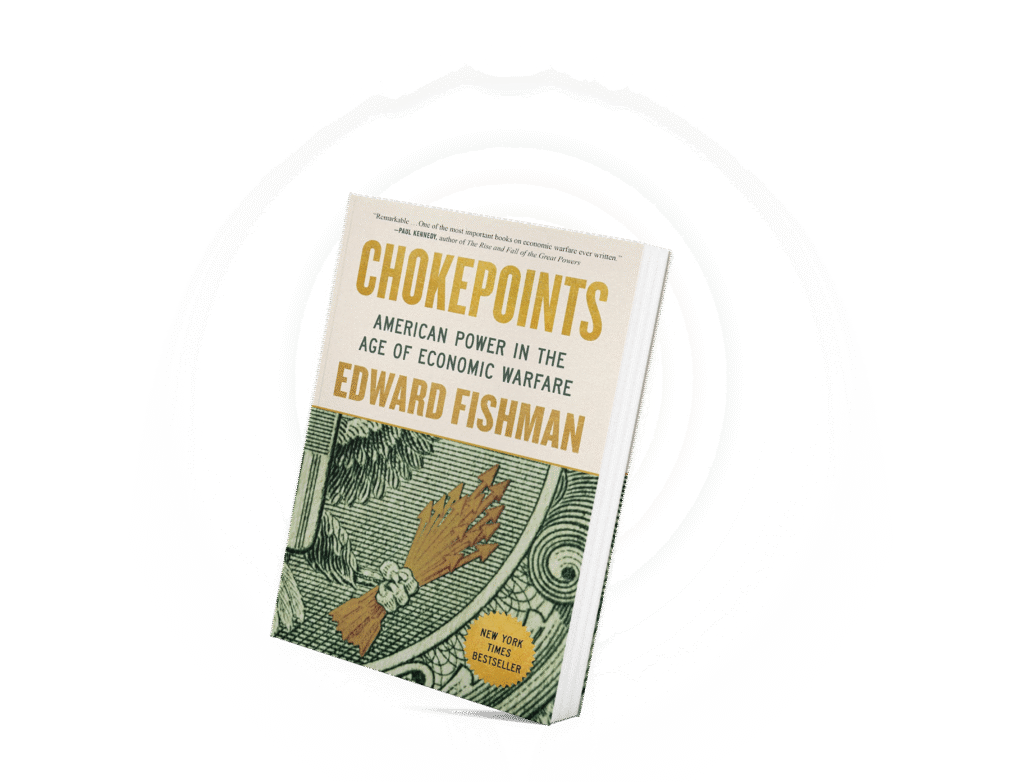
Chokepoints: American Power in the Age of Economic Warfare
By: Edward Fishman
Published: February 2025
As sanctions, export controls, and technology restrictions increasingly replace conventional military tools, economic power has become a primary instrument of geopolitical competition. Drawing on his experience at the U.S. State Department, Edward Fishman traces how Washington transformed global finance, semiconductor supply chains, and the dollar-based financial system into strategic weapons against rivals such as China, Russia, and Iran. Blending diplomatic history with policy analysis, Chokepoints explains the rise of economic warfare and the growing fragmentation of globalisation itself. Essential reading for understanding the geoeconomic foundations of the emerging world order and the strategic dilemmas facing countries like India as they navigate an era of competing technological and financial blocs.