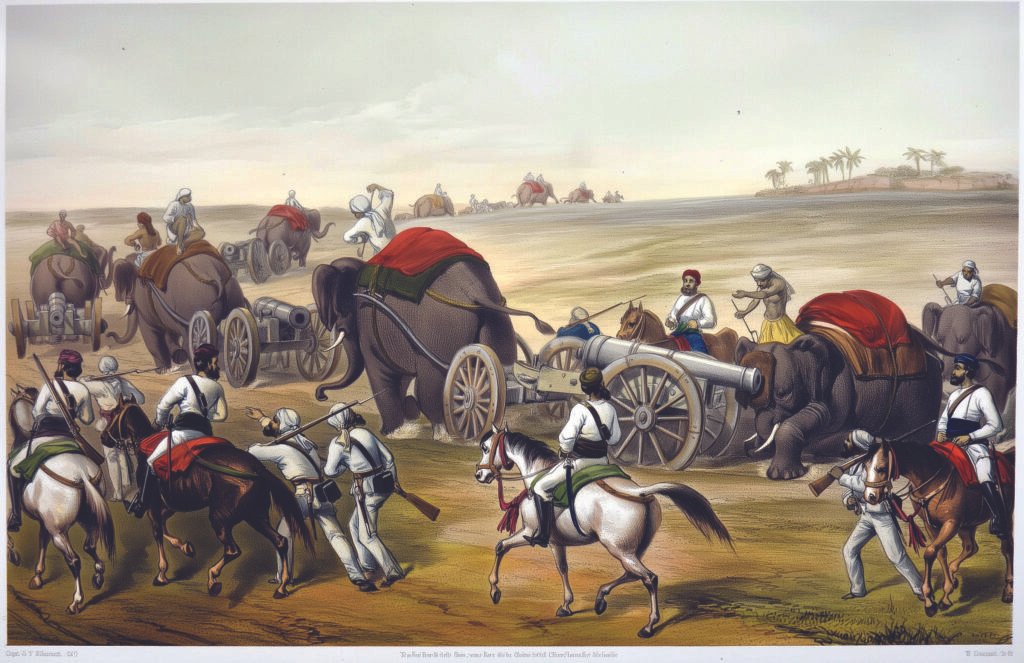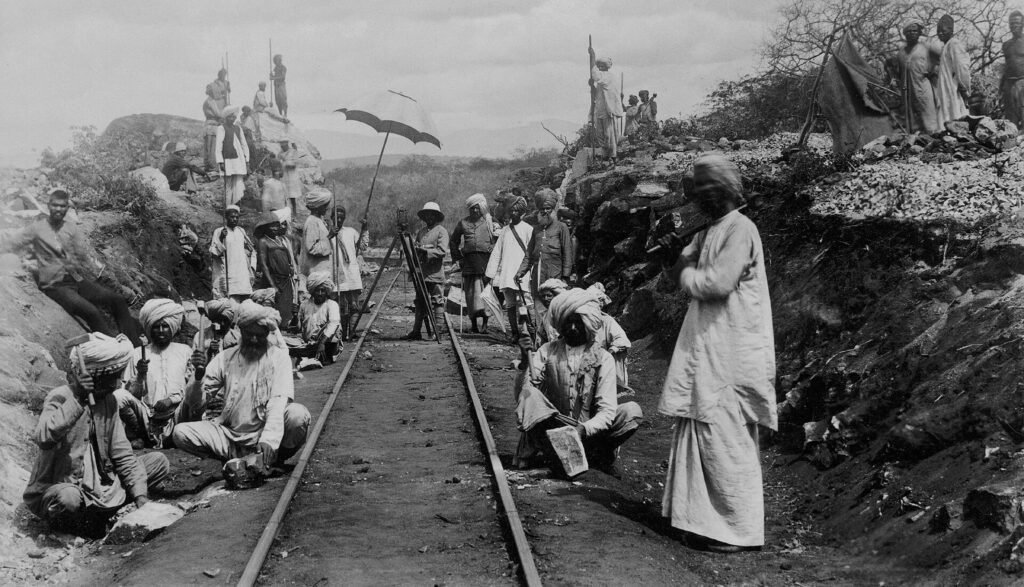
In the early twentieth century, a strange proposal circulated through imperial corridors: India, itself a colony, deserved a colony of its own in East Africa. Behind this unsettling demand lay an even stranger belief: the ability to rule supposedly “inferior” peoples was proof of political maturity and civilisational advancement.
In 1912, Alibhai Mulla Jeevanjee, a Karachi-born prosperous Indian trader with a business empire in East Africa, appealed for the “annexation” of British East Africa for the Indian Empire. This proposal for an Indian colony in East Africa flickered for a while in the 1910s. It was endorsed by arguably the most significant Indian Congress leader of the pre-Gandhian era, Gopal Krishna Gokhale, in his “final testament”, and formalised through the pleas of a British official, Theodore Morison, and the Indian Ismaili leader, Aga Khan.
In these pages, I revisit this strange demand by a colony for a colony, for it had an even stranger justification. Colonisation was seen as a pathway to independence: only by successfully colonising and governing those deemed inferior in civilisation could Indians prove to the British their own capacity for self-governance.





1-1024x768.jpg)