UAE Quits OPEC and OPEC+
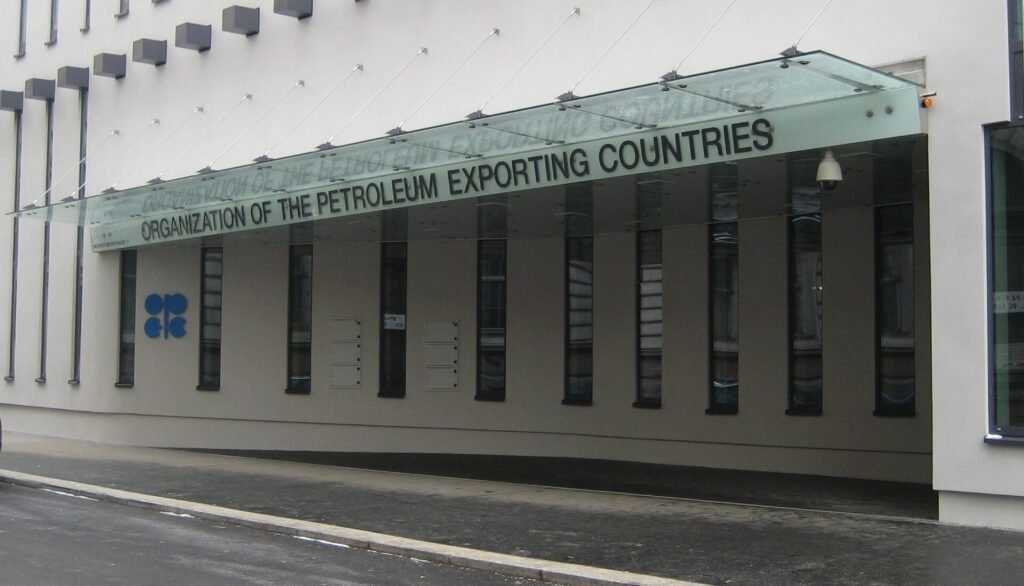
The Development: On 28 April 2026, the United Arab Emirates announced its decision to exit OPEC and OPEC+ with effect from 1 May, ending a membership that began in 1967. The UAE was the cartel’s third-largest producer in February behind Saudi Arabia and Iraq. The exit followed weeks of Iranian missile and drone attacks on the UAE during the ongoing US-Israel war on Iran, and Iranian disruption in the Strait of Hormuz that has severely constrained UAE oil exports. Energy Minister Suhail Al Mazrouei said the timing was chosen to minimise market impact and that the decision followed a comprehensive review of production policy and capacity.
The Take: The UAE’s exit reflects a push for strategic autonomy rather than a narrow oil-policy dispute. Freed from OPEC quotas, Abu Dhabi gains greater control over production and energy diplomacy, while OPEC loses one of its largest producers and some of its market influence. For India and other importers, the shift may improve supply flexibility but could weaken long-term stability in global oil markets.
ASEAN Adopts Crisis Plan
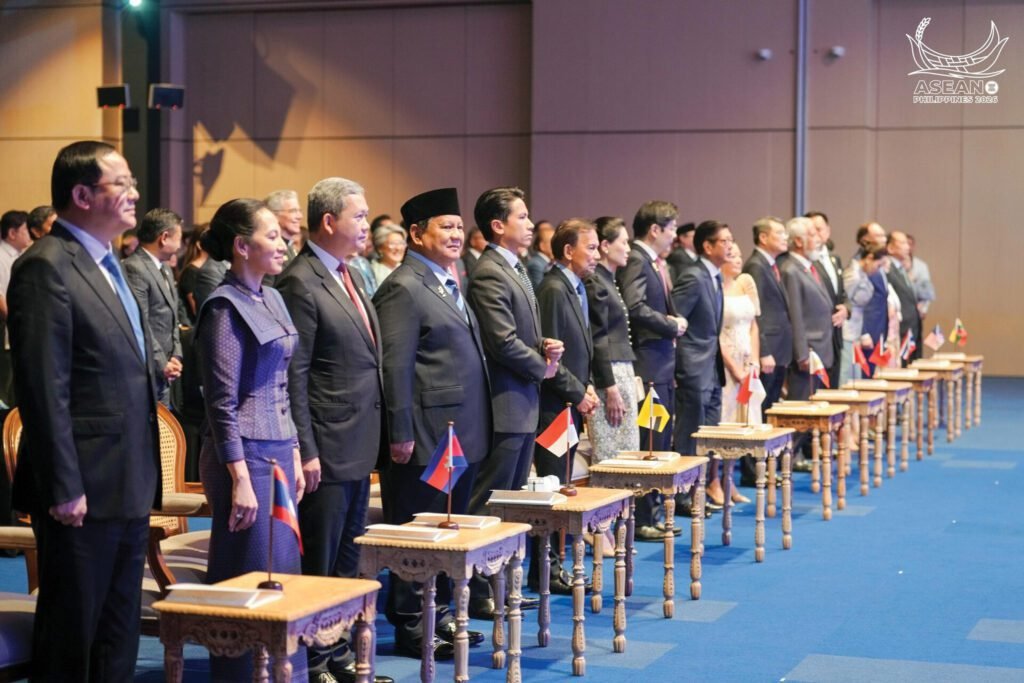
The Development: At the 48th ASEAN Summit in Cebu on 8 May 2026, Southeast Asian leaders adopted a contingency plan to soften the economic impact of the US-Israel war on Iran. The plan calls for ratification of a long-stalled regional fuel-sharing pact first signed in 2009, planning of a regional power grid and fuel stockpile, diversification of crude sources, and a study of new technologies, including civilian nuclear power. The Philippines, which imports 98% of its oil from the Gulf and has declared its first-ever national energy emergency, hosted the summit and stripped it of the usual ceremony. President Marcos warned that “a few weeks’ worth of disruptions will take years to be corrected.”
The Take: The real significance of the summit is not the plan itself but ASEAN’s recognition that energy security has become a strategic vulnerability. The Iran war has accelerated efforts to ratify the long-delayed ASEAN Petroleum Security Agreement and revive discussions on regional energy connectivity. Yet the gap between ambition and implementation remains wide. ASEAN’s challenge is no longer identifying solutions, but translating decades of proposals into functioning regional mechanisms.
Japan Deploys Combat Troops to the Philippines
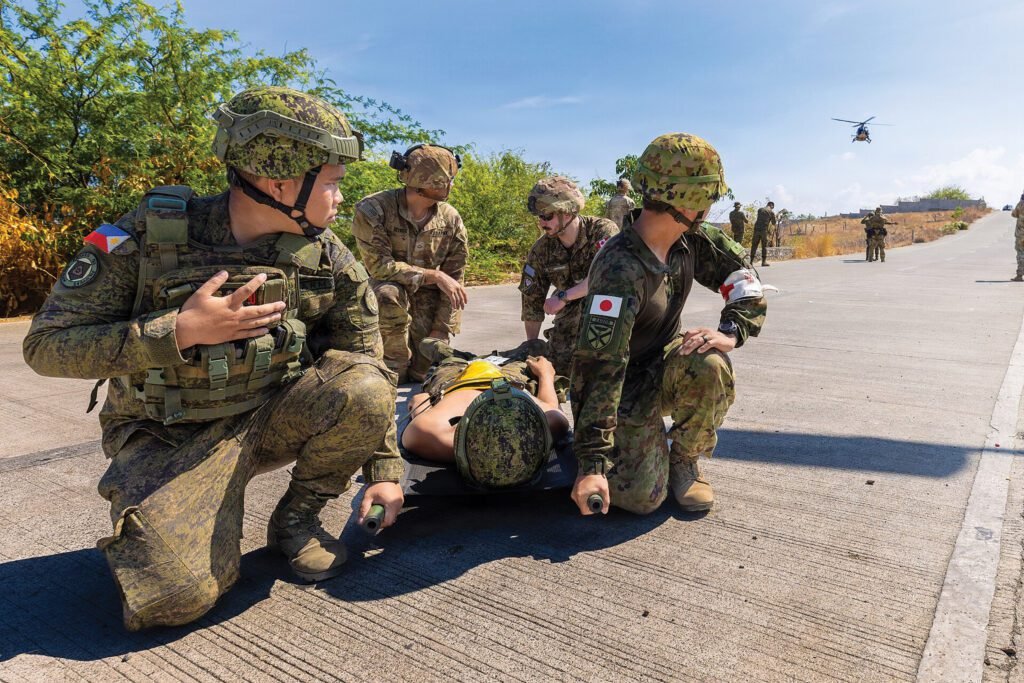
The Development: Japan sent around 1,400 ground troops to Exercise Balikatan 2026 in the Philippines, the first time Japanese combat troops have landed there since 1945. On 6 May, the Japan Ground Self-Defense Force fired two Type-88 anti-ship missiles from Culili Point in Luzon, sinking a decommissioned Philippine Navy vessel about 75 km offshore. It was Japan’s first overseas firing of an offensive missile in eight decades. Over 17,000 troops from seven nations, including the US, Australia, Canada, France, and New Zealand, took part. Drills focused on the rapid insertion of HIMARS and anti-ship missile systems onto remote islands by C-130 and landing craft.
The Take: Balikatan 2026 marked the operational debut of the Japan-Philippines Reciprocal Access Agreement and highlighted Japan’s expanding security role in the Indo-Pacific. By deploying troops and firing anti-ship missiles from northern Luzon, Tokyo demonstrated its willingness to contribute directly to regional deterrence. The exercise underscored the strategic importance of the First Island Chain and the growing security alignment between Japan, the Philippines, and the United States amid rising tensions over Taiwan and the South China Sea. China condemned the drills as evidence of “militarisation”, but for many regional states the exercise reflected a rapidly changing security landscape in which strategic neutrality is becoming increasingly difficult to sustain.
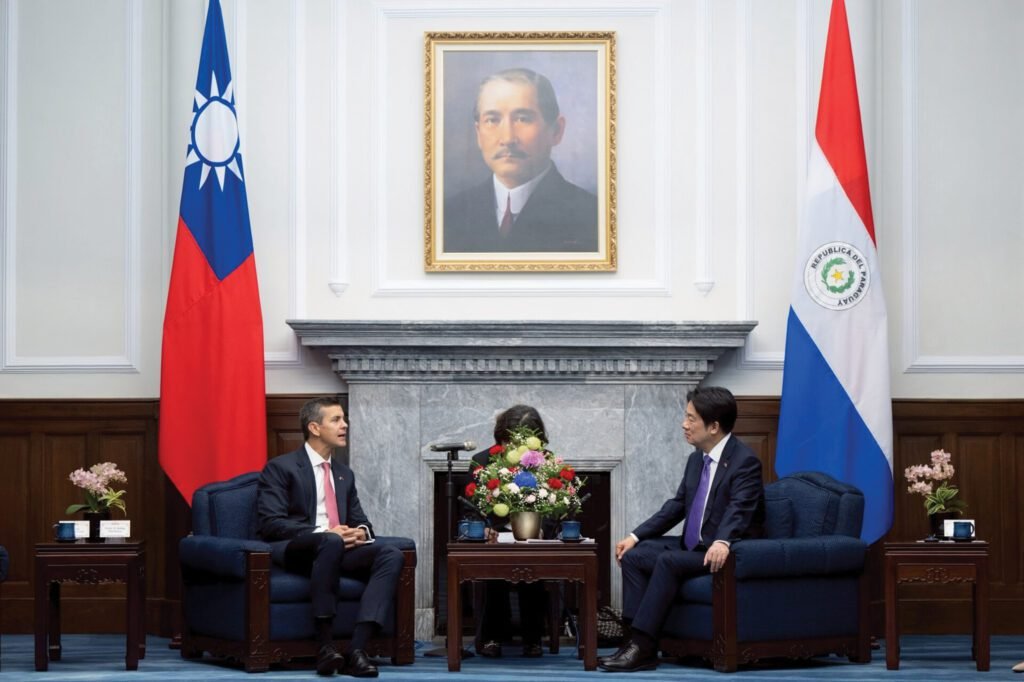
Paraguay Reaffirms Taiwan Ties
The Development: Paraguayan President Santiago Peña paid a four-day state visit to Taiwan from 7–10 May 2026, reaffirming diplomatic ties between the two sides. Taiwan’s President Lai Ching-te awarded Peña Taiwan’s highest civilian honour, while the two governments signed agreements on legal cooperation, cybersecurity, and AI infrastructure. Paraguay remains the only South American country that formally recognises Taiwan despite sustained Chinese efforts to persuade it to switch diplomatic recognition.
The Take: Paraguay’s support for Taiwan reflects both strategic calculation and domestic politics. While closer ties with China could offer economic benefits, the Taiwan relationship provides Asunción with diplomatic visibility and strong ties with Washington. As China’s influence expands across Latin America, Paraguay remains a key test of whether smaller states can sustain recognition of Taipei despite growing economic incentives to switch.
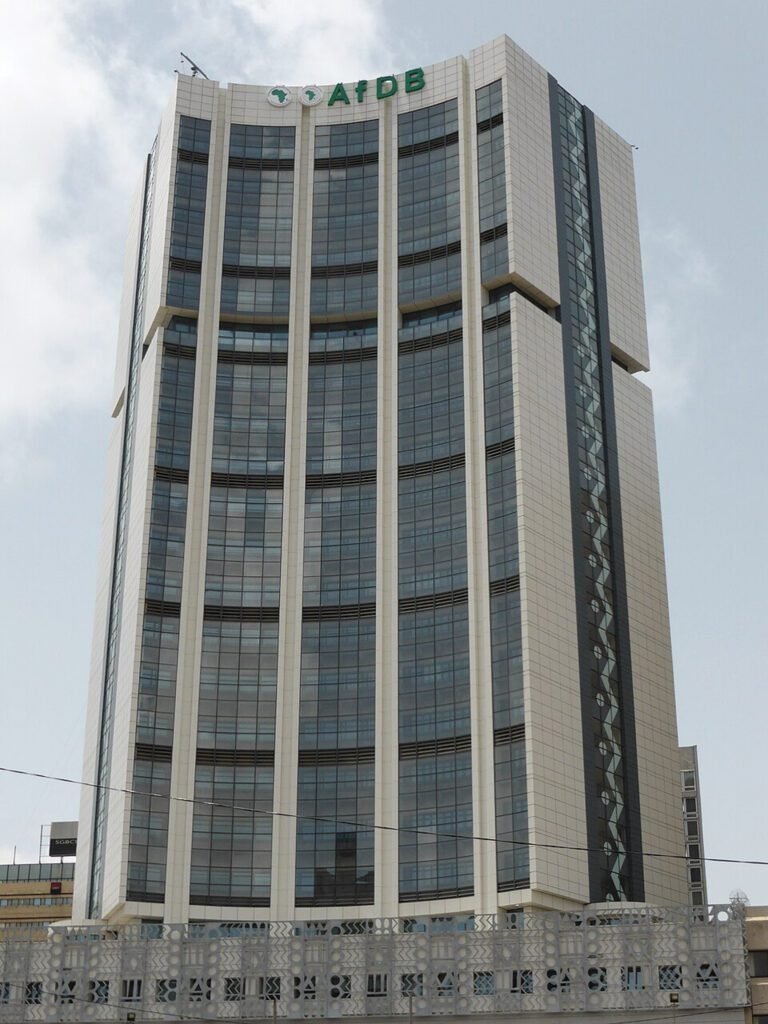
New Financing Architecture for AfDB
The Development: The African Development Bank’s annual meeting, underway in Brazzaville from 25–29 May, has focused on proposals to mobilise Africa’s own financial resources for development. Central to the discussions is the New African Financial Architecture for Development (NAFAD), championed by AfDB President Sidi Ould Tah. The initiative aims to channel a portion of the continent’s estimated $4 trillion in pension funds, sovereign wealth funds, and other institutional capital towards closing Africa’s roughly $400 billion annual development financing gap.
The Take: NAFAD reflects a growing African push to finance development through domestic capital rather than external aid. As donor funding declines and borrowing costs remain elevated, policymakers are increasingly looking inward for investment resources. The challenge is less about identifying capital than creating the regulatory frameworks and investor confidence needed to deploy it effectively. For the wider Global South, the Brazzaville meetings highlight a broader search for financial autonomy in an increasingly fragmented global economy.