As the war drags on, attention has largely remained fixed on its unfolding destruction and strategic calculations. Little has been said about the cultural foundations of Iranian resilience. This essay turns to that deeper spirit, one that predates Shi‘i tradition, to trace how epic and poetic memory shape responses to conflict.
On 28 February 2026, the United States and Israel carried out a strike on the office of Iran’s Supreme Leader, Seyyed Ali Khamenei, killing him and several high-ranking officials. The attack targeted not only the Supreme Leader’s office but the entire compound and much of the surrounding neighbourhood, killing many members of his family, including his daughter and granddaughter. The use of precision weapons in this case was not concomitant with surgical targeting; rather, the precision was concomitant with large-scale and indiscriminate destruction.
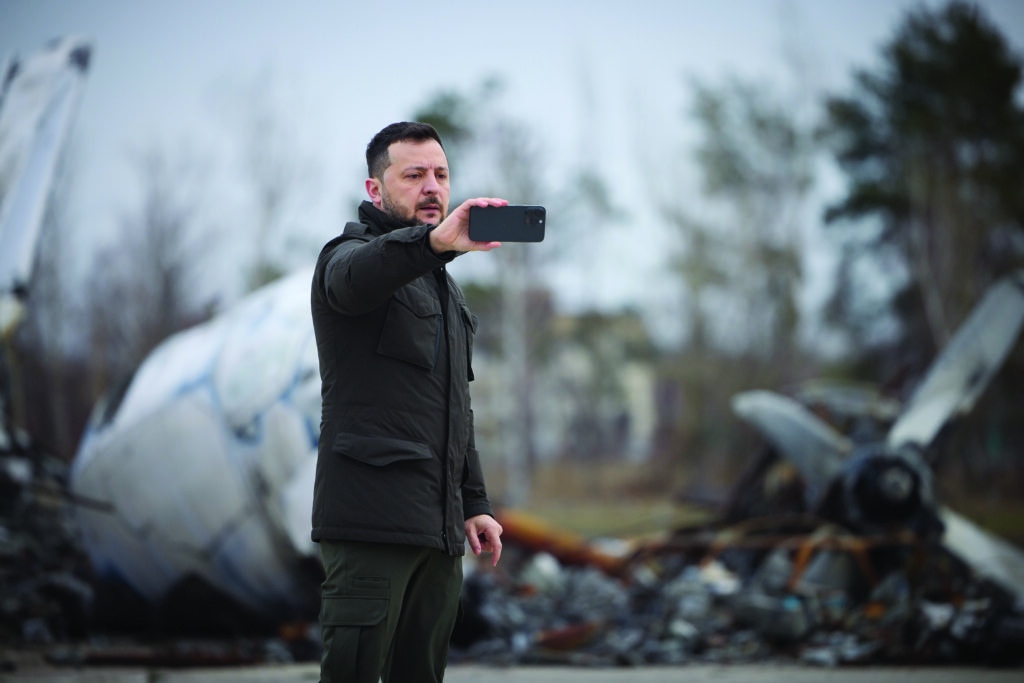
On the same day, another precision strike destroyed a girls’ school in Minab on the other side of the country, massacring over 175 students and teachers, with most of the schoolgirls between the ages of 7 and 12. Since then, the US-Israeli war on Iran has seen the destruction of many schools, hospitals, heritage sites, residential buildings, and other civilian structures.