Afghanistan’s decades of conflict have produced one of the world’s largest displaced populations, forcing millions to live in conditions marked by poverty, uncertainty, and limited opportunities. Behind the headlines of war and political upheaval are ordinary families struggling to build meaningful lives amid instability. For many Afghan refugees and internally displaced people, aspirations for love, work, and security often collide with harsh economic realities.
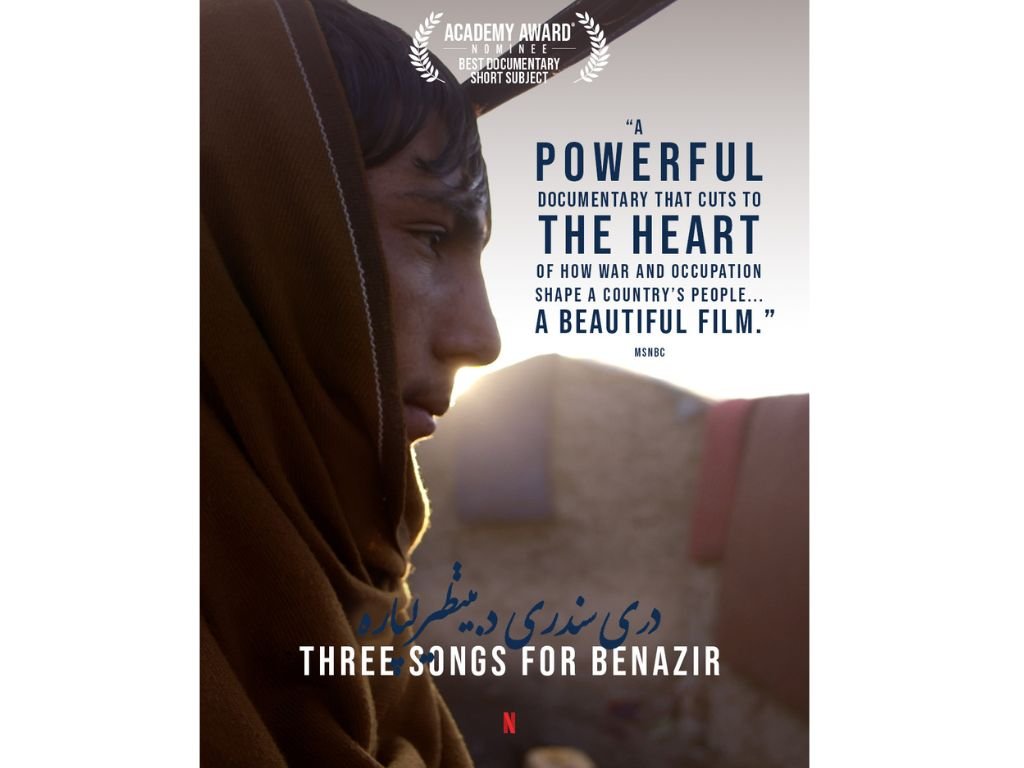
Directed by Gulistan Mirzaei and Elizabeth Mirzaei, Three Songs for Benazir is a 23-minute documentary that follows Shaista, a young man living in a refugee settlement on the outskirts of Kabul. The film centres on his relationship with his wife, Benazir, while chronicling his efforts to create a better future for his family. Named after the folk songs Shaista sings for his wife, the documentary reveals how tenderness and affection persist even in the most difficult circumstances. Through intimate observational filmmaking, it captures subtle emotional moments: Shaista making bricks for a living, contemplating enlistment in the Afghan National Army, sharing quiet moments with his family, and confronting the pressures of poverty. Without relying on extensive dialogue or narration, the film allows gestures, expressions, and silences to communicate the emotional weight of its story.
Nominated for the Academy Award for Best Documentary Short Subject, Three Songs for Benazir stands out for its ability to humanise a crisis often discussed only in geopolitical terms. Rather than focusing on conflict itself, the film explores how displacement shapes personal relationships and everyday aspirations. Its emotional power comes from its restraint, offering neither sentimentality nor false hope. The result is a moving portrait of love, resilience, and uncertainty in contemporary Afghanistan. It is a must-watch for anyone seeking a deeper understanding of the human consequences of displacement and the enduring desire for dignity amid hardship.