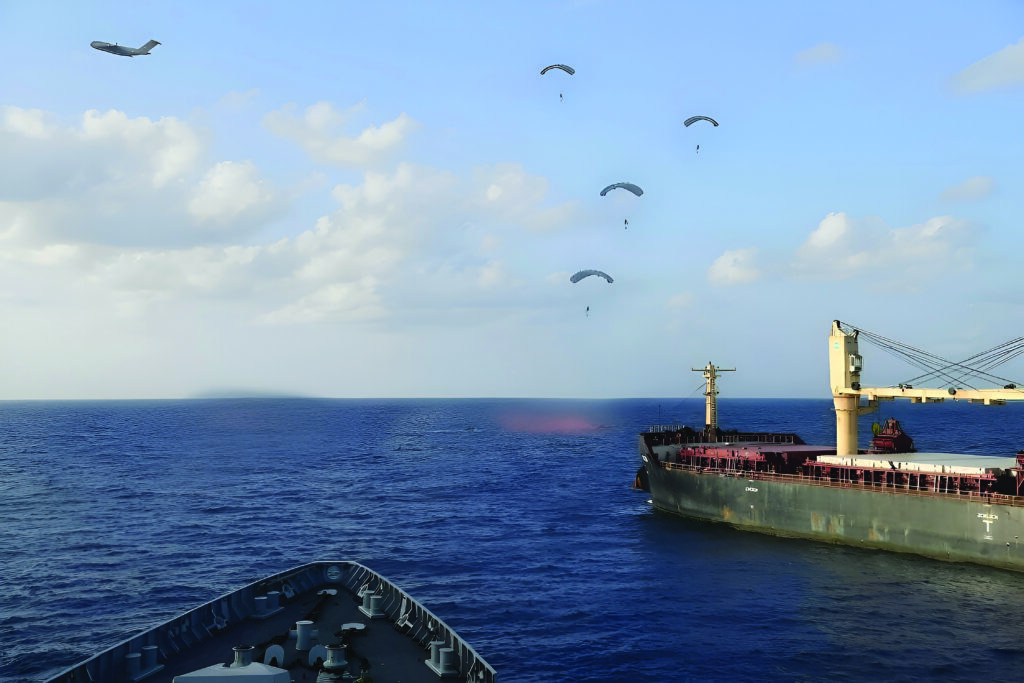

In his report, “India’s Maritime Security Strategy and Its Significance for the Arabian Gulf States”, Dr Ashraf Mohammed Keshk, director of the Strategic and International Studies Program at the Bahrain Center for Strategic, International and Energy Studies (Derasat), examines India’s maritime security strategy and the prospects for cooperation with the Gulf Cooperation Council (GCC) countries. He begins with the history of trade across the Indian Ocean, when Arab, Persian, Indian, Chinese, and African merchants used its ports to connect their markets. His argument is that India and the Gulf states have foundations for cooperation at sea, but these alone are not enough to produce agreement on regional security.
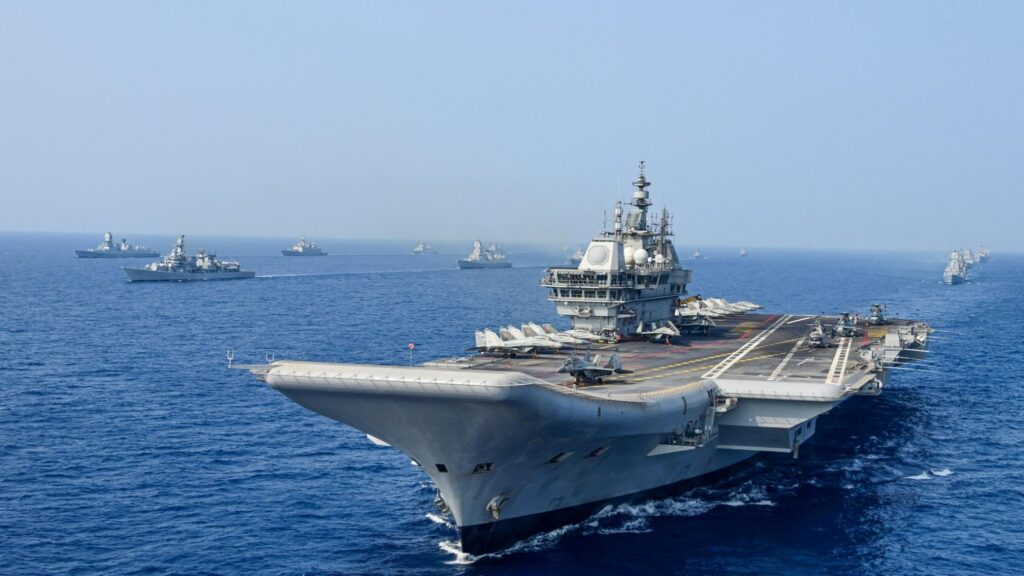
India’s 2015 maritime strategy includes the protection of trade and energy supplies among its interests. Keshk draws particular attention to three shipping chokepoints: the Strait of Hormuz, Bab al-Mandab, and the Suez Canal. Disruption at any of these can affect India’s access to energy and markets. The strategy also reflects growing competition in the Indian Ocean, particularly given China’s expanding presence and the United States’ efforts to build partnerships in Asia. India’s response has included more naval deployments and a greater role in regional operations. During the 2015 Yemen conflict, six Indian warships helped evacuate 4,000 Indian nationals and 1,200 foreign nationals. Keshk also cites Prime Minister Narendra Modi’s March 2015 statement that India aspires to a future for the Indian Ocean that aligns with the name Sagar (Ocean) by fostering a climate of trust, transparency, adherence to maritime navigation rules, peaceful dispute resolution, and increased cooperation in navigation.
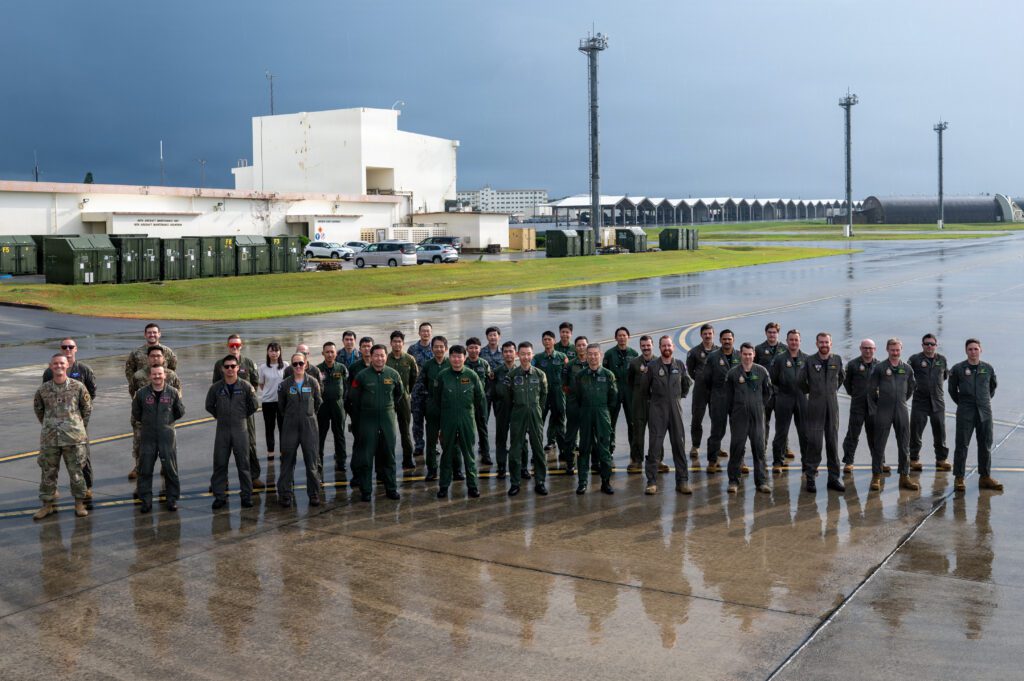
There is already a record of naval cooperation between India and the GCC. Between 2013 and 2025, Indian naval vessels made 48 visits to the six member states. India signed maritime security arrangements with Saudi Arabia, the United Arab Emirates (UAE), Bahrain, and Qatar, while a 2018 logistical agreement gave the Indian Navy access to Oman’s Duqm Port. Joint exercises and training have added to these ties. India also became a full member of the Bahrain-headquartered Combined Maritime Forces in 2023 and, according to the paper, assumed command of Combined Task Force 154 in February 2026. Yet these activities have not produced a common regional approach to maritime security. Organisations such as the Indian Ocean Rim Association and the Indian Ocean Naval Symposium provide opportunities for cooperation, but the Association’s members have different priorities.
Keshk also considers the proposed India-Middle East-Europe Economic Corridor (IMEC). Ports such as Jebel Ali, Sohar, Jeddah, Hamad, and Khalifa bin Salman are important to Gulf trade, while Fujairah, Yanbu, and Salalah offer routes with particular relevance when shipping through Hormuz is disrupted. The paper puts India-GCC trade at $184 billion in 2022-23. But the corridor faces serious obstacles. Its proposed route still exposes trade to threats around the Strait of Hormuz, and China already has extensive economic links with Gulf states. Keshk also questions projections that IMEC will cut transit time by 40% and transport costs by 30%. Such gains depend on financing, demand for Indian goods, and agreement among participating countries. Conflict along the proposed route presents another risk.
The deeper problem is that India and the Gulf states do not assess every maritime threat in the same way. India’s growing naval role is partly shaped by competition with China. For GCC countries, the threat posed by Iran and the security of the Arabian Gulf are immediate concerns. They also maintain close security ties with Western powers and have reasons to preserve their economic relations with both India and China. Piracy, maritime terrorism, and human trafficking offer grounds for practical cooperation, but they do not settle these larger differences.
Keshk proposes a Regional Security Forum for West Asian Countries, with maritime security among its main areas of work. The proposed forum would rest on respect for sovereignty and borders, non-interference in domestic affairs, and mutual benefit. He is clear about the limits of relying on existing ties alone. As he writes in his conclusion, “While there are historical, cultural, and mutual-interest-based foundations for cooperation between India and GCC countries in the Indian Ocean region, these alone are insufficient given the region’s complex dynamics”.
For India, the issue extends beyond protecting ships or securing oil supplies. Keshk lists the roughly 9 million Indian workers in GCC countries among the shared strategic interests on which the proposed forum could be built. They generate around 65% of remittance flows to India, estimated at approximately $89 billion. His conclusions add that regional cooperation does not exclude the interests of major powers in the Indian Ocean, so the region’s countries need to agree on how to manage those interests.